
NFL admits a mistake against the Packers during Lions game, but the acknowledgment arrives too late for it to actually matter
Detroit Lions safety Brian Branch was fined for his hit on tight end Tucker Kraft, a play that never drew a flag during the game.


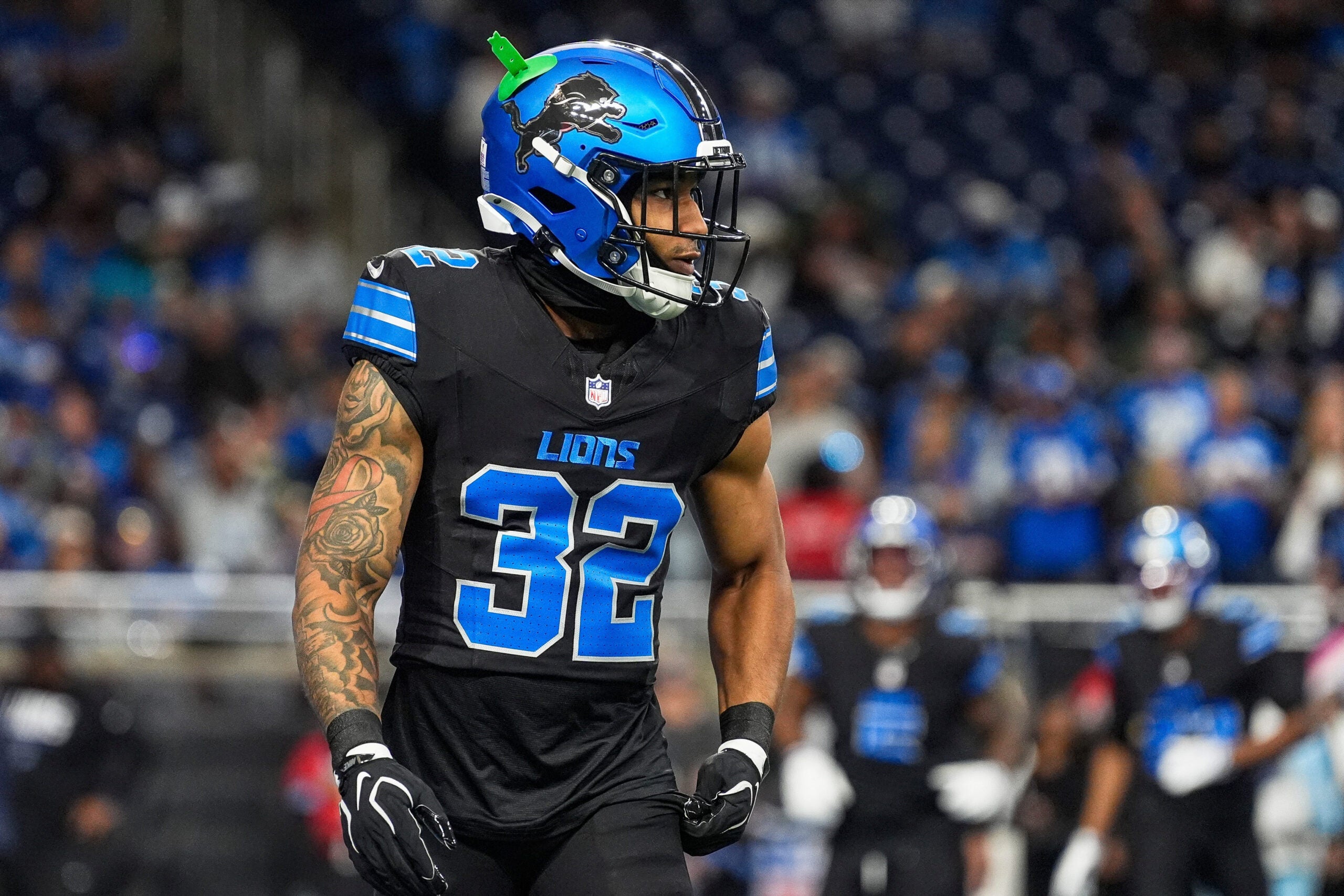
The NFL confirmed an officiating mistake against the Green Bay Packers’ in their Week 7 loss to the Detroit Lions, but the confirmation came too late to matter. The league fined Lions safety Brian Branch $23,882 for his head-to-head contact on Packers tight end Tucker Kraft. The hit didn’t draw a flag during Detroit’s 20-17 win.
The fine acknowledges the play was illegal. It does nothing to change the result, and that is part of a larger problem with how the NFL handles officiating.
A penalty that never came
The hit on Kraft should have been a penalty on the field. Instead, the officials kept their flags in their pockets, and Green Bay moved on without the 15 yards the play should have given its offense. Instead of creating a viable review system, the NFL prefers to financially punish players afterwards.
Kraft was well after the hit, which is the best news for the Packers. Still, a head-to-head shot like that could have knocked one of Green Bay’s most important offensive pieces out of the game. It wasn’t necessarily a surprise to see the league step in later, because Branch has some history with this type of play.
Lions’ Derrick Barnes (unnecessary roughness) and Packers’ Brandon Cisse (taunting) also received fines. No Packers player was fined for the roughing the passer calls.
Fines without consequences
Every week, the league reviews the tape, and about a week after each game, it drops the hammer on players. The logic behind that process is hard to follow. Sometimes, plays that drew a penalty on the field don’t generate fines. At the same time, plays that weren’t called on the field end up producing fines.
The Branch hit falls into the second group. On one hand, the NFL wants accountability from players and shows it by reviewing plays after the fact. On the other hand, every fine for a non-call is an admission that the officiating crew missed something. Those misses affect the outcome of games.
In a close three-point divisional game, a 15-yard penalty can extend a drive, and one drive can decide the final score. The Lions’ win over the Packers is a clear example of that.
No public accountability for officials
Players face consequences for their mistakes. Officials, for the most part, don’t. At least not publicly.
The main window into how referees view their own decisions is the pool report, when one reporter gets to ask the crew questions after a game. The answers are usually standard explanations of the thought process behind a call, and they rarely acknowledge an error. As a result, a fine on the opposing player is the closest thing to an admission the Packers will get.
The league is willing to say, through its discipline, that a play was illegal. But the people responsible for calling it in real time don’t face the same scrutiny, and the team that got hurt by the non-call has no recourse.
