
Top 25 College Football Scandals of All-Time: Listing and discussing the darkest moments in the sport’s history
College football is a great sport, but have been plenty of scandals attached to it over the years. Which ones stand out the most?


College football is easily one of the best sports on the planet, but there have been plenty of scandals over the years that have rocked the sport.
It’s not like it’s anything new with all the NIL changes and whatnot, either. Some of the biggest scandals of all-tie range over decades to the point where people of all ages have witnessed some of the sport’s most infamous moments.
Therefore, we thought it would be a good idea to dive in and not only list the top college football scandals of all-time, but dive in and discuss what went down in those instances.
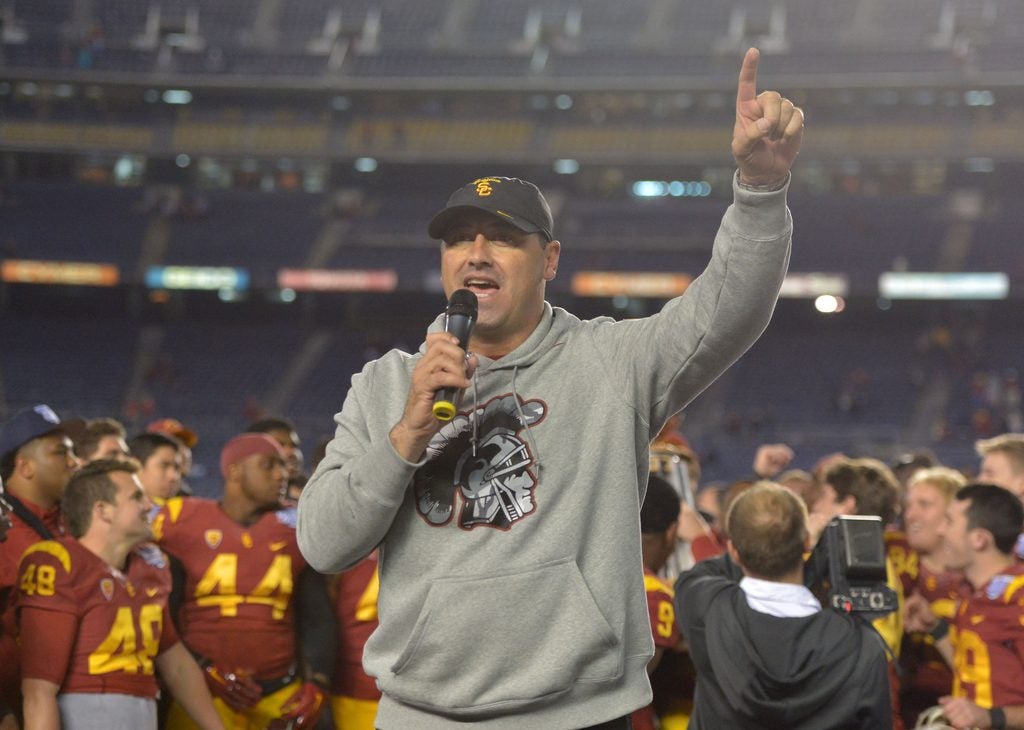
25. Steve Sarkisian’s alcohol-related USC firing sparked a legal battle years before his coaching comeback at Texas
Texas coach Steve Sarkisian runs one of the biggest programs in college football. He has taken the Longhorns to the College Football Playoff. Ten years ago, though, his USC tenure ended with an alcohol-related firing in the middle of the season, a lawsuit against the university, and a binding arbitration that didn’t wrap up until 2018.
The whole saga ran from August through October 2015, with the legal battle stretching years beyond that. It is one of the stranger chapters in a USC football history already full of them.
How Steve Sarkisian’s second season at USC unraveled
Sarkisian arrived at USC to replace Lane Kiffin. Kiffin couldn’t get the program past the Reggie Bush sanctions, and the Trojans famously let him go on the airport tarmac. Sark was supposed to be the steadying hire.
His second season started under scrutiny before a game was even played.
At USC’s Salute to Troy booster event on Aug. 22, 2015, Sarkisian slurred his words and used inappropriate language. He publicly apologized the next day.
That should have been the end of it. It wasn’t.
Further concerns about his condition during football activities followed. On Oct. 11, athletic director Pat Haden placed Sarkisian on indefinite leave. The next day, USC fired him.
Reports have circulated that he was impaired during specific games. Those claims were never established as fact, and I’m not going to treat them like they were.
The speed of it is what still gets me. A big-time, prominent head coach goes from a public apology to indefinite leave weeks later, and then he is gone the very next day. In the middle of the season. Clay Helton took over as the interim head coach.
Sarkisian’s lawsuit and the arbitration ruling
In December 2015, Sarkisian sued USC, alleging disability discrimination and breach of contract.
His argument was that the university should have accommodated his alcoholism and allowed him to seek treatment instead of firing him. USC disputed that account.
The case went to binding arbitration, and the outcome became public in July 2018. The arbiter ruled for USC on all claims and awarded Sarkisian no further compensation.
No NCAA sanctions came out of this one, which separates it from the Bush fallout that set the whole thing in motion. Still, this was a deeply personal crisis for Sarkisian that played out in about as public a professional setting as you can find.
USC paid a price, but Sarkisian paid a bigger one
For USC, this was another round of leadership upheaval in a short window. Follow the chain:
- Pete Carroll leaves
- The Bush sanctions arrive
- Kiffin isn’t good enough and gets dismissed on the airport tarmac
- The Trojans hire Sarkisian
- Sark is fired early in his second season
That’s a lot of instability for a program that expects to compete for national titles every year. It took a toll.
The biggest loser, in my opinion, is obviously Sarkisian himself.
He bounced back in a big way. Sarkisian won the Broyles Award in 2020 as the nation’s top assistant coach while serving as Alabama’s offensive coordinator. Texas named him its head coach in January 2021, and he has turned the Longhorns into a playoff program.
He turned his life around and built a very successful career in one of the sport’s highest-profile jobs. Unfortunately, the alcoholism jokes and low blows from opposing fans never seem to go away. Every rivalry week, every bad loss, somebody digs up 2015 again.
That part of the story doesn’t get an arbitration ruling. Sarkisian just has to keep winning through it. – Austin Stanley
24. Florida State’s iconic “Free Shoes U” moniker still sticking decades after the 1993 Seminoles scandal
Few coaches in college football history have had a way with words like former Florida Gators coach Steve Spurrier. During his run as the head ball coach in Gainesville, Florida, Spurrier rarely missed a chance to needle an opponent. Plenty of his one-liners still get passed around SEC circles today.
His most famous and deepest-cutting jab was aimed squarely at the in-state rival Florida State Seminoles. For a coach who made a habit of getting under opponents’ skin, that’s saying something.
Spurrier’s “Free Shoes U” crack in 1994 hit the nail on the head. It summed up the scandal FSU found itself in because of transgressions during the fall of 1993.
How Florida State’s 1993 national title season turned into ‘Free Shoes U’
The 1993 Seminoles won the national championship, but it didn’t take long for the program to find itself embroiled in controversy.
A few months after Florida State claimed the national title, Sports Illustrated released a report noting that a number of Seminoles players had received approximately $6,000 in merchandise from a Tallahassee Foot Locker.
The report prompted an internal investigation by the university, which retained an independent law firm to look into the matter. According to the firm’s findings, a number of players were involved, including star linebacker Derrick Brooks, backup tailback Tiger McMillon, and offensive linemen Patrick McNeil, Marcus Long, and Forrest Conoly. FSU ultimately suspended all five for two to four games at the start of the 1994 season.
Why Spurrier’s jab has stuck with the Seminoles for decades
To be fair, this won’t go down as the most egregious example of selfishness or corruption in the annals of college football. The dollar amount alone keeps it well down that list.
Still, it caused particular embarrassment for the university. The story didn’t come out quietly. It broke through the news media, which put the program’s business in front of the entire country.
Then one of the most hated coaches in Florida State history turned it into a punchline. Spurrier was never going to let an opening like that pass, and he didn’t.
“Free Shoes U” became the kind of ribbing that sticks. It has followed the program for decades. Even now, mention the scandal to a fan on either side of the rivalry and the nickname is usually the first thing that comes up.
Looking back on it now, the whole episode feels almost quaint. In the NIL era, a transgression like this one looks like a de minimis violation. A drop in the bucket. Players around the country now earn far more than a few thousand dollars in shoes and gear in a system that has the appearance of pay for play, and nobody bats an eye.
But context matters. Based on the place and time, this was a black eye for a program fresh off a national championship. And it came courtesy of the rival coach Seminoles fans loved to hate.
Regardless of how much wrongdoing those involved were actually guilty of, Spurrier made sure the incident would never quite go away. It’s a nickname that is going to stick with Florida State for a long time. – Craig Smith
23. Miami Hurricanes’ Pell Grant scandal was a dark stain on the program and sent a dynasty crashing down
The Miami Hurricanes put together a run during the 1980s and 1990s that few programs have matched in the annals of college football. From 1983 to 1991, the Hurricanes claimed four national championships while competing for several others across both decades.
The Canes had the swagger, and they had the success on the field to back it up. However, that success came to a crashing halt in the 1990s, when it came to light that an advisor at the university had been fraudulently requesting and obtaining Pell Grants for a number of Miami students. That group included approximately 91 student athletes.
How the Pell Grant scandal unfolded at Miami
The Pell Grants illegally obtained totaled more than $200,000. The advisor, Tony Russell, ultimately pled guilty and was sentenced to three years in federal prison in 1994.
But the fallout for the football program lasted well beyond that.
The NCAA hit the Hurricanes with severe penalties. Miami received three years of probation, a postseason ban for the 1995 season, and 24 scholarship reductions spread over the 1996 and 1997 seasons.
Football wasn’t the only program caught up in it, either. Student-athletes from other sports were involved, and those programs faced sanctions as well, including women’s golf, baseball, and men’s tennis.
The timing stung. Miami was considered a candidate to play in the Orange Bowl following the 1995 season. Upon learning of the sanctions, the school chose not to appeal and accepted them. The Hurricanes finished that season at 8-3, with no bowl game to show for it.
Miami’s downward slide and eventual return to the top
That’s where the slide really hit. The Canes fell well out of the national title picture for a number of seasons.
Miami actually held up reasonably well at first, finishing 9-3 in 1996. The following year, though, the scholarship losses showed. The Hurricanes dropped to 5-6 in 1997, the program’s first losing season since 1979.
For a program that had grown accustomed to playing for championships, that was a stunning fall. Hard to imagine a team with that much talent and that much confidence going from title contender to below .500 in such a short span, but that’s what sanctions of that size can do to a roster. Even Sports Illustrated called for the university to give up football.
Of course, Miami eventually bounced back. The Canes went 11-1 in 2000 and just narrowly missed a shot at the national championship. One year later, they returned all the way to the top of the mountain with a 12-0 finish in 2001, claiming the program’s fifth and most recent national title with a 37-14 thrashing of Nebraska in the Rose Bowl.
A dark chapter, but not the last
The comeback in 2000 and 2001 showed just how much talent was still flowing into Coral Gables in the late 1990s following the scandal. But even so, the Pell Grant scandal remains a dark period in the program’s history. A dynasty that had owned college football for the better part of a decade was suddenly sidelined, shorthanded, and fighting to recover.
And for Miami, unfortunately, it wasn’t the last time the school would find itself embroiled in a controversy borne out of fraud. – Craig Smith
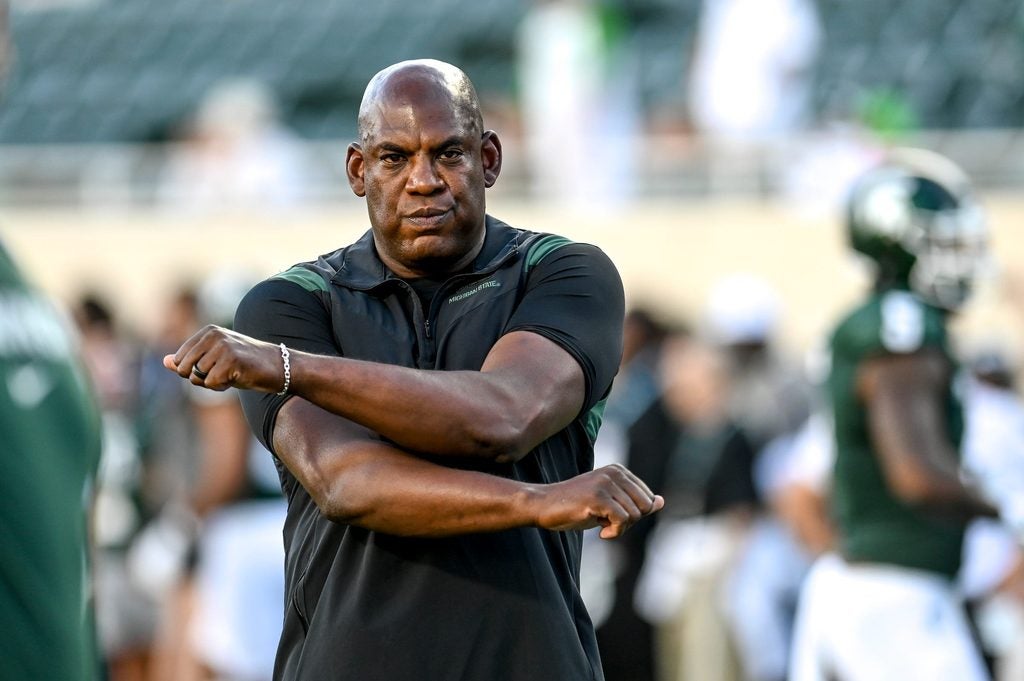
22. The Mel Tucker Scandal: Michigan State’s $95 Million Gamble Falls Apart
Michigan State football looked like it had found its next great coach in Mel Tucker. In 2021, Tucker led the Spartans to an 11-win season and a New Year’s Six bowl victory, giving the program renewed momentum and hope for the future. The university responded with a 10-year contract worth approximately $95 million, making Tucker one of the highest-paid coaches in college football.
Less than two years later, his tenure was over.
The Allegations and Michigan State’s Investigation
In September 2023, Brenda Tracy, a sexual assault survivor and activist who had worked with Michigan State’s football program to educate players about sexual violence, accused Tucker of sexual harassment. Tracy alleged that during a phone call on April 28, 2022, Tucker masturbated and made sexual comments without her consent. She had filed a formal complaint with the university in December 2022, prompting an investigation.
Tucker acknowledged that sexual activity occurred over the phone but maintained that it was consensual, arguing that the two had a personal relationship. Michigan State suspended him without pay after the allegations became public. An independent hearing officer later determined that Tucker had violated the university’s sexual harassment policy, finding Tracy’s account more credible than his. Tucker disputed the findings and argued that the investigation was flawed. On September 27, 2023, Michigan State fired Tucker for cause, ending his tenure before he could complete the massive contract he had signed in 2021.
Legal Disputes Continue After Tucker’s Firing
The dispute did not end with his firing. Tucker sued Michigan State in 2024, alleging wrongful termination, defamation, and violations of his rights. Tracy pursued separate litigation involving Tucker and the university, arguing that his public statements had damaged her reputation. The competing claims added another layer to a case that had already shaken the university and its football program.
The Fallout for Michigan State and Its Fans
For Michigan State fans, the scandal was especially frustrating because it came just as the program appeared ready to take another step forward. The 2021 season had brought excitement back to East Lansing, and Tucker’s contract extension seemed to signal that the university was committed to competing with the Big Ten’s best. Instead, supporters watched the coach they had embraced leave amid a major controversy, with questions about the athletic department’s judgment and the future of the program.
Michigan State’s history made the situation even more sensitive. The university had already faced intense scrutiny over its handling of the Larry Nassar scandal. Tucker’s case was separate from Nassar’s crimes, but it renewed questions about the university’s response to sexual misconduct complaints and whether institutional leadership had learned enough from its past. For fans, the issue was no longer simply about finding another coach who could win 10 games. It was also about whether the university could rebuild trust while handling a serious and deeply uncomfortable situation.
Tucker’s successful 2021 season remains part of his record, but the scandal has become inseparable from his time in East Lansing. Michigan State went from believing it had secured its football future to facing another period of uncertainty and reputational damage. For a fanbase that had recently been given a reason to dream big, the ending was a painful reminder of how quickly things can change in college football. – Ryan Roberts
21. Zach Smith domestic violation allegations burned Urban Meyer for the one thing he didn’t do at Ohio State
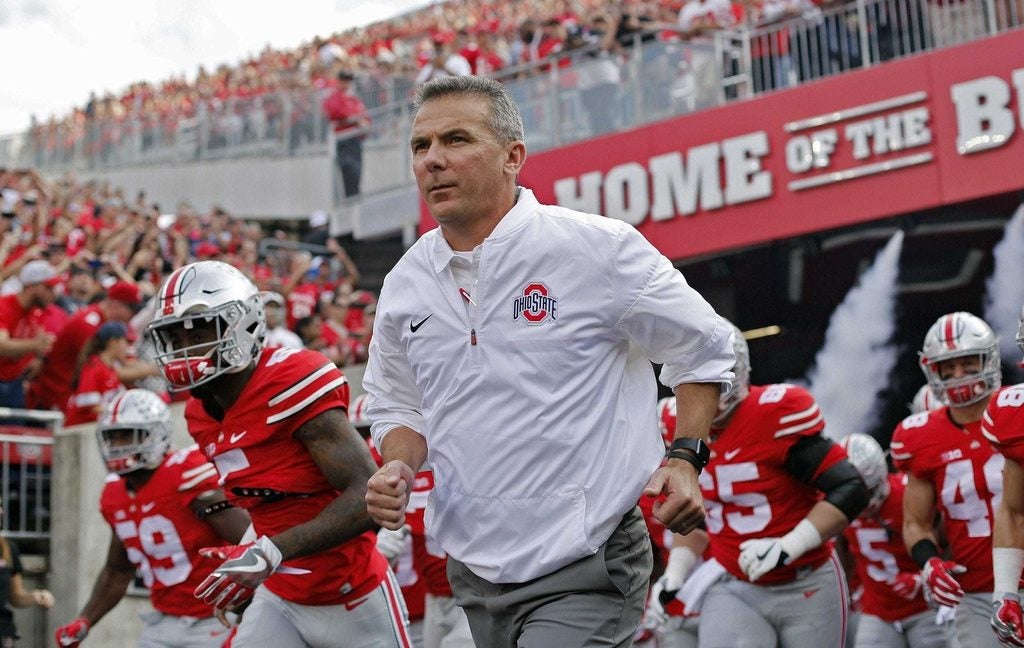
The Zach Smith scandal is one of the biggest controversies Ohio State football has faced in recent memory, and only the Tattoo Gate rivals it. The situation became public in July 2018 and brought major consequences for the Buckeyes. It also played a part in Urban Meyer eventually stepping away from the program.
Ohio State fired former wide receivers coach Zach Smith on July 23. Head coach Urban Meyer was suspended for the first three games of the 2018 season. Former athletic director Gene Smith received a 17-day suspension without pay, all a part of the fallout from this.
The university handed down those punishments Aug. 22. of 2018 following an independent investigation into what Meyer and Ohio State officials knew about allegations involving Zach and his ex-wife, Courtney Smith. The controversy didn’t derail the season on the field in 2018. Ohio State still finished 13-1, won the Big Ten Championship, and won the Rose Bowl.
Urban Meyer brought Zach Smith to Ohio State
Zach worked under Meyer as an assistant at both Florida and Ohio State. He is the grandson of former Ohio State head coach Earle Bruce, who was a mentor to Meyer and had a close relationship with him. That connection undoubtedly played a part in Zach landing multiple coaching jobs at the highest level of college football.
Courtney alleged that Zach physically abused her on multiple occasions during their relationship. One of the earliest incidents came in 2009, when Zach was arrested in Florida on suspicion of aggravated battery involving Courtney. No formal charges were filed. Meyer later said he believed the allegations had been misrepresented.
When Meyer became Ohio State’s head coach in 2011, he brought Zach on as his wide receivers coach. In 2015, Courtney reported allegations of domestic abuse to police in Powell, Ohio. Police investigated Zach, but he was never arrested or charged as part of that investigation.
According to the independent investigation, Gene learned about the 2015 investigation and informed Meyer. Both men monitored the situation, but neither referred it to the Ohio State compliance office. That’s where the issue lies, and that’s why the punishments came down.
In May 2018, Zach faced misdemeanor charges stemming from a dispute involving Courtney and her child. Courtney also obtained a civil protection order. On July 23, reporter Brett McMurphy published details of Courtney’s allegations. That brought the story into the national spotlight for the first time. Ohio State fired Zach almost immediately afterward.
Meyer suspended for hiding the initial finding
The university later placed Meyer on administrative leave and launched the independent investigation. Following the findings, Meyer received his three-game suspension. Those three games became the first of Ryan Day’s head coaching tenure, though Day wouldn’t take over full-time until the following season. The investigation made it clear Meyer knew about both the 2009 incident and the 2015 police investigation. Neither one ever reached the university’s compliance office.
A major part of the fallout centered on Big Ten Media Days on July 24. At that event, Meyer acted as if he didn’t know about the allegations that had surfaced.
That came back to bite Meyer when the official findings showed he knowingly misled the public about what he knew. It’s important to note that Zach was never convicted of domestic violence despite all of these findings. Still, it was a bad look for Ohio State. The matter stayed between the head coach and the athletic director instead of moving further up the chain of command. Had it gone higher, Zach likely would have gone from Ohio State much sooner.
This incident ended Smith’s coaching career
Zach has been out of coaching since then. He has gone on to build a sports media show on YouTube called Menace to Society. Meyer stepped away from coaching for a couple of years before taking the Jacksonville Jaguars job. He didn’t make it through a full season before the Jaguars fired him. Since then, he has been part of Fox’s Big Noon Kickoff coverage.
Ohio State is the biggest loser in all of this. The program kept serious allegations quiet instead of bringing them to compliance for further investigation, and that decision is still part of the program’s history today. – Brandon Little
20. The Jackie Sherrill Bull-Castration Scandal: Mississippi State’s Strangest Motivational Tactic
College football coaches are known for doing whatever they can to motivate their teams. Most rely on speeches, intense practices, or the occasional unusual team-building exercise. Mississippi State coach Jackie Sherrill took a very different approach before the Bulldogs opened the 1992 season against Texas.
Sherrill arranged for his players to watch a live bull being castrated. The demonstration was reportedly intended to educate and motivate the team, with Sherrill asking players whether they knew the difference between a bull and a steer. The timing was hard to ignore. Texas’s mascot was the Longhorn, and the stunt was widely viewed as a message aimed at the Bulldogs’ upcoming opponent.
Backlash Follows the Bull-Castration Stunt
It did not take long for the story to spread beyond Starkville. Animal welfare advocates condemned the procedure, Mississippi State’s veterinary school questioned whether it belonged in a football setting, and university president Donald Zacharias publicly criticized the episode. Sherrill defended the demonstration as educational and motivational, although he apologized amid the backlash. What might have been intended as an unusual moment inside the program became a national story that attracted plenty of ridicule.
Mississippi State Upsets Texas
Then came the game itself. On September 5, 1992, Mississippi State upset No. 13 Texas, winning 28–10. That result ensured the stunt would never be forgotten. The bull, nicknamed Wild Willie, became a local celebrity and appeared at the Mississippi State Fair and charity events before being euthanized in August 1993 after breaking a leg.
For Mississippi State fans, the story became one of those strange football memories that is difficult to explain to anyone who wasn’t around at the time. The Bulldogs had beaten a ranked Texas team, and the victory gave supporters something to celebrate. But the unusual pregame stunt also made Mississippi State the subject of national jokes. Fans could take pride in the result while acknowledging that their coach had created a controversy that probably never needed to happen.
Unlike scandals involving allegations of abuse or institutional misconduct, the Sherrill episode did not leave the same questions about the program’s overall integrity. It became a bizarre piece of football history, with the victory over Texas ensuring the story would be told for years. The episode also showed how quickly a coach’s attempt to gain a psychological edge can turn into a distraction. Mississippi State won the game, but the bull-castration stunt became almost as famous as the result. – Ryan Roberts
19. Cam Newton’s JUCO to college scandal was a major talking point during his star college season
Cam Newton is one of the most memorable players in college football history. His lone season with the Auburn Tigers produced a Heisman Trophy, an SEC Championship, and a national title. It also came with one of the biggest recruiting scandals of the early 2010s.
Back in 2009, the former Heisman winner was at the center of allegations that his father, Cecil Newton, sought money from the Mississippi State Bulldogs in exchange for his son’s commitment. The controversy didn’t become public until November 2010, right in the middle of that title run at Auburn. For a brief moment, it even cost Newton his eligibility.
Cam Newton’s path to Auburn ran through junior college
Newton began his college career with the Florida Gators before transferring to Blinn College in Texas. He became one of the top junior college quarterbacks in the country there, and several programs came calling. Mississippi State was one of them.
According to the allegations, Cecil took part in discussions with former Mississippi State football player Kenny Rogers about a potential payment for Newton to play for the Bulldogs. The figure attached to those talks was around $180,000.
Mississippi State never agreed to the payment. The school eventually reported the issue to the SEC, and the matter turned into an NCAA investigation. Newton chose Auburn over Mississippi State when he came out of junior college in 2009.
From there, investigators had to sort out one key question. They needed to determine whether the alleged effort to obtain money was limited to discussions between Cecil and Rogers, or whether Newton or Auburn knew anything about it.
Auburn ruled Newton ineligible before the NCAA reinstated him
The story hit national news on Nov. 4, 2010, when ESPN reported the alleged pay-for-play discussions. Newton was the biggest star in college football at the time, and the national conversation quickly shifted to whether he would be able to finish the season.
On Nov. 30, Auburn declared Newton ineligible after the NCAA identified violations involving his recruitment. Just one day later, the NCAA reinstated him without conditions. The NCAA said there wasn’t sufficient evidence that Newton or anyone around him at Auburn knew about the activity.
The NCAA did identify violations involving Cecil and Rogers. However, no major violations came out of the case, and the NCAA closed its investigation in October 2011.
The scandal stood out in the pre-NIL era
What made this story so wild was the timing. A $180,000 pay-for-play figure simply wasn’t something people talked about openly back then. This was well before the NIL era, and college players weren’t allowed to make money off of playing football. Even if something like that was going on behind the scenes, it wasn’t legal.
On the field, the impact was brief. Newton led Auburn through an undefeated season capped by the SEC Championship and a national title, and he took home the Heisman Trophy. The only real uncertainty for the Tigers came during that one-day window when it was unclear whether they would have their quarterback.
The biggest loser in all of this was probably Cecil and Rogers, given the picture painted of them allegedly orchestrating the arrangement. Newton’s reputation took a brief hit as well. Still, it was repaired pretty quickly with him being the face of college football that season.
All eyes were on Auburn during that stretch, and it was a national story for good reason. More than a decade later, it remains one of the bigger scandals of the early 2010s and a reminder of how different the sport looked before players could get paid. – Brandon Little
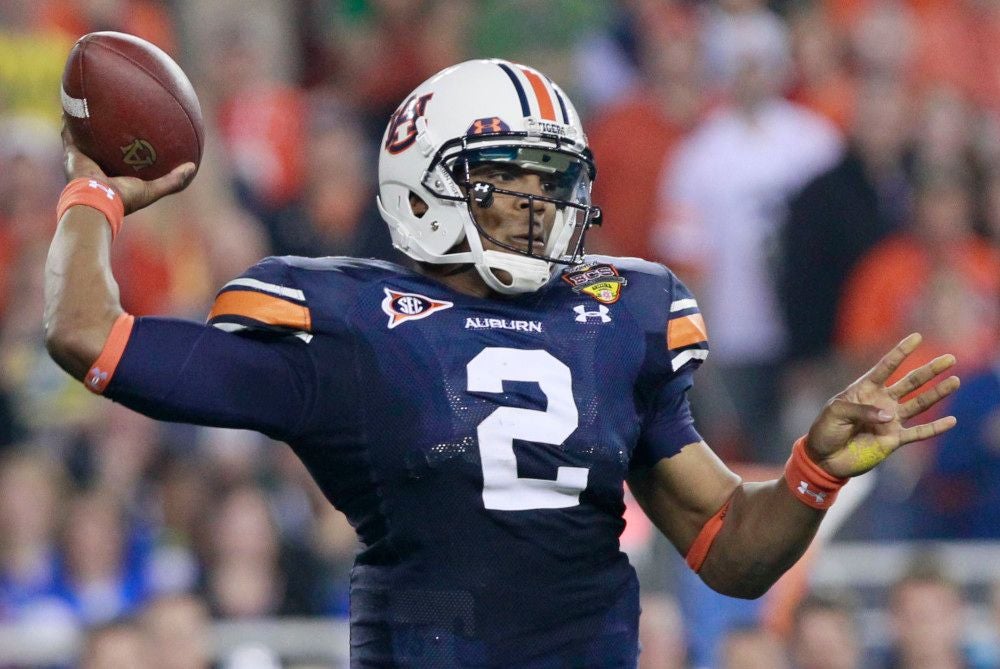
18. Schiano Sunday remains one of the wildest chapters in Tennessee Vols history after a near-done coaching hire collapsed in hours
Schiano Sunday was one of the most chaotic days in the history of Tennessee football. On Nov. 26, 2017, the Tennessee Vols appeared to be on the verge of hiring Greg Schiano to replace Butch Jones as the program’s next head coach. Instead, backlash from fans, state lawmakers, and other public figures derailed the hire within hours. The controversy became the defining moment of Tennessee’s 2017 coaching search, which has a reputation as one of the craziest coaching searches in college football history.
Schiano was serving as Ohio State’s defensive coordinator when Tennessee athletic director John Currie attempted to hire him (Schiano had previously been the head coach at Rutgers and of the Tampa Bay Buccaneers).
Early in his career, Schiano spent time on Joe Paterno’s coaching staff at Penn State. That stop is what eventually led to Schiano Sunday. Allegations surfaced concerning what Schiano knew about former Penn State defensive coordinator Jerry Sandusky’s sexual abuse of children. Those allegations stemmed from court documents that were unsealed in 2016. Former Penn State assistant coach Mike McQueary testified in a deposition that fellow assistant Tom Bradley had told him Schiano once came into Bradley’s office looking shaken after allegedly seeing Sandusky doing something to a boy in the shower.
Schiano denied ever witnessing the abuse or having any reason to suspect it while working at Penn State. Bradley also denied telling McQueary that Schiano had witnessed the abuse. Schiano was not named in the 2012 independent investigation (the Freeh report) into Penn State’s handling of the Sandusky scandal. Still, the allegations became a major reason for the Schiano Sunday protests.
Tennessee fans’ revolt directly alters the future of the program
Once reports emerged that Tennessee was finalizing a deal with Schiano, angry fans voiced their opposition on social media and gathered to protest on campus. Some state lawmakers also spoke out against the potential hire. The backlash spread quickly. It eventually became impossible for Tennessee to hire Schiano because of the public outcry. The Vols backed out of the agreement even though the hire was almost done.
Currie was fired shortly after the botched attempt to hire Schiano because of how chaotic the coaching search had become. Former Tennessee football coach Phillip Fulmer was hired to replace Currie as the program’s athletic director. Fulmer then hired Alabama defensive coordinator Jeremy Pruitt on Dec. 7 to replace Jones.
Schiano Sunday remains a significant chapter in Tennessee history because of how quickly the attempted hire collapsed in the face of public opposition from a passionate Vols fan base. Schiano eventually returned to Rutgers for his second stint as the program’s head coach. Pruitt, meanwhile, lasted three seasons at Tennessee before getting fired over an NCAA recruiting violation. – Zach Ragan
17. WakeyLeaks scandal remains one of college football’s strangest controversies, and the betrayal came from inside Wake Forest’s program
The infamous Wake Forest WakeyLeaks scandal became public in November 2016, and it’s still one of the most bizarre stories in college football history. The controversy centered on former Wake Forest player and assistant coach Tommy Elrod. While working as a radio analyst for the Demon Deacons, Elrod attempted to provide confidential game plan information to opposing teams.
The investigation started after Wake Forest discovered game prep documents at Louisville’s stadium following the Cardinals’ 44-12 win over the Demon Deacons on Nov. 12, 2016. Wake Forest actually led that game 12-0 before Louisville took control. The documents showed plays that Wake Forest had run in practice but not in games. The school investigated emails, text messages, and phone records before announcing its findings in December. The investigation determined that Elrod had attempted to provide confidential information to opposing programs on multiple occasions, dating back to 2014.
The Demon Deacon’s inside job
Elrod played quarterback at Wake Forest in the mid-’90s. He then spent 11 seasons on the coaching staff under former Wake Forest coach Jim Grobe, eventually becoming the team’s quarterbacks coach and co-passing game coordinator. When Dave Clawson took over as head coach in 2014, Elrod wasn’t retained as an assistant. Instead, he joined the school’s radio broadcast team. Despite no longer coaching, Elrod maintained his connections to the program, which gave him access to confidential information.
Wake Forest fired Elrod from his broadcasting role and banned him from its athletic facilities as a result of the scandal. The investigation eventually found that game plan information involving four games had been provided to three schools over three seasons. Those schools were Virginia Tech in 2014, Louisville in 2016, and Army in both 2014 and 2016.
Several coaches and programs faced punishment for accepting the information. The ACC fined Louisville and Virginia Tech $25,000 each in December 2016. That was the maximum allowed under conference rules. Louisville also suspended offensive coordinator Lonnie Galloway for the Citrus Bowl. Former Virginia Tech assistant Shane Beamer was working at Georgia when his involvement became public. Georgia fined Beamer $25,000 for accepting the information from Elrod ahead of the 2014 matchup between the Hokies and Demon Deacons. Beamer acknowledged that accepting the information without notifying Virginia Tech officials was a serious mistake in judgment. $100,000 in fines were dished out in total because of the scandal.
WakeyLeaks remains one of college football’s most unusual controversies because the culprit was someone inside the program who went rogue. College football programs spend countless hours worrying about opponents stealing signals or scouting practices. But not many, if any, worry about a former player and longtime assistant who is sitting in the radio booth. – Zach Ragan
16. Tennessee’s Jeremy Pruitt scandal and the violations that cost Pruitt his job and the Vols millions in penalties
The Tennessee Vols football recruiting scandal involving former head coach Jeremy Pruitt became public in late 2020, when Trey Wallace broke the story near the end of the COVID-impacted season. Any recruiting scandal in college football before the NIL era was going to be a big story, but some details helped turn Tennessee’s scandal into a national story.
There were reports that Tennessee’s coaches had allegedly handed recruits McDonald’s bags filled with cash. For non-Tennessee fans, that became the most memorable part of the entire ordeal. The McDonald’s bag story gained traction when sports radio host Dan Patrick reported that a source told him Tennessee assistants had put cash into McDonald’s bags and handed them to recruits. The story spread quickly and before long, it was one of the main narratives of the whole scandal.
The McDonald’s bag controversy
The NCAA, however, determined that cash had actually not been distributed in McDonald’s bags. There were impermissible meals from McDonald’s, but the incident involving a cash payment in a bag? That was actually a Chick-fil-A bag. The fast food mix-up doesn’t change the bigger picture, though. The NCAA’s investigation uncovered widespread violations by Tennessee. The NCAA found in 2023 that Tennessee had committed more than 200 infractions, including 18 Level 1 violations. Coaches and staff members provided recruits and their families with impermissible meals, hotel rooms, transportation, entertainment, and other benefits.
The NCAA determined that Pruitt had personally participated in violations and failed to properly monitor his staff. Tennessee fired Pruitt for cause in January 2021 following its internal investigation. The university also parted ways with athletic director Philip Fulmer (a legendary former head coach of the Vols), then hired athletic director Danny White and head coach Josh Heupel later that month.
The Vols big win and Pruitt’s immediate punishment
Pruitt went 16-19 during his three seasons on Rocky Top. The NCAA ultimately fined Tennessee $8 million, placed the program on five years of probation, and imposed recruiting restrictions and scholarship reductions that impacted Heupel’s early years in Knoxville. The Vols avoided a postseason ban, which was a big win at the time. Still, they had to vacate 11 wins from the 2019 and 2020 seasons. Pruitt received a six-year show-cause penalty, and an NCAA appeals panel upheld key findings against him in March 2024. He later filed a $100 million lawsuit against the NCAA. Pruitt is still not coaching in college football.
The McDonald’s bag story remains one of the most recognizable parts of the scandal to this day, even though no cash was ever put in a McDonald’s bag and given to a recruit. – Zach Ragan
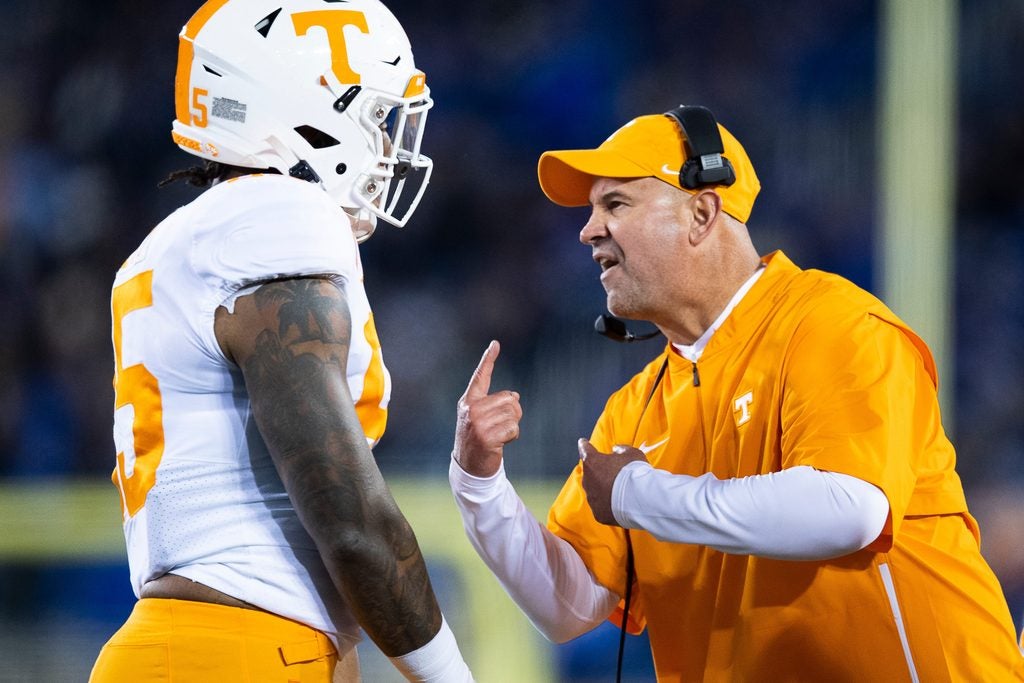
15. North Carolina’s paper classes scandal is one of the biggest academic scandals in college football history
The University of North Carolina paper classes scandal is one of the most controversial academic scandals in college sports history, and it still hangs over the school years after the NCAA closed its case. The controversy centered on hundreds of classes UNC offered over nearly two decades without regular instruction. It raised serious questions about academic integrity at North Carolina and about whether the NCAA would hold a prominent program accountable for widespread academic fraud. The scandal first came to light in 2011. The problems, however, dated back to the early 1990s.
An independent investigation found two people were responsible for offering hundreds of irregular classes between 1993 and 2011. One of them managed the courses and graded the papers. The courses became known as paper classes for a simple reason: they often required little more than a research paper and had no regular class meetings. The report estimated approximately 3,100 students took the classes. Student-athletes accounted for nearly 50 percent of the enrollment. The investigation also found some academic counselors directed athletes toward these classes because the high grades could help them remain eligible to compete.
UNC’s paper classes had a paper trail beyond football
The paper classes weren’t limited to football and basketball players. Other students took them as well. But the disproportionate number of student-athletes in those courses raised concerns about whether the system helped athletes maintain their eligibility. The findings also raised questions about UNC’s academic system as a whole, and about whether the pressure to keep athletes eligible contributed to the failure to address obvious academic problems.
North Carolina acknowledged serious wrongdoing. The school disciplined the employees involved and took steps to reform its academic oversight procedures. The university’s own investigation documented years of academic irregularities. Those included courses that weren’t taught and grades that were awarded without anyone from the faculty overseeing them. UNC also faced scrutiny from its accrediting agency, the Southern Association of Colleges and Schools, which placed the university on probation for one year. In response, North Carolina implemented reforms to strengthen oversight of academic departments and student-athlete academic support. UNC returned to good standing with its accrediting agency in 2016.
The case ended in 2017 without major penalties for UNC. The NCAA’s Committee on Infractions said it could not conclude North Carolina had violated its academic rules in the way required to impose any penalties. As a result, the university’s athletic programs avoided the major sanctions many believed they deserved. The ruling drew plenty of criticism toward the NCAA.
It also raised questions about whether the NCAA was properly handling academic misconduct. If an accrediting agency could put the school on probation, a lot of people wondered how the NCAA could avoid punishing UNC. The NCAA case is closed, and UNC’s athletic programs walked away without major penalties. Still, the paper classes scandal remains one of the biggest controversies in college sports history. And there’s no question that the scandal damaged North Carolina’s reputation, and that damage lingers to this day. – Zach Ragan
14. The Colorado Recruiting Scandal: When the Pursuit of Talent Went Too Far
Colorado football was once one of the sport’s most respected programs. The Buffaloes won a national championship in 1990 and built a reputation as a team capable of competing with the country’s biggest powers. By the early 2000s, however, the program was facing a scandal that threatened to overshadow its football achievements.
The controversy began with a December 2001 recruiting visit in Boulder. Players and recruits attended an off-campus party, and three women later alleged they had been sexually assaulted in connection with the gathering. They filed lawsuits against the university. Prosecutors did not bring sexual assault charges in that case, but four Colorado players faced charges related to providing alcohol to minors and later pleaded guilty to contributing to the delinquency of a minor.
The Investigation Puts Colorado Under a National Spotlight
The story gained national attention in early 2004 when Boulder County District Attorney Mary Keenan accused Colorado’s athletic department of using sex and alcohol to attract recruits. Reports described parties involving strippers, and questions emerged about whether an athletic department employee had arranged escort services for recruits. The situation became even more serious when former Colorado kicker Katie Hnida alleged that she had been sexually harassed and raped by a teammate while on the team.
Head coach Gary Barnett faced widespread criticism over his handling of the situation, including comments about Hnida’s kicking ability and his response to a separate woman’s report of an alleged assault by a player. Barnett denied knowingly permitting sexual misconduct or improper recruiting practices. An independent commission’s May 2004 report found evidence that sex, alcohol and drugs had been used to entice recruits and criticized Barnett and athletic director Richard Tharp for inadequate supervision. However, the commission found no evidence that university officials had knowingly sanctioned the recruiting practices.
Prosecutors ultimately declined to file criminal charges in nine sexual assault cases involving football players. Those decisions did not establish that the alleged assaults had not occurred. Barnett was placed on paid leave in February 2004 and reinstated in May, while university leadership announced reforms to athletic oversight and accountability.
The Impact on Colorado’s Reputation and Fanbase
For Colorado fans, the scandal was a difficult moment for a program that had once given them plenty to celebrate. Recruiting controversies are common in college football, but allegations involving sexual assault and the treatment of women are far more serious than questions about recruiting rules. Fans who wanted to see their team return to national prominence were suddenly confronted with questions about the culture surrounding the program and whether winning had been placed ahead of basic responsibilities.
The controversy damaged Colorado’s reputation and forced the university to address how it supervised its football program. It also created a complicated legacy for supporters who remembered the Buffaloes’ championship years but now had to reckon with a very different story. The scandal remains one of the most troubling chapters in Colorado football history because the central issues went well beyond the sport. They involved the treatment of people, the responsibilities of coaches, and the consequences of failing to take allegations seriously. – Ryan Roberts
13. The George O’Leary Scandal: Notre Dame’s New Coach Lasts Just Five Days
Notre Dame’s search for a head coach in December 2001 was supposed to mark the beginning of a new chapter. Instead, it became one of the most embarrassing hiring mistakes in college football history.
George O’Leary had built a strong reputation at Georgia Tech and appeared to be a promising choice to lead the Fighting Irish. Notre Dame announced his hiring on December 9, 2001, giving fans reason to believe the program had found the coach who could get it back on track. But almost immediately, questions surfaced about his résumé.
The Résumé Discrepancies Come to Light
O’Leary had claimed to hold a master’s degree in education from New York University, even though he had not earned the degree. He also claimed to have earned three varsity football letters at the University of New Hampshire, despite never playing in a game there. The discrepancies came to light after a New Hampshire newspaper reporter looked into his playing career. O’Leary acknowledged the inaccuracies and resigned on December 13, just five days after Notre Dame hired him.
The timing made the situation even more humiliating. Notre Dame had publicly committed to O’Leary, only to discover that important details about his background were untrue. Athletic director Kevin White said the misrepresentations had damaged the trust necessary for the relationship to continue. O’Leary apologized for embarrassing the university, but the damage had already been done.
The Fallout for Notre Dame Fans
For Notre Dame fans, this was a self-inflicted wound at a time when the football program desperately needed stability. The university prides itself on its academic reputation and institutional standards, making the discovery particularly awkward. Fans had barely had time to get excited about the new hire before they were left wondering how the athletic department had failed to catch such obvious discrepancies.
The episode also put Notre Dame back into the national spotlight for all the wrong reasons. Instead of talking about recruiting and the upcoming season, the conversation centered on a coach who never made it to his first game. O’Leary eventually rebuilt his career at UCF, leading the Knights to an undefeated 2013 season and a Fiesta Bowl win over Baylor. That success added another layer to the story. Notre Dame’s hiring disaster did not end O’Leary’s career, but it became a permanent reminder of a search that went wrong almost as soon as it began. – Ryan Roberts
12. Alabama hired Mike Price to restore the Crimson Tide, but a trip to Florida ended his tenure before he coached a single game
Alabama Crimson Tide fans never got to see Mike Price coach a single game in Tuscaloosa, even though the university hired him to replace Dennis Franchione after the 2002 season.
Price came to Alabama with an impressive resume. He had led Washington State to consecutive 10-win seasons and a Rose Bowl appearance. The Crimson Tide hired him in December 2002 expecting him to help restore the program to national prominence. But just months later, a trip to Florida set off a scandal that ended his tenure before it really began.
In April 2003, Price traveled to Pensacola, Florida, to play in a golf tournament. Reports soon emerged that he had visited a strip club. The controversy grew after reports said a woman charged about $1,000 in room service to his hotel bill the next morning. Price said he was “too drunk to really know” what happened at the strip club. Alabama fired Price on May 3, 2003.
Sports Illustrated’s allegations throw fuel on the fire
The story got even bigger when Sports Illustrated published a detailed account of the trip in May 2003. The article included allegations that women had gone with Price to his hotel room and that sexual encounters had taken place there. Price acknowledged visiting the club, but he denied Sports Illustrated’s other allegations. He filed a $20 million defamation lawsuit against the publisher of Sports Illustrated, which was later settled out of court for an undisclosed amount.
Alabama, meanwhile, was suddenly searching for another head coach after the Price hire lasted only a few months. The Crimson Tide eventually hired Mike Shula, the son of legendary NFL head coach Don Shula. After four seasons, Shula was replaced by Nick Saban, which led to one of the most successful runs in college football history.
Price, by the way, quickly returned to coaching. In December 2003, he was hired as the head coach at UTEP, a job he held until 2012. – Zach Ragan
11. How Hugh Freeze’s Ole Miss downfall started with a lawsuit from the coach he replaced and ended days after SEC Media Days
Hugh Freeze’s exit from Ole Miss remains one of the wildest coaching departures the SEC has ever produced. The Rebels were already buried in an NCAA recruiting case. Yet the thing that actually ended Freeze’s tenure was a call from his university-issued phone to a number associated with an escort service.
The NCAA case stretched across multiple years and resulted in the 2017 sanctions. The phone records forced Freeze out of Oxford that summer.
Those were two separate storylines, and they collided at the worst possible time for the former Ole Miss coach.
Hugh Freeze, Ole Miss scandal timeline
February 2017: Ole Miss announces a self-imposed postseason ban for the 2017 season July 20, 2017: Freeze resigns effective immediately, and Ole Miss says he will receive no buyout Dec. 1, 2017: NCAA penalties include a second postseason ban for the 2018 season, probation, scholarship and recruiting restrictions, financial penalties, and a vacation of records. Freeze receives a conditional two-game conference suspension tied to employment during the penalty window Nov. 1, 2018: The appeals committee upholds the postseason ban and the contested findings, but overturns the unofficial visit restriction for the following year
How Houston Nutt’s lawsuit exposed Hugh Freeze
This part still blows my mind.
Ole Miss fired Houston Nutt, and Nutt left with a severance agreement. Then, while the school was dealing with the NCAA case, Ole Miss made statements that Nutt alleged shifted blame for the violations onto him. His argument was simple. He was already gone, and the university was pinning it on him anyway, which he alleged breached his severance agreement.
So Nutt sued Ole Miss, with Freeze still running the program.
While investigating those statements, Nutt’s legal team obtained Freeze’s phone records. That’s where the call to the escort service number surfaced. A broader university review then uncovered what officials described as a pattern of personal misconduct.
Ole Miss announced Freeze’s resignation and elevated Matt Luke to interim coach. The school also said the circumstances behind the departure were separate from the NCAA case.
Read that back. The coach Freeze replaced filed the lawsuit that helped expose the conduct that ended Freeze’s time at Ole Miss. You can’t write it better.
And there’s another layer. Steve Robertson, a Mississippi State writer and fan, helped examine the records alongside Nutt’s attorney, Tom Mars. Reporting at the time described the escort service call as a discovery made while searching for communications relevant to Nutt’s dispute over the violations.
So yes, the Ole Miss-Mississippi State rivalry, one of the most bitter in college football, found its way into this too.
Public records and a former coach’s lawsuit converged to reveal those calls from Freeze, a married father of daughters who wore his faith on his chest and his sleeve.
The backup long snapper filibuster at SEC Media Days
I remember the timing of this VERY vividly.
We were at SEC Media Days in Hoover, Alabama, covering it for A to Z Sports, and Freeze walked in with rumors and speculation swirling all around him. What followed was the longest filibustering opening statement I have ever heard from a coach on the big podium.
I’m talking about a coach bringing up his backup long snapper. . . to burn as much clock as possible and dodge as many questions as he could.
Days later, he resigned.
The fallout went well beyond Freeze. Ole Miss went through an immediate leadership change, endured consecutive seasons without postseason eligibility, and took real recruiting hits. The whole saga also showed how public records scrutiny can expose conduct far beyond the issue anyone was looking for in the first place.
Freeze’s road from Ole Miss to Liberty to Auburn
Freeze was clearly the biggest loser here. He was exposed and embarrassed over personal misconduct that had nothing to do with the NCAA violations hanging over the program.
He landed on his feet at Liberty, then got the Auburn job, and was recently fired after a few years as the Tigers’ head coach.
That exit came with its own rumors, including talk of a standing Sunday tee time at a local country club after games. The suggestion was that Freeze was more interested in hitting the links than sitting in team meetings.
But that’s a different story. Hugh Freeze just has a knack for getting caught up in the wrong things. – Austin Stanley
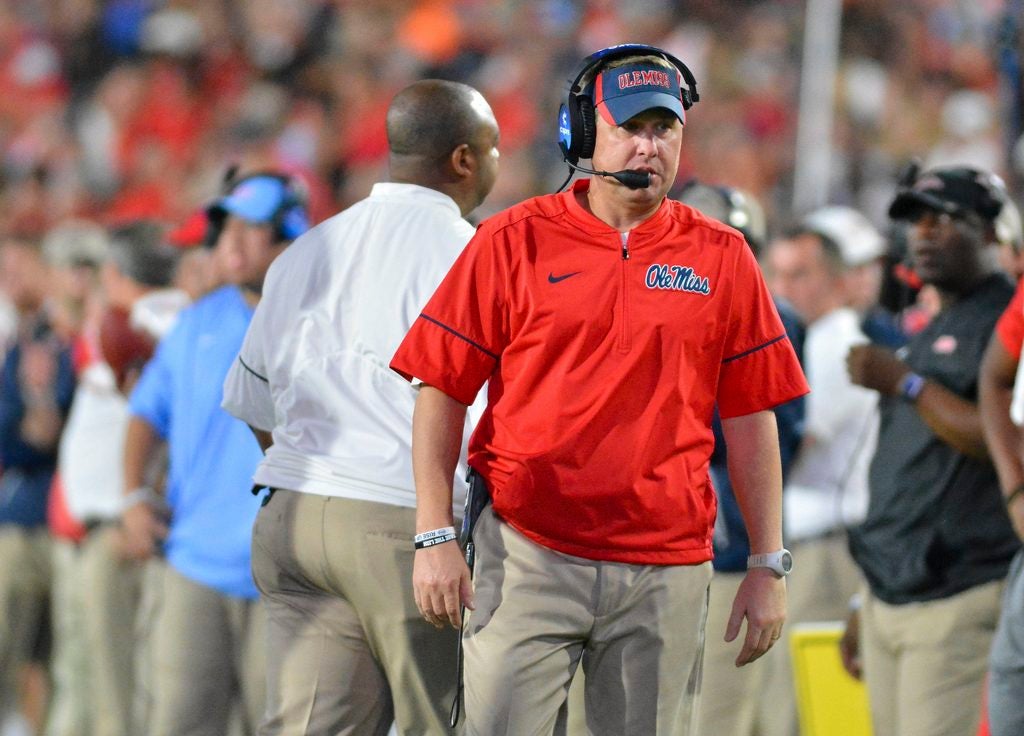
10. Ohio State tattoo scandal ruined Jim Tressel’s Buckeye tenure, and forced the program in a different direction
Ohio State’s Tattoo Gate scandal remains one of the biggest in Buckeyes football history. It’s also the cover-up that cost Jim Tressel his job. Tressel resigned as Ohio State’s head coach on May 30, 2011, and the punishment that followed hit the program hard.
The penalties included Ohio State vacating its 2010 football wins and a postseason ban for the 2012 season. Tressel was later handed a five-year show-cause order. The violations themselves weren’t what brought down one of the most respected coaches in the game. The real damage came from what Tressel knew and when he knew it.
Ohio State players traded memorabilia for tattoos and cash
It started with Ohio State football players selling team memorabilia. Players exchanged items like championship rings, gold pants, jerseys, and equipment for cash, tattoos, and other benefits. Remember, this was before the name, image, and likeness era, and players weren’t able to get paid more than 15 years ago.
The story centered on six Ohio State players: quarterback Terrelle Pryor, running back Daniel Herron, wide receiver DeVier Posey, offensive lineman Mike Adams, defensive lineman Solomon Thomas, and linebacker Jordan Whiting. The transactions involved Columbus-area tattoo parlor owner Edward Rife, who was accused of taking memorabilia from players in exchange for tattoos.
Under NCAA rules at the time, players were prohibited from selling certain institutionally issued awards and equipment or accepting benefits from it. Those actions put the players’ eligibility at risk. Still, the players weren’t the biggest issue in this story.
Jim Tressel knew about the violations in April 2010
Tressel received emails from Columbus attorney Christopher Cicero in April 2010. Cicero warned him that Ohio State players were selling memorabilia to Rife. The details provided to Tressel included references to championship rings, cleats, jerseys, and other equipment.
Instead of reporting the information to the compliance department at Ohio State, Tressel forwarded it to Ted Sarniak, Pryor’s mentor. Months later, in September 2010, Tressel signed a compliance certification stating he had reported any information about potential NCAA violations.
In December 2010, federal investigators alerted Ohio State that memorabilia connected to the football program had been found during an investigation involving Rife. Ohio State began investigating the players, and six of them were declared ineligible. The university reported the violations to the NCAA, which initially gave five of the players five-game suspensions. Whiting received a one-game suspension. Those suspensions were deferred to the 2011 season.
From there, everything changed. Ohio State discovered the emails between Tressel and Cicero in 2011. The university now had evidence its head coach knew about the potential violations and failed to disclose them.
That’s the craziest part of this whole thing. Tressel was one of the most respected coaches in college football at the time. He won a national championship at Ohio State in 2002, and few would have expected him to commit such a serious offense in the eyes of officials. It was a damaging chapter on what had been a celebrated tenure in Columbus.
Tressel resigns and the punishment lingers for Ohio State
Ohio State initially suspended Tressel for two games and fined him $250,000. The NCAA later increased his suspension to five games. However, the pressure continued to build, and Tressel resigned on May 30, 2011.
The fallout impacted Ohio State for some time. The six players faced suspensions, and it effectively marked the end of Pryor in an Ohio State uniform. The Buckeyes had to vacate their victories from the 2010 season, including the Sugar Bowl win over Arkansas.
The 2012 postseason ban also landed in coach Urban Meyer’s first season leading the program. Additionally, Ohio State was placed on probation for three years and dealt scholarship reductions, which hurt the roster.
The Buckeyes went 12-0 in 2012 but couldn’t compete in the postseason. That Ohio State team was good, which made the ban sting even more. It was potentially a national championship-winning season that never got the chance to play out.
Simply put, Tressel’s failure to pass the information through the proper chain of command is where the pot started boiling over. Everything fell apart from there. If Tressel had gotten what he knew to the right people, he potentially could have been Ohio State’s head coach for much longer than he was. – Brandon Little
9. Reggie Bush’s Heisman saga created a Lane Kiffin butterfly effect, and the real losers never shared a field with him at USC
Reggie Bush lost his Heisman Trophy in one era of college football and got it back in another. The former USC running back’s scandal stems from the 2004-05 seasons. NCAA sanctions landed in June 2010, and Bush forfeited his 2005 Heisman in September 2010. Then, 14 years later in April 2024, the Heisman Trust handed it back.
That timeline is wild on its own. However, the part I find fascinating is the butterfly effect, and it runs straight through Lane Kiffin.
Reggie Bush was the face of USC’s Hollywood run
Bush was one of the most electric college football players of all time. Running backs tried to copy his style for years. He could score any time he touched the ball, whether it came on a carry, a reception, or a kick return.
He was the centerpiece of Southern Cal’s 2000s run alongside quarterback Matt Leinart. The Trojans had Hollywood all around them and competed for national titles on the biggest stage the BCS had to offer. Bush won the Heisman in 2005 and went on to be a high draft pick in the 2006 NFL Draft.
Then the NCAA investigation concluded that Bush and his family received impermissible benefits from sports marketers hoping to represent him once he turned pro. Those benefits included straight-up cash and housing-related assistance. The eligibility findings helped produce the sanctions against USC, and Bush’s separation from the school lasted a decade before ending in 2020.
The crazy part? Everyone saw the highlights. Nobody questioned what he did on the field. The controversy centered on benefits and eligibility, yet his achievements vanished from official award history anyway.
Key dates in the Reggie Bush and USC sanctions timeline
- June 2010: The NCAA imposes a two-year football postseason ban, a reduction of 30 scholarships over three years, and a vacation of results involving Bush’s ineligible participation. USC also has to disassociate from Bush.
- September 2010: Bush voluntarily forfeits the Heisman, the first winner ever to do so.
- June 2011: The BCS strips USC of its 2004 national championship, won in the Orange Bowl in January 2005. USC keeps the Associated Press title.
- April 2024: The Heisman Trust reinstates Bush as the 2005 winner and returns his trophy.
Giving it up voluntarily was the right way to handle it, I guess. Still, it’s a strange thing to be first at.
So what changed? College athletics changed. The Heisman Trust explicitly cited the acceptance of athletic compensation, NIL opportunities, and the shifts in the amateurism model college football clung to for decades. The same organization that left the 2005 award vacant gave it back nearly 14 years later.
The Lane Kiffin butterfly effect
Here’s where things get goofier. The sanctions didn’t arrive until June 2010, four years after Bush left for the NFL. By then, coach Pete Carroll had already taken the Seattle Seahawks head coaching job.
His replacement? Lane Kiffin.
Kiffin was Carroll’s offensive coordinator at USC for several of those years before becoming the Raiders’ head coach for Al Davis at 33 years old. Oakland fired him in 2008, and he landed as the Tennessee Volunteers head coach in 2009. His approach in Knoxville was aggressive, to put it nicely. After a 7-6 debut season that ended with a bowl loss, Kiffin left Tennessee in the middle of the night in January 2010 to chase what he called his dream job.
That dream job came with a two-year bowl ban and 30 fewer scholarships. Kiffin never got USC where it needed to be, and the school fired him a few seasons later. On the tarmac.
I can’t help but wonder what happens if Kiffin knows how brutal those sanctions will be and stays in Knoxville. Then again, I think the odds are Tennessee would have run into recruiting violations of its own if he kept going at that rate.
After USC, Kiffin became the offensive coordinator at Alabama, then head coach at Florida Atlantic, then head coach at Ole Miss. Now he just left to become the head coach at LSU. The man has a gift for showing up in the middle of everything. . . for better or worse.
Who is the biggest loser in the Reggie Bush scandal?
Technically, I don’t think it’s Bush. Everyone still recognized what he did on the field, trophy or no trophy. The record books lost him for 14 years. The fans never did.
The biggest victims were the USC players who absorbed the postseason bans and scholarship reductions. Many of them were barely in high school, maybe even middle school, when Bush was doing his thing in Los Angeles. They had NOTHING to do with any of it.
Those players paid the bill for a party they were never invited to. – Austin Stanley
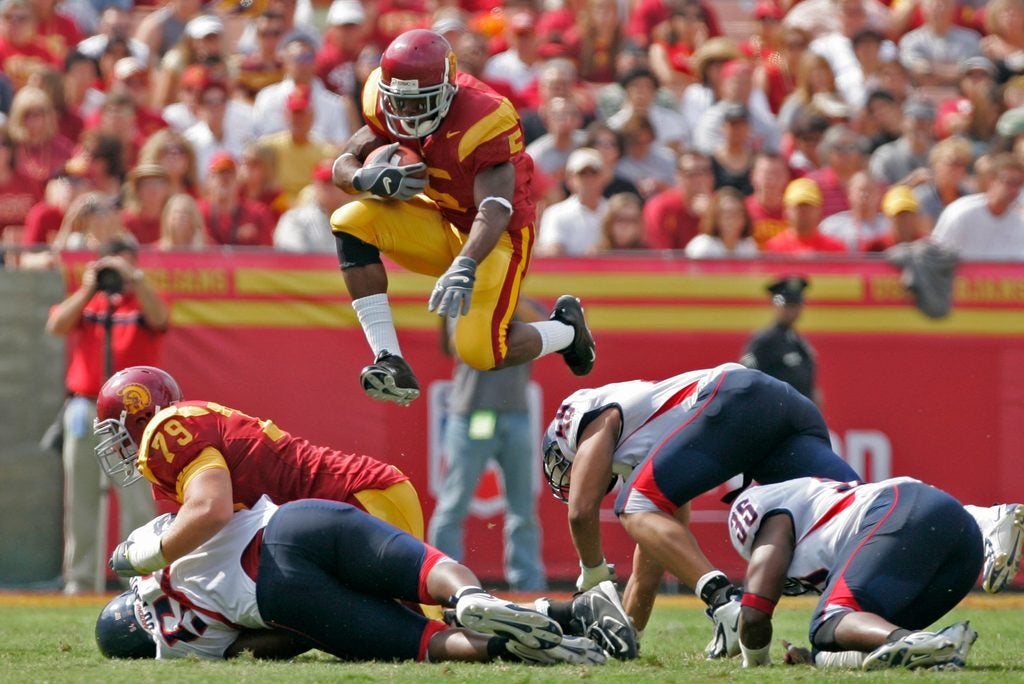
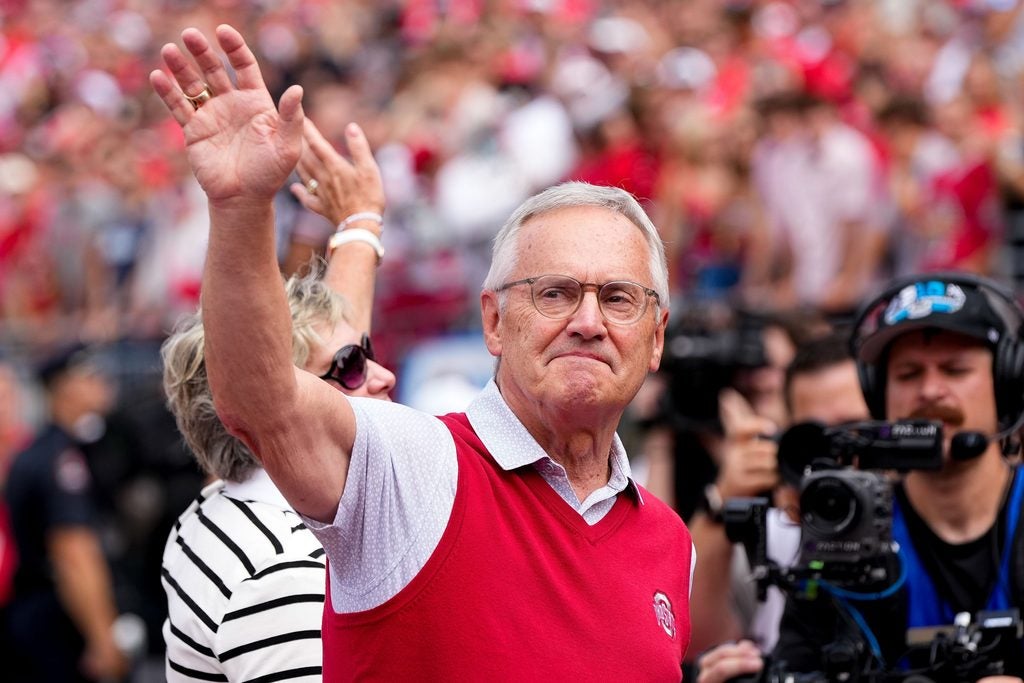
Bush wasn’t just a star, but a national phenomenon, someone whose fame transcended his sport. The versatile running back was the most electrifying player to come out of USC in a decade in which the Trojans helped define the sport. His 2,218 total yards and 18 touchdowns during his Heisman Trophy-winning junior season in 2005 only did so much to explain his brilliance. Even 20 years later, his highlights are as jaw-dropping as any a college player has ever put together. Photo By: Robert Hanashiro / USA TODAY NETWORK via Imagn Images
8. Albert Means scandal remains one of the darkest chapters in college football recruiting, and Alabama paid a steep price for it
College football recruiting has never been a fully clean and ethical practice, no matter what guardrails the NCAA has tried to put in place. Even so, the Albert Means recruiting scandal may be the dirtiest example and darkest chapter in the history of the sport.
It unfolded at the turn of the century in Memphis, and it centered on a highly touted defensive lineman and the University of Alabama.
Means is a name many college football fans across the country still remember. It’s also a name that helped bring down the Alabama football program for years, and it put the sometimes unsavory nature of the recruiting world on full display.
How Albert Means’ recruitment to Alabama unraveled
Means was one of the most highly touted defensive linemen in the 2000 recruiting class. Naturally, the Memphis product drew plenty of interest from programs around the country. He ultimately signed his letter of intent with the Crimson Tide on Feb. 2, 2000.
Less than a year later, the story took a dramatic turn. On Jan. 10, 2001, the Memphis Commercial Appeal dropped a bombshell about Means’ recruitment and commitment. According to the report, Means’ high school coach, Lynn Lang, and an assistant coach, Milton Kirk, would coordinate with schools to collect a payment to direct Means to their program. Ultimately, an Alabama booster named Logan Young provided a six-figure payment in exchange for Means’ commitment.
The fallout came quickly for the player at the center of it all. Means transferred that offseason to the University of Memphis, where he played the 2001 season and continued his career. He went undrafted and signed with the Houston Texans as a free agent in 2005, but he did not make the final roster.
Federal charges, a conviction, and a tragic ending
The legal consequences extended well beyond the football field.
Lang was charged with multiple counts and pled guilty, cooperating with the federal government as it built a case against Young. That case ended with Young’s conviction on conspiracy to commit racketeering, among other charges. He was sentenced to six months in federal prison in June 2005. Young was found dead in his Memphis home in April 2006.
Perhaps the most striking part of this entire saga is the player himself. The NCAA, along with the federal authorities who prosecuted the case, believed Means had no idea he was being bartered between his coaching staff and prospective schools. He was a teenager with elite talent, and the adults around him treated that talent as a commodity.
That’s what makes the Means case such a sobering one. It showed, emphatically, how willing the people surrounding a player can be to use that player’s ability for their own gain.
Alabama hit with severe NCAA penalties
Alabama didn’t escape the scandal unscathed. The NCAA came down hard on the program.
The Crimson Tide received five years of probation, a two-year bowl ban, and a reduction of 21 football scholarships. The school was also required to sever ties with Young and a pair of other boosters.
For a program with Alabama’s history and expectations, those penalties stung. A two-year postseason ban and a significant scholarship reduction left a mark on the roster that took years to recover from.
Bottom line: the Means saga still stands as a cautionary tale about what happens when the adults in a recruit’s life put money ahead of the player. – Craig Smith
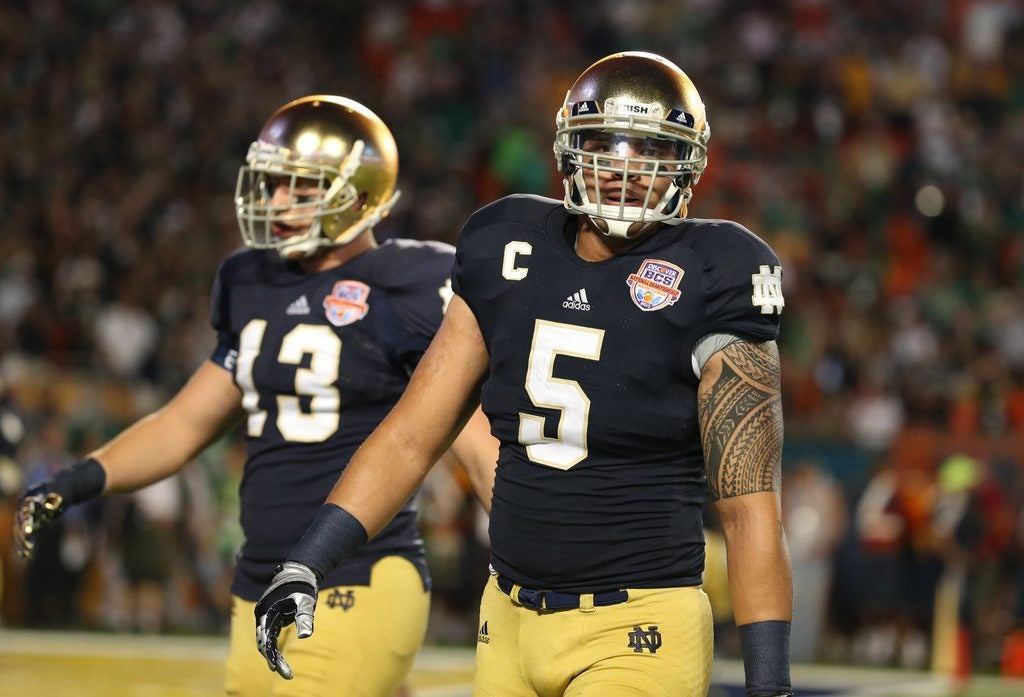
7. The Manti Te’o Scandal: Notre Dame’s National Championship Run Gets Derailed by a Hoax
In 2012, Manti Te’o was one of the biggest names in college football. The Notre Dame linebacker was the leader of an undefeated Fighting Irish team, a Heisman Trophy finalist and the face of a program that had returned to the national championship conversation. His personal story made his season even more compelling. Te’o was playing through the reported deaths of his grandmother and his girlfriend, Lennay Kekua, both said to have died on September 12, 2012.
Kekua’s story was heartbreaking. She had reportedly survived a serious car accident before being diagnosed with leukemia. Te’o continued playing while dealing with the supposed loss, and his perseverance became a major part of the national coverage surrounding Notre Dame’s remarkable season. For many fans, it was the kind of story that made college football about more than wins and losses.
The Hoax Is Exposed
Then, on January 16, 2013, Deadspin published an investigation that turned the entire story upside down. Kekua had never existed as the person Te’o believed her to be. Ronaiah “Naya” Tuiasosopo had created the fake identity and maintained an online relationship with Te’o through phone calls and messages. Te’o said he had been deceived, although he admitted lying about having met Kekua in person. He also faced questions about why he continued discussing her death after receiving a phone call in December 2012 from someone claiming to be Kekua and saying she was alive. Te’o maintained that he was the victim of a hoax, and Tuiasosopo later admitted to orchestrating the deception. Despite the intense speculation that followed, no conclusive evidence established that Te’o was involved in creating the hoax.
How the Scandal Affected Notre Dame
For Notre Dame fans, the timing could hardly have been worse. The Fighting Irish had just completed an undefeated regular season and reached the BCS National Championship Game for the first time in more than two decades. Instead of focusing on one of the program’s biggest accomplishments in years, fans suddenly found themselves defending a player who had become the punchline of national jokes. The scandal even threatened to overshadow Te’o’s performance on the field, which had helped drive Notre Dame’s success.
Te’o was selected 38th overall by the San Diego Chargers in the 2013 NFL Draft, and the controversy reportedly affected his draft prospects. His reputation took a significant hit, although the story later received a more sympathetic examination in Netflix’s 2022 documentary Untold: The Girlfriend Who Didn’t Exist. The documentary revisited the deception and the public humiliation Te’o experienced. For Notre Dame supporters, the scandal remains an unfortunate part of a season that should be remembered for the team’s remarkable turnaround. What started as one of college football’s most inspirational stories became one of its strangest, and Te’o spent years trying to move beyond it. – Ryan Roberts
6. Alabama fan Harvey Updyke poisoned Auburn’s Toomer’s Corner oaks after the Iron Bowl, then told on himself to Paul Finebaum
The Iron Bowl rivalry between Alabama and Auburn has given college football plenty of unforgettable moments on the field. The wildest chapter of the series happened off it. Alabama fan Harvey Updyke poisoned the iconic live oak trees at Auburn’s Toomer’s Corner, then went on the Paul Finebaum Show and told the world about it.
Yes, he really did that.
Toomer’s Corner is sacred ground on the Plains. Auburn fans and supporters gather there to celebrate victories, and tradition calls for rolling the oaks with toilet paper after wins. So when someone went after those trees, he went after the heart of the Auburn fan experience.
‘Al from Dadeville’ calls the Paul Finebaum Show
The poisoning happened around the Iron Bowl in November 2010. Nobody outside of Updyke knew about it until two months later.
On Jan. 27, 2011, a caller who identified himself as Al from Dadeville told Finebaum he had poisoned the trees. He described the act as retaliation connected to the rivalry between the Crimson Tide and the Tigers.
That context matters. At that point, Finebaum hosted his show out of Birmingham, and it served as the SEC’s unofficial call-in battlefield for Auburn and Alabama fans. Callers went there to trash talk. Al from Dadeville went there to confess. . . live on the air.
Updyke had applied the herbicide Spike 80DF around the oaks. Testing confirmed the chemical’s presence in the trees, and Auburn launched an investigation along with extensive efforts to save them. Authorities announced Updyke’s arrest in connection to the poisoning on Feb. 17, 2011.
The legal fallout and the end of the original Toomer’s oaks
The case dragged on for two years. Updyke pleaded guilty in 2013 to a felony involving damage to an agricultural facility.
He received a 3-year split sentence that required six months of incarceration and five years of supervised probation. However, Updyke served only 76 days following the plea, because he received credit for 104 days already served. Later that year, a judge ordered more than $796,000 in restitution to Auburn.
The bigger loss for Auburn had nothing to do with a courtroom. The efforts to save the trees failed.
Auburn gave its fans one final celebratory rolling of the original oaks following the spring game. Then the school removed them on April 23, 2013. Auburn undertook the restoration and replacement work, and the new trees were planted in February 2015.
Think about that timeline. One phone call to a sports talk show set off more than four years of cleanup, court dates, and replanting for a university and its fan base.
Tide for Toomer’s showed the rivalry has limits
This is the part of the story I think gets forgotten the most, and it’s the best part.
The incident generated real cross-rivalry support. Alabama alumni and fans organized Tide for Toomer’s, a group that raised money to help Auburn.
These two fan bases genuinely do not like each other. That’s the whole point of the Iron Bowl. Still, the response made it clear Bama fans did not condone Updyke’s actions, even though he was one of them. Hating your rival on Saturday is one thing. Killing a beloved campus landmark is something else entirely.
The biggest loser is obvious
Auburn’s community took the hardest hit. Generations of Tigers fans lost the original trees they had rolled after big wins, and no restitution figure was ever going to replace that.
As for Updyke . . . it was just a dumb act. Rivalry passion is what makes the SEC special, but there’s a line, and poisoning a school’s most famous trees sits miles past it.
Then he called in to the most famous college football radio show in the country and bragged about it.
That’s college football for you. You can’t make it up. – Austin Stanley
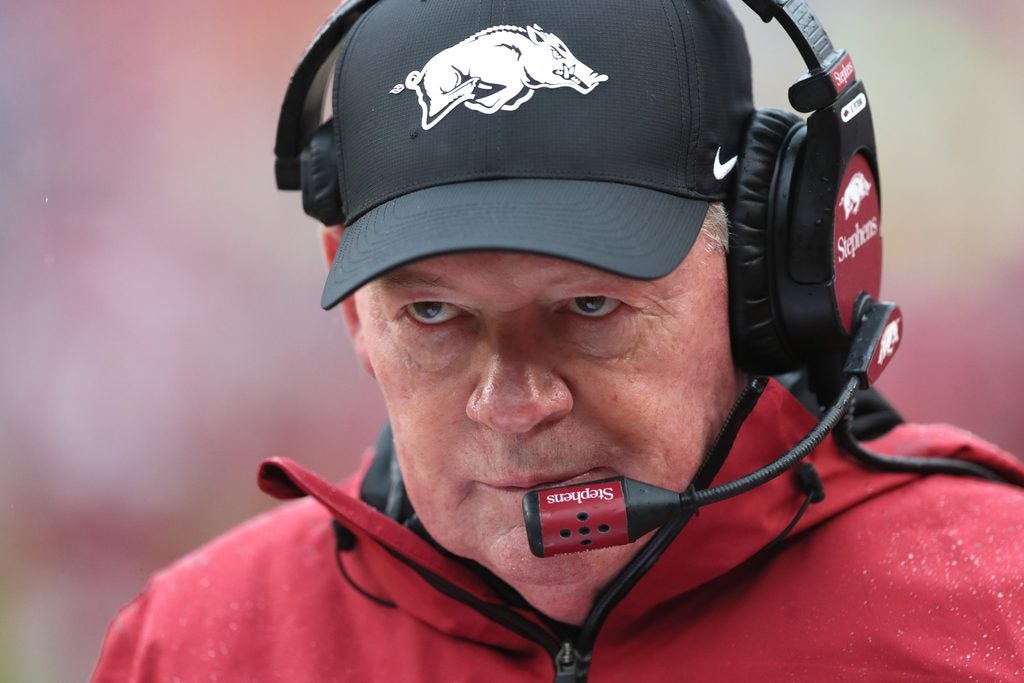
5. Bobby Petrino’s motorcycle crash exposed the affair and hiring conflict that cost him Arkansas and sent the Razorbacks spiraling
Bobby Petrino had the Arkansas Razorbacks rolling in the spring of 2012. Then a motorcycle crash set off a chain of events that cost him his job, an $18 million buyout, and the best run Arkansas football has put together this century.
The Razorbacks were coming off an 11-2 season. Petrino looked like the coach who could finally turn the Hogs into a consistent SEC power. Instead, the most lasting image from that era is Petrino at a press conference, battered, bruised, and wearing a neck brace. That look became a popular Halloween costume for years.
Funny? Sure. But the story behind that neck brace is a lot uglier than the costume.
The Bobby Petrino timeline: nine days that changed Arkansas
The crash was only the beginning. The hiring decision came first, and the whole thing moved at a dizzying pace:
- March 28, 2012: Jessica Dorrell, a former Arkansas volleyball player, was hired for a position on the football staff.
- April 1: Petrino crashed his motorcycle with Dorrell riding as his passenger.
- April 5: The police report disclosed her presence on the bike, exposing the relationship and affair the two had kept hidden.
- April 10: Arkansas fired Petrino for cause, denying him the roughly $18 million buyout his contract provided.
Less than two weeks from the hire to the firing. A traffic accident exposed a personnel decision Petrino had made just four days earlier.
It reminds me a lot of the Hugh Freeze situation. One thing comes to light, and it pulls the thread on something else entirely. Once people started to connect the dots, there was no putting it back together.
Jeff Long found the real problem was the deception
The crash itself didn’t get Petrino fired. What came after did.
Athletic director Jeff Long launched an investigation into the relationship. He found Petrino failed to disclose it while participating in Dorrell’s hiring. She was selected from 159 applicants. As Long said, she had received an unfair advantage.
Petrino had also given Dorrell $20,000 of his own money.
Long concluded Petrino repeatedly misled him and other university officials. The firing centered on deception, abuse of authority, and the undisclosed employment conflict.
Arkansas was on a hot streak, and Petrino was producing elite results. Normally that buys a coach a LOT of grace in the SEC. But his own decisions and explanations made keeping him impossible.
Arkansas football has never been the same since
The program lost a successful head coach in the middle of spring, and the bill came due immediately. The Razorbacks went 4-8 in 2012 under John L. Smith, one year after winning 11 games.
Look at what Petrino built in his four seasons as head coach:
- 2008: 5-7
- 2009: 8-5
- 2010: 10-3
- 2011: 11-2
That’s 21-5 over his final two years. Then the bottom fell out.
Smith went 4-8. Bret Bielema came in for an uneventful run that opened with a 3-9 season, followed by seven wins, eight wins, seven wins, and then right back down to 4-8. Chad Morris went 2-10 in back-to-back years. Sam Pittman started 3-7, then gave Arkansas a 9-4 season in 2021. A couple of 7-6 seasons followed before he was eventually let go.
Here’s the number that says it all. Since 2000, Arkansas has only three seasons with 10 wins or more. Two of them belong to Petrino, back-to-back, right before the motorcycle accident.
So, yes, the 2011 season was the high mark of Bobby Petrino’s career. He rebuilt his coaching career elsewhere, but he never reached that level again.
And in the strangest twist of all, the Razorbacks brought him back as offensive coordinator in November 2023. Same program that fired him for cause. You can’t make this stuff up.
Petrino wasn’t the biggest loser here, though. Arkansas football was. The Hogs had something REAL going, and they’ve been chasing that version of themselves ever since it crashed on the side of the road with him. – Austin Stanley
4. Michigan’s sign stealing scandal resulted in harsh punishments for the people, but the school was let off easy
The Connor Stalions sign-stealing scandal is one of the biggest stories in Michigan Wolverines football history. The operation to scout future Michigan opponents started in August 2021, and it eventually led the NCAA to hand down major penalties. Those included additional probation, suspensions, financial sanctions, and show cause orders for multiple individuals.
Stalions was a Michigan football staffer whose job involved helping the staff prepare for opponents. He arranged for people to attend games of the Wolverines’ future opponents, record their sideline signals, and send that footage back to him. The goal was to decipher those signals and give Michigan a better idea of what teams might run before it played them.
How the Connor Stalions operation worked
The NCAA eventually identified 56 instances of prohibited scouting involving 13 future opponents across 52 games over three seasons from 2021-23. The length of the operation and how organized it was made this so significant. It wasn’t just a coach watching film. People attended other teams’ games to gather information in advance, which violated NCAA rules.
However, there’s an important distinction from the NCAA’s findings. The governing body established that prohibited scouting took place, but it never established that Michigan’s wins came as a result of stolen signals. That’s a big reason the Wolverines weren’t hit as hard as they could have been.
One of the most recognizable moments came on Sept. 1, 2023, during a game between Michigan State and Central Michigan. A man who appeared to be Stalions was photographed on the Central Michigan sideline wearing team apparel, sunglasses, and a credential despite his ties to Michigan. The NCAA later found that Stalions had worked with former Central Michigan assistant coach Jake Costner to gain access to the sideline. Michigan State won that game 31-7.
That photo became one of the defining images of the entire scandal. Central Michigan faced its own NCAA investigation and received separate penalties because Stalions was said to be helping the Chippewas scout the Spartans and decipher their signals.
Scandal goes public during Michigan’s title run
The story broke in October 2023, right in the middle of Michigan’s national championship push. On Oct. 17, the NCAA received information about potential prohibited scouting. Michigan and the Big Ten were notified Oct. 19, and it quickly became a national controversy. The Wolverines were undefeated at the time, and Stalions was the central figure of the whole thing.
Michigan suspended Stalions without pay on Oct. 20 while the investigation continued. By Nov. 3, Stalions had resigned. While that removed him from the staff, it didn’t end the investigation.
On Nov. 10, the Big Ten announced that Michigan coach Jim Harbaugh would be suspended for the final three games of the regular season because of the sign-stealing controversy. That was a Big Ten punishment separate from the NCAA’s investigation. Michigan went 3-0 in those games, including a win over Ohio State.
From there, the Wolverines beat Alabama in the Rose Bowl and then defeated Washington to win the national championship. That capped an undefeated season for Michigan with an NCAA investigation still hanging over the program.
NCAA hands down final punishment to Wolverines
In August 2024, Michigan was hit with a notice of allegations. Along with the scouting operation, there were concerns about recruiting violations, the handling of evidence, cooperation with investigators, and whether Michigan had properly monitored its football program.
A major part of the case involved then-Michigan offensive coordinator Sherrone Moore and text messages with Stalions. Moore was found to have deleted a text thread including 52 messages from Stalions after the allegations emerged. Moore served a two-game suspension in 2025 for this.
The final punishment came in August 2025. The NCAA found that Stalions had orchestrated a prohibited in-person scouting operation that ran across multiple seasons. Michigan received four additional years of probation, a $50,000 fine plus 10% of the football program’s budget, and additional financial and recruiting restrictions.
Stalions received an eight-year show cause order, meaning any NCAA school employing him during that period would face restrictions on his athletic activities. Harbaugh received a 10-year show cause order that doesn’t begin until August 2028. Moore was given a two-year show cause order and a three-game suspension, while former Michigan personnel director and quarterback Denard Robinson received a three-year show cause order.
Still, Michigan escaped without a postseason ban and didn’t vacate any wins from its 2023 national championship season. It’s a stain on the program, but the Wolverines got out without overly harsh penalties.
The biggest loser in all of this is Stalions. He has already lost his appeal earlier in 2026, and his eight-year show cause order will stay intact. Landing any kind of significant role at a university again is going to be tough for him. – Brandon Little
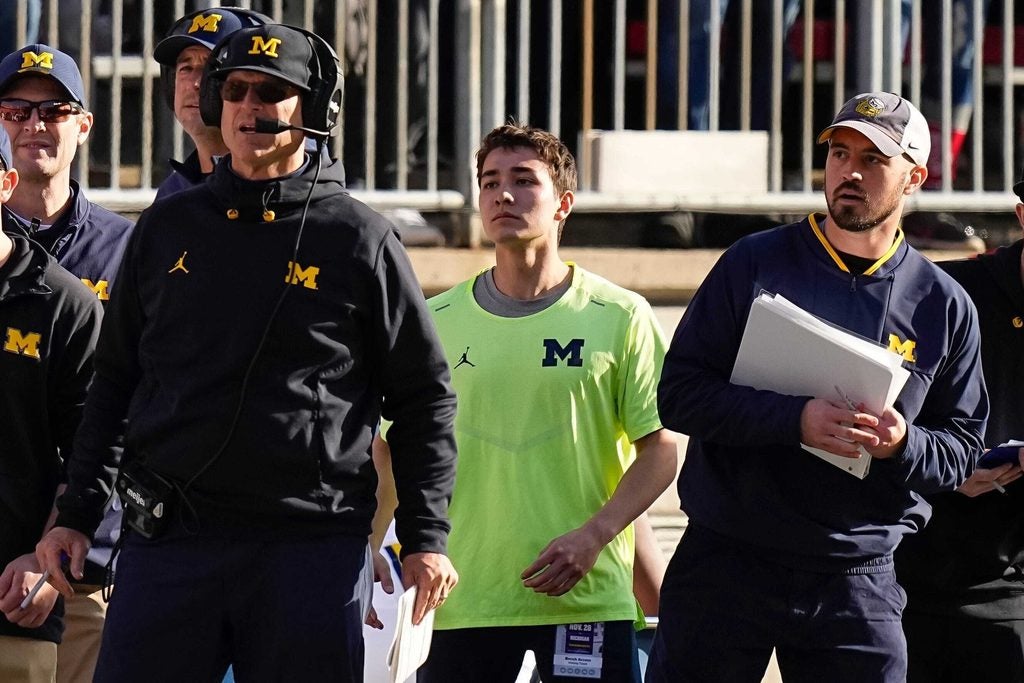
3. Nevin Shapiro scandal remains the ultimate booster cautionary tale, and it nearly cost the Miami Hurricanes everything
College athletics has plenty of cautionary tales about the boosters a program chooses to keep close. However, no example shines brighter than the Miami Hurricanes and Nevin Shapiro.
Shapiro emerged as a significant booster for the University of Miami football program in 2002 and stayed in that role until 2010. Over that eight-year span, Shapiro provided impermissible benefits to at least 72 student-athletes and coaches. Those benefits ranged from cash and jewelry to yacht parties, among other things.
What followed was one of the biggest scandals in college football history, and it left a mark on the Canes that took years to scrub off.
Nevin Shapiro’s Ponzi scheme collapsed, and he took Miami down with him
While Shapiro was spending big around the Hurricanes, he began operating Capital Investments USA, Inc. in 2003, and it was set up as a wholesale grocery distribution business, which the federal government called “fictitious”.
What came out of it was a massive Ponzi scheme, using cash from new investors to pay off what was owed to earlier investors while Shapiro lived a lavish lifestyle.
In April 2010, federal prosecutors and the SEC charged Shapiro with securities fraud and money laundering counts for an approximately $930 million scheme. Shapiro pled guilty, and he was sentenced to 20 years in federal prison. He was also ordered to repay more than $80 million to the victims of his scheme.
So, how did it all come to light?
Approximately two months after his sentencing, in August 2011, Yahoo Sports dropped the bomb on Miami. The outlet put together approximately 100 hours of interview time with Shapiro and dragged every one of those impermissible benefits to coaches and players into the light of day.
The fallout was severe. To avoid a potential death penalty, Miami imposed heavy sanctions on itself, including a two-year bowl ban. That ban even kept the Canes out of the 2012 ACC Championship Game, a painful price for a program trying to climb back into the national picture.
It didn’t end there. The Hurricanes also lost nine scholarships, served a three-year probation period from 2013 through 2016, and acknowledged a lack of institutional control.
The coaching ranks took hits as well. Then-Missouri head coach Frank Haith, who previously led the Miami basketball program, received a five-game suspension. Former Miami receivers coach Aubrey Hill, defensive line coach Clint Hurtt, and assistant basketball coach Jorge Fernandez each received two-year show-cause penalties.
A number of former players, including Olivier Vernon, Jacory Harris, and Sean Spence, served suspensions of varying lengths.
Miami has climbed out of the shadow
Miami already carried the weight of the Pell Grant scandal. The Shapiro saga became the second darkest day in program history, and for a while it was fair to wonder whether the Canes would ever get back to where they once were.
Fortunately, the program has been able to rise above it. Under Mario Cristobal, Miami has returned to a position of relevance on the college football landscape, and it appears to be doing so in a clean fashion.
That’s a credit to how far the program has come. The Shapiro case still stands as a reminder to every athletic department in the country that the people writing the checks deserve just as much scrutiny as the players on the field. – Craig Smith
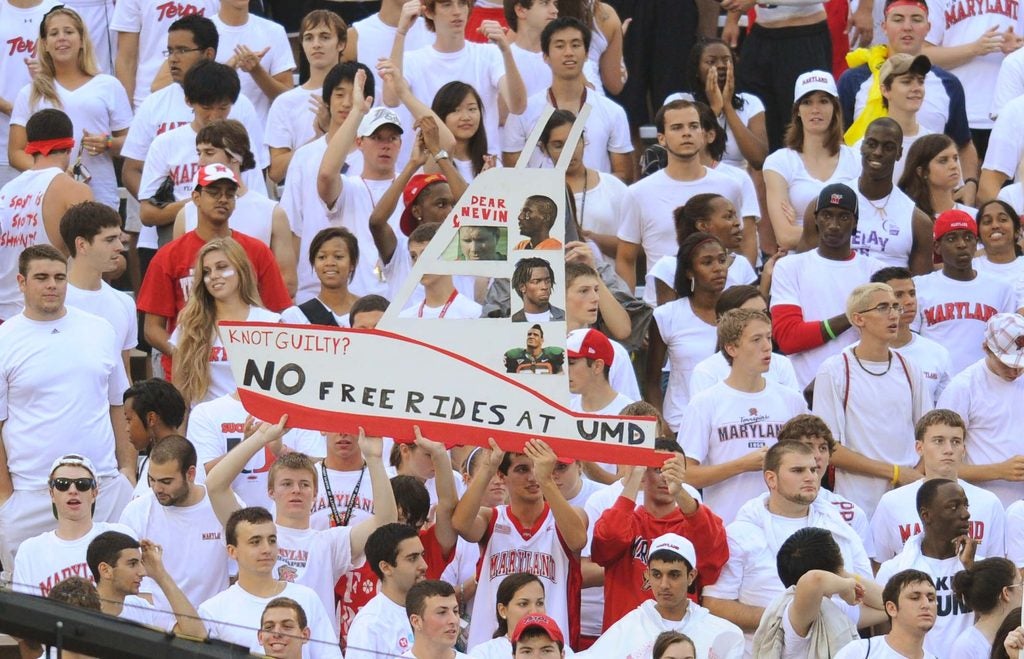
2. Jerry Sandusky’s scandal at Penn State left a rough look on Nittany Lions for some time
The Penn State scandal involving former defensive coordinator Jerry Sandusky became public in November 2011, but the events behind it stretched back years. It remains one of the darkest chapters in college football history. The case reshaped the Penn State football program for some time, the legacy of the late Joe Paterno, and the way the NCAA responds when a university fails to act.
In 2012, the NCAA hit Penn State with a $60 million fine, a four-year postseason ban, scholarship reductions, and the removal of 111 football victories from Paterno’s record. The penalties did lasting damage to Penn State’s reputation. Sandusky served as Penn State’s longtime defensive coordinator under Paterno, the program’s legendary coach. He also founded a charity called the Second Mile, which worked with at-risk children. Prosecutors established that Sandusky sexually abused boys over a period of years. The abuse was connected to several locations, including Penn State’s facilities, Sandusky’s home, and other places where he was able to interact with children.
Penn State’s non-reporting of the incidents stands out
The scandal ultimately centered on Penn State itself. The key questions were what the university knew and how it responded. Back in 1998, authorities investigated an allegation involving Sandusky and a boy. Then in 2001, former graduate assistant Mike McQueary reported seeing Sandusky sexually assaulting a boy in the shower at Penn State’s football facility. McQueary reported what he saw to Paterno, who passed the information to athletic director Tim Curley. From there, it went all the way up the chain. The university did not report the incident to police at the time, and Sandusky was not arrested until 2011 following a separate incident.
This is where Penn State drew the heaviest criticism, for failing to protect the victims and essentially sweeping the situation under the rug. The 1998 investigation was already on record. The 2001-02 shower incident then gave the school all the information it needed to turn over to authorities. Yet Sandusky remained free and continued to interact with children for years before the case finally came to light. Paterno’s standing as one of the all-time great coaches made the situation even more jarring. Nobody expected something like this at a place like Penn State with a coach like Paterno. It left a severe mark on his college football resume. Penn State fired Paterno in November 2011, shortly after the scandal broke. The university also removed its president, Graham Spanier. Paterno died in January 2012. The university later took down his statue, and his legacy has been heavily debated ever since.
Penn State was hit hard with the initial fallout
The 111 victories stripped in the initial penalties were restored in 2014. On the football side, Penn State dealt with a wave of transfers because the NCAA ruled players immediately eligible to leave. Bill O’Brien took over after Paterno, and the school later named James Franklin head coach once O’Brien departed. Penn State announced $59.7 million in settlements for 26 victims in 2013. The sanctions, settlements, and coaching changes all shaped how the program moved forward in the years that followed. This scandal will forever be remembered for university officials failing to report what they knew for years before it finally surfaced. – Brandon Little
1. SMU’s ‘death penalty’ remains the harshest punishment in college football history, and the NIL era makes it look even wilder
College football’s name, image, and likeness era has taken center stage across the sport. NIL was designed to let student athletes profit from their own name, image, and likeness through endorsements and commercial deals. In reality, it has pushed college athletics toward an unspoken pay-for-play model.
That’s a far cry from the landscape 40 years ago, when arguably the biggest scandal in college football history played out in Dallas. The SMU Mustangs remain the only program over the last five decades to receive the dreaded “death penalty” from the NCAA. The punishment came as a result of the program’s ongoing payments to players in exchange for their commitment and play.
Even now, those two simple words still send a chill through athletic departments across the country: death penalty.
How SMU’s pay-for-play scandal began
The scandal traces back to 1976, when SMU hired head coach Ron Meyer to give a flailing program some legs in the Southwest Conference. Meyer found modest success early in his tenure. But led by the “Pony Express” of Craig James and Eric Dickerson, SMU ultimately finished in the top five in 1981-82.
NCAA Investigators began looking into the Mustangs’ relationship with payment to their players under Meyer and it continued with his successor, Bobby Collins, who took over the program in 1982. Things came to a head in 1985, when the program received a three year probation and lost 45 scholarships for recruiting violations.
But the payments didn’t stop there. Following the sanctions, they continued for another two years and totaled approximately $61,000.
The NCAA drops the hammer on the Mustangs
And that was the straw that broke the camel’s back. The NCAA had seen enough. On Feb. 25, 1987, it dropped the death penalty on SMU.
The fallout was staggering:
The entire 1987 season was canceled. – All home games in 1988 were canceled, though SMU was allowed to play its scheduled away games. The probation the program was already on was extended to 1990, with the bowl ban and live television ban extending through 1989. SMU forfeited 55 new scholarships over a four-year period.
Despite being cleared to play its road games in 1988, SMU passed on that opportunity. The Mustangs didn’t return to the field until 1989, when they went 2-9 overall and 0-8 in conference play.
SMU felt the impact for decades
The death penalty had an enormous impact on the program, and it lingered far longer than the sanctions themselves. The Mustangs suffered through losing seasons until 1997, when they finally went 6-5.
A bowl appearance took even longer. SMU didn’t reach a bowl game again until the 2009 season, when it went 8-5 and capped the year with a win in the Hawaii Bowl. That’s more than two decades between the hammer falling and the program getting back to the postseason.
No program has been hit harder or struggled longer from an NCAA penalty than SMU. Given the atmosphere college football lives in today, with NIL money flowing openly, it’s tough to see another program going through anything similar.
That being said, if the NCAA ever needs to point to a penalty it can actually enforce, SMU is living proof of what getting hit hard can do to a program. – Craig Smith
