
Dallas Cowboys’ Broderick Jones trade is one of the most misunderstood deals in recent team history
The Dallas Cowboys’ trade for offensive tackle Broderick Jones has been vastly misunderstood. It’s time to clear things up.


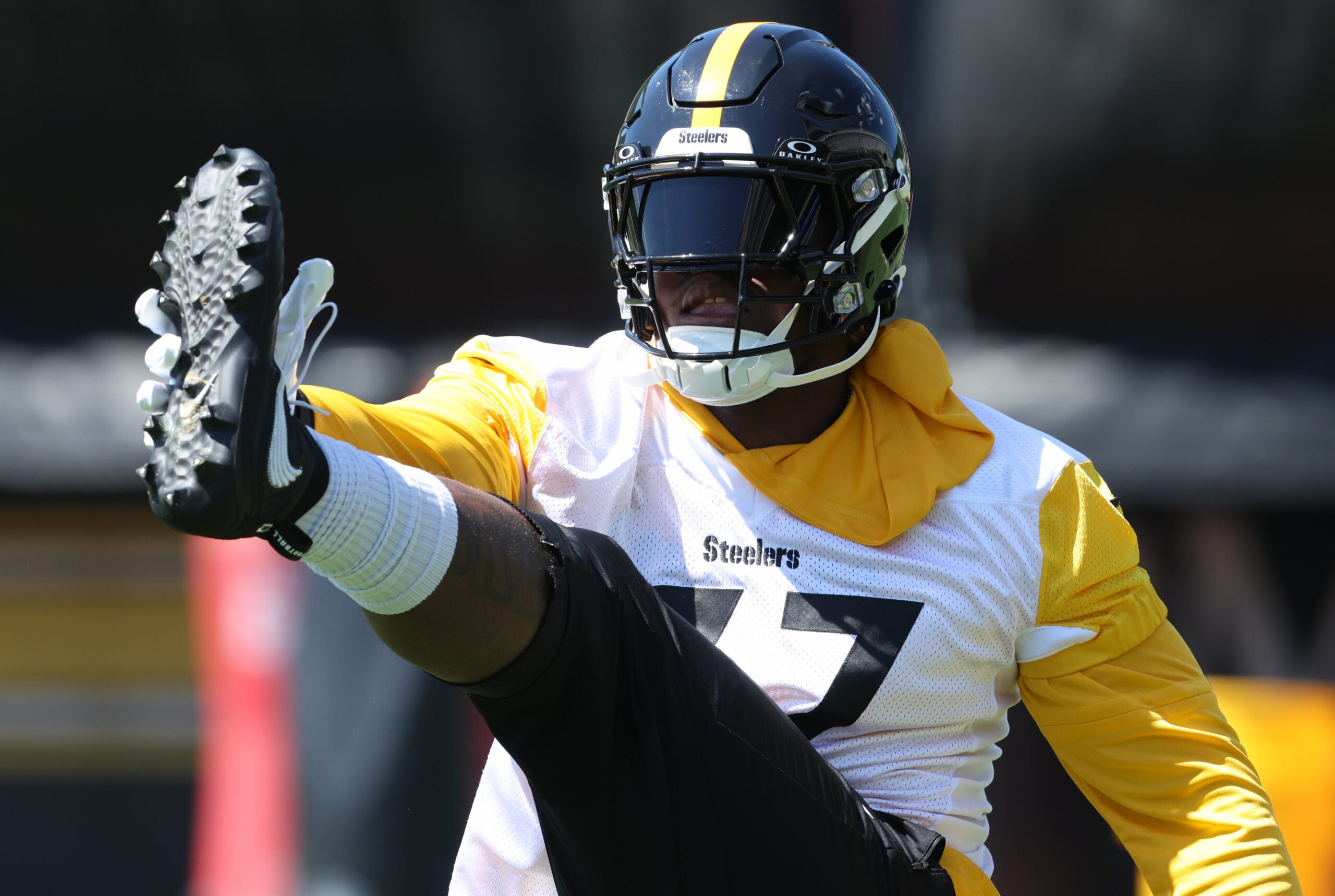
The Dallas Cowboys acquired former first-round offensive lineman Broderick Jones from the Pittsburgh Steelers over the weekend, and the reaction from Cowboys fans has been swift and largely negative.
Dallas sent a third-round pick and a sixth-round pick to Pittsburgh while receiving Jones and a fourth-round pick in return. The backlash centers on two complaints: 1) the Cowboys gave up too much, and Jones hasn’t been good, especially since undergoing neck surgery in the offseason. 2) He was spotted struggling against undrafted rookies in the fourth quarter of preseason games. It’s been rough.
And yet, this trade is far more nuanced than the surface-level criticism suggests. Let’s break it down.
The compensation isn’t as steep as it looks
Don’t get me wrong: giving up a third-round pick is significant. The last time Dallas moved a third-rounder, they did so for George Pickens, who was clearly going to be the No. 2 wide receiver and a significant upgrade at the position. The Cowboys gave up a fourth-rounder for Rashan Gary this offseason, and Gary is going to start at outside linebacker. So the discomfort with the price tag is understandable.
However, ignoring the fourth-round pick coming back in return is where the conversation goes sideways. The Cowboys gave up a third and a sixth while getting back a fourth. Run it through the Rich Hill trade chart and the net value amounts to roughly a fourth-round pick gain for the Steelers. In other words, Dallas gave up about a fourth-rounder’s worth of value for Broderick Jones, all things considered.
As for the sixth-round pick, the standout sixth-rounders for Dallas since 2011 tell the story: Dwayne Harris, Ryan Flournoy (off to a fantastic start), Donovan Wilson (a starter, albeit with ups and downs), and Anthony Brown, who played cornerback for the Cowboys for years, probably more because of need than because he was a standout. That’s the highlight reel. There are a lot of names on that list you might not even remember.
On top of it all, one day after the Jones trade, the Cowboys flipped offensive tackle Nate Thomas to the Houston Texans for a seventh-round pick. So the draft capital picture shifted again.
Did the Cowboys overpay? It feels like it, but it’s not like they got fleeced. It also feels like they knew they had to pay a premium. Dallas didn’t have many options to address the obvious depth need at offensive tackle, and the team doesn’t have Day 3 picks to work with heading into the 2027 NFL Draft anyway. Sometimes the market dictates the price.
This is not another Kair Elam or Kenneth Murray situation
The loudest criticism draws a direct line between Jones and the Cowboys’ pattern of trying to fix former first-round picks. The Kair Elam trade, the Kenneth Murray trade from last year: same theme, same results. I understand the criticism. Dallas has done this for years, and it’s never worked out particularly well.
The difference here is obvious, though. The Cowboys brought in Elam to start on defense. They brought in Murray to start at linebacker. That is a completely different proposition than acquiring Broderick Jones as a backup with upside. Bringing in a developmental piece is not the same as bringing in a reclamation project because you need him to start or your roster has a hole.
This is more about development than competition
Cowboys head coach Brian Schottenheimer said Broderick Jones will compete with Terence Steele for the starting right tackle job. Are you buying or selling? I’m selling. This is more about a developmental project at a position with short and long-term needs.
Jones is clearly not great right now. You look at the size, you look at how he moves, you look at the athlete he is, and I believe the Cowboys can make him work with time. But I don’t think there’s a serious competition going on ahead of Week 1. Klayton Adams, the former offensive line coach now serving as offensive coordinator, and Conor Riley, one of the top offensive line coaches in college football before being brought to Dallas, know how to develop players.
As a franchise, the Cowboys have done a good job developing offensive linemen over the years, and I’m going to give them the benefit of the doubt.
But Schottenheimer likes to say there’s competition all across the 53-man roster. But come on, CeeDee Lamb is not competing with anyone for his job. Dak Prescott is not competing with Sam Howell at quarterback. Javonte Williams is not competing with Malik Davis for the No. 1 running back spot.
When Schottenheimer says Jones will compete with Steele, it reads as a motivation tactic to have Steele lock in, not a genuine roster battle.This is reminiscent of him saying Nate Thomas was competing with Tyler Guyton to start at LT before declaring the battle over one padded practice into camp.
Concern at RT is evident
That being said, the Cowboys do appear worried about Steele. They asked him to take a pay cut this offseason. A Cowboys coach called him out after the Saints practice for needing to be more consistent. Long-term, Steele is not someone Dallas is betting on. Jones gives you a backup right tackle in a pinch (probably an upgrade over Thomas), plus someone with genuine upside. Thomas may have already shown you his ceiling. Jones is a super athlete with a glimmer of hope still attached.
When you combine all of it, the compensation is more palatable than it sounds, the comparison to past reclamation projects doesn’t hold, and the supposed competition with Steele is more about messaging than reality. This is a development bet, not a starter bet. And when you frame it that way, the trade looks a little bit better than it does at first sight.
