
Packers make the inevitable roster decision with Micah Parsons as training camp begins
Green Bay placed Parsons on the PUP list to start training camp, what the roster move means for the team’s plans.

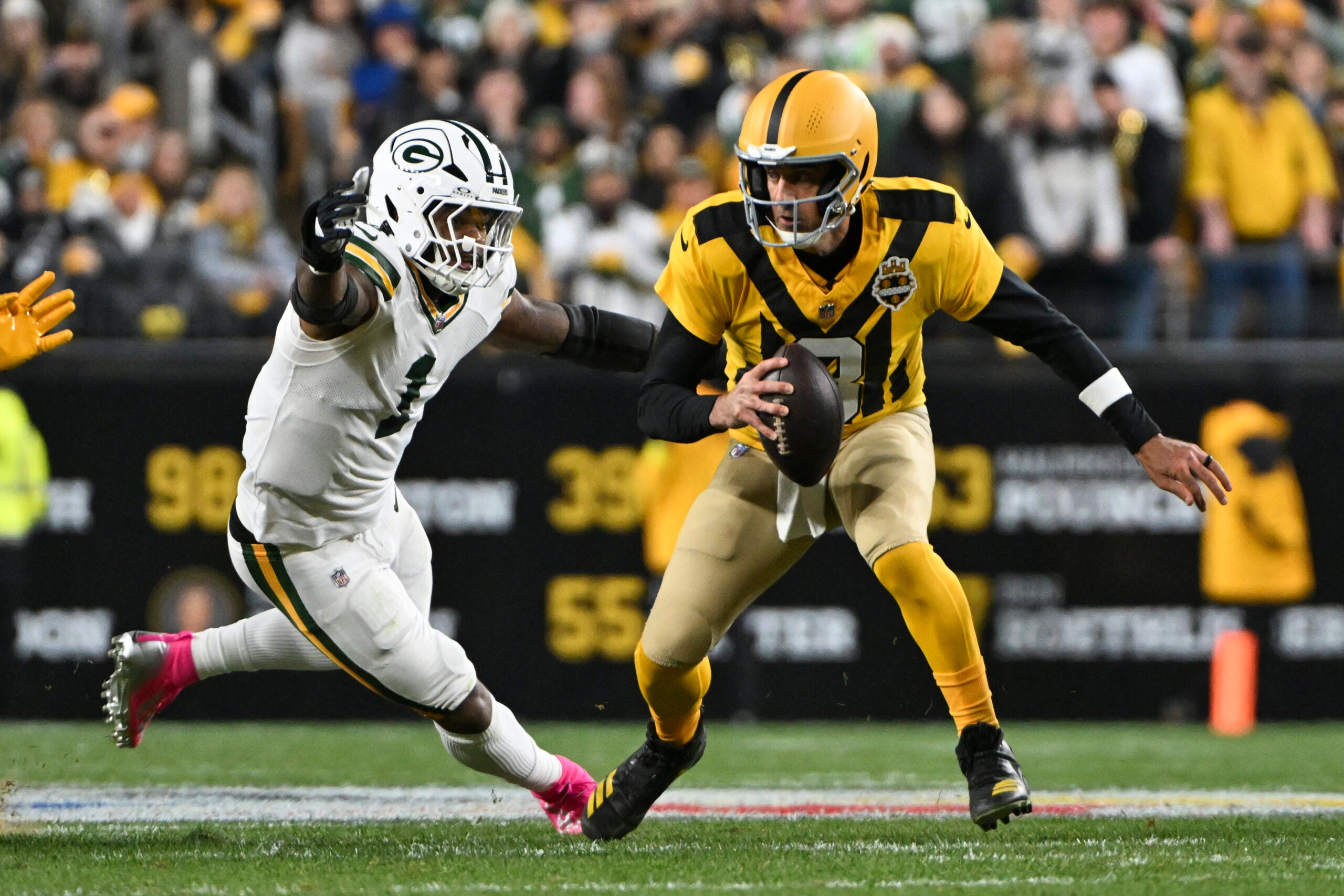
The Green Bay Packers placed edge defender Micah Parsons on the physically unable to perform list as training camp opened, a move that was expected given his torn ACL recovery timeline.
The Packers’ decision to start Parsons on PUP/active protects the franchise’s long-term investment while keeping the door open for a return later in the process. Green Bay gave up significant capital to acquire Parsons, and the organization has no intention of rushing him back. So, let’s discuss what PUP means, why it matters, and when Parsons could realistically return to the field.
How PUP works during training camp
Each year when players report to training camp, they must pass a physical to practice with the team. If a player cannot pass that physical, he is placed on the PUP/active list. He remains part of the 90-man roster but cannot practice until he is cleared and activated.
The distinction becomes meaningful when the team builds its initial 53-man roster. At that point, a player on PUP/active has two paths: he can pass a physical and join the 53, or he can be moved to the PUP/inactive list.
A player placed on PUP/inactive is forced to miss at least the first four games of the regular season. However, under new rules, he can begin practicing after Week 2, giving the team a window to ramp him up before activation.
There is a procedural wrinkle worth noting. If a player passes a physical at any point during training camp and then suffers an injury, the team cannot place him on PUP anymore. The only option would be injured reserve. That distinction matters because PUP/inactive offers a shorter return to practice window. Players on PUP can start practicing after just two games, which creates a faster path back to the field.
The Packers also placed other players on PUP/active to open camp: tight ends Tucker Kraft and Luke Musgrave, guard Aaron Banks, defensive tackle Javon Hargrave, and cornerback Kamal Hadden. Running back Chris Brooks in on the non-football injury (NFI) list.
That does not necessarily mean those players will miss regular season time. It simply means they are not ready to practice on Day 1 and can be activated whenever they are cleared.
Parsons’ injury timeline
Parsons suffered a torn ACL on Dec. 14 against the Denver Broncos, underwent knee surgery in late December, and also had a cleanup procedure on his meniscus. The combination of the ACL tear and meniscus work makes this a more complicated recovery than a clean ACL reconstruction.
The Packers operate with a clear internal rule. Players recovering from ACL surgery plus something else are not permitted to return until nine months after the procedure. That timeline pushes Parsons’ earliest return to late September, which means he will miss at least the first three games of the regular season. Given the expectation that he will start the year on PUP/inactive, a four-game absence is essentially the baseline.
It remains unclear exactly when Parsons will return, though he is progressing well and on the expected timeline in his recovery.
The Packers gave up substantial draft capital to acquire Parsons a year ago, and he remains a fairly young player they view as a cornerstone of the defense for years to come. Rushing him back to meet an arbitrary Week 5 target would contradict everything the organization has demonstrated about handling serious injuries.
Green Bay’s front office and coaching staff have consistently erred on the side of caution with ACL recoveries. If Parsons needs more than four games, the Packers are prepared to wait. The priority is ensuring he returns fully healthy rather than accelerating the timeline and risking a setback.
The PUP placement is part of a routine training camp procedure, not a cause for alarm. Parsons will work through his rehab progression, and Green Bay will activate him when the medical staff is confident he can perform at full capacity.
