
NFL analyst makes a strong case for the Vikings to be aggressive at the NFL trade deadline in an unintentional unique way
The Minnesota Vikings are expected to be very active at the NFL trade deadline, with multiple positions being their target. Vikings head coach Kevin O’Connell has said that he has a lot of confidence in general manager Nolan Teasley and his staff. “I think it’s important that I got a lot of confidence in this […]


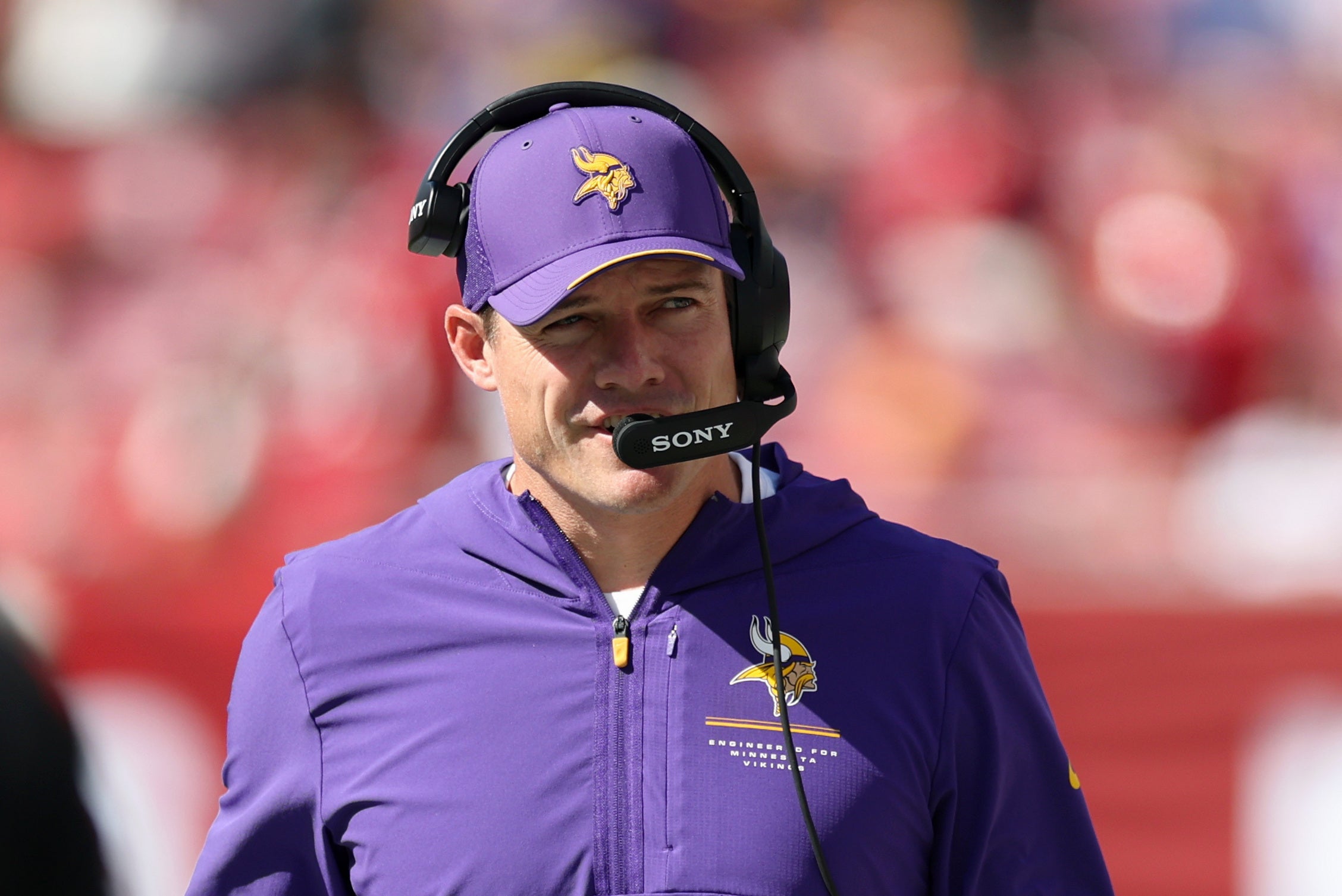
The Minnesota Vikings are expected to be very active at the NFL trade deadline, with multiple positions being their target. Vikings head coach Kevin O’Connell has said that he has a lot of confidence in general manager Nolan Teasley and his staff.
“I think it’s important that I got a lot of confidence in this team right now, and I also have a lot of confidence in Nolan and his staff,” said O’Connell. “I know it seems like it’s months and months and so many months away, but to give him a really powerful draft to be able to really put his imprint on this team, I think is important too. So we’re going to have to really gauge what’s best for our team in the present day, and that’s with a lot of confidence in our group. But also, it feels crazy to say this as the coach. I want to make sure that we’re as smart as possible, just because I have so much confidence in what that group and Nolan specifically are going to be able to do when it comes time to add to our team in the off-season.”
Both sides of that conversation make sense. A team can justify being aggressive at the deadline, and it can also justify sitting back and protecting its draft capital. However, a point from NFL.com draft analyst Lance Zierlein could tip the scales toward the more aggressive approach.
The 5-for-5 rule could thin out upcoming NFL draft classes
Zierlein pointed out that this draft class and the next couple may not be nearly as strong as previous years. The reason comes down to two changes in college football: the advent of NIL and the new 5-for-5 rule, which lets players compete for five seasons no matter what.
Because the 5-for-5 rule was just put in place, everyone who was a senior this year now has the opportunity to stay one more season. That changes the math for a lot of prospects.
If you are a fringe Day 2 or Day 3 pick, would you rather take your chances in the NFL draft or stay in college for another year? Staying means more development and a payday often upwards of $1 million. Those are the decisions these players are working through right now, and they create a new dynamic for how the draft will look. Third-round picks will be used on players who would normally go in the fifth round. That makes day three especially less valuable.
The draft will eventually balance out, and players will start coming out in normal waves again. Prospects who are projected as first-round picks are still going to declare early. The concern is the depth of the class.
We may not see solid depth for another three to four years. It will take that long to get far enough removed from the start of the 5-for-5 era for the third, fourth, and fifth rounds to fill back up with quality players.
The intrigue lies in what that means for the Vikings’ draft capital. If there isn’t going to be much depth in the middle and late rounds, those picks lose some of their value as roster-building tools. Minnesota might be better off packaging multiple fifth- and sixth-round picks, and possibly one of its third-round picks, to improve a roster that needs help right now.
That leads to a familiar name. The idea of trading for Indianapolis Colts running back Jonathan Taylor is going to ramp up even more after the Vikings just beat the Colts 16-10.
Those selections could help land Taylor, who would address a position that has been an issue in Minnesota since Dalvin Cook wore down during the 2022 season. The Vikings haven’t had a true workhorse back since then, and Taylor would give the offense a different dimension.
That doesn’t mean the Vikings should throw away their entire draft class. Spending all of your capital to chase one season is rarely a sound process, especially with a front office that is trying to build something sustainable. Teasley’s first class matters, and O’Connell made it clear he wants to give him the tools to get it right.
The data still suggests a middle ground. If the next few draft classes are thin on Day 2 and Day 3 talent, using some of those picks to fortify the roster this season could bring more value than holding them for next spring. Whether Minnesota actually pulls the trigger is another question, but the case for a calculated swing has rarely been stronger.

