
Narrative around Jaxson Dart is overblown, but it still offers a valuable lesson for the Giants quarterback
Young quarterback has been to the blue medical tent several times throughout his NFL career, but he was only diagnosed with one concussion.


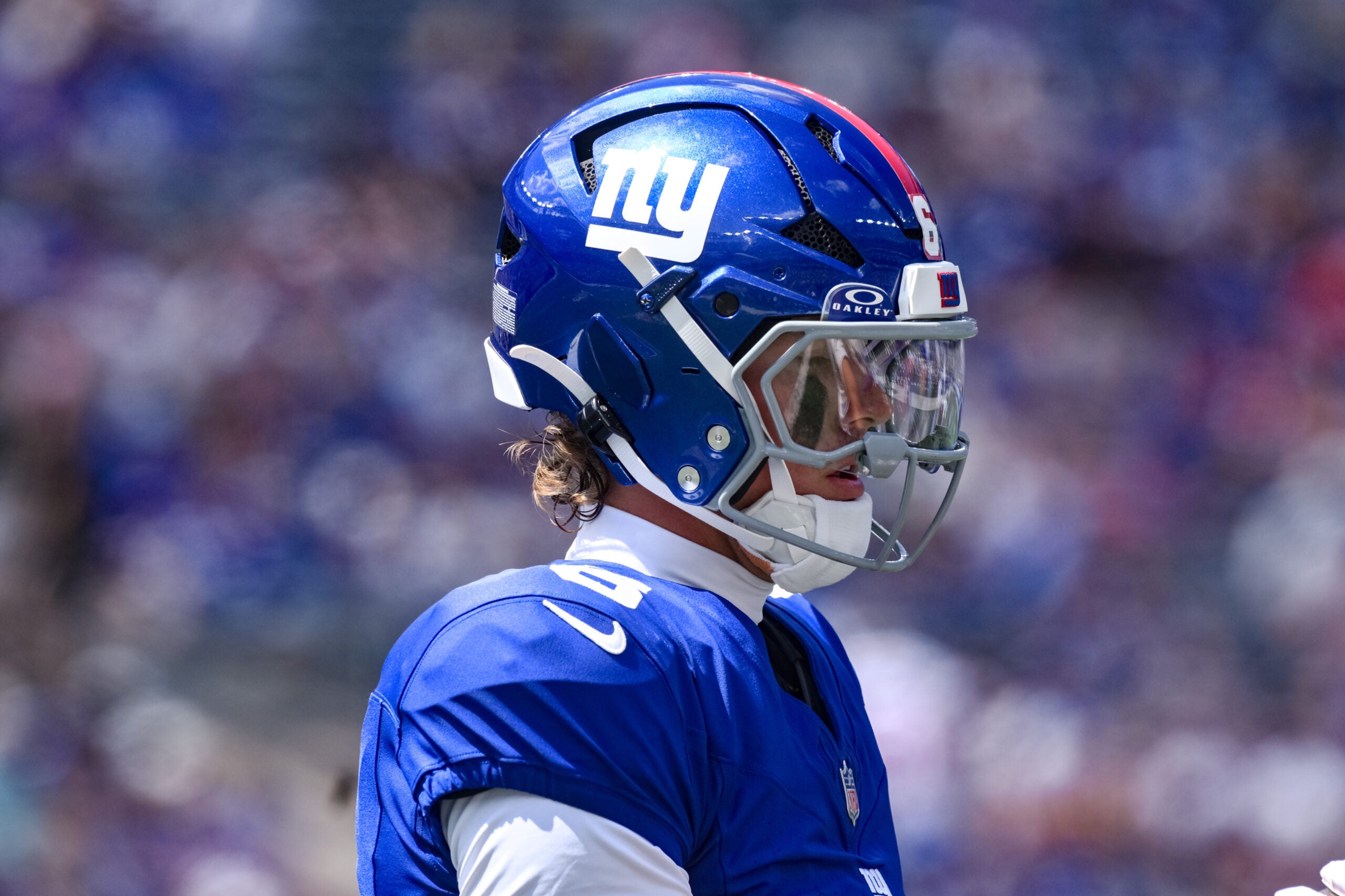
The New York Giants lost to the Minnesota Vikings 13-10 in their preseason opener, but the biggest talking point had nothing to do with the final score. Giants quarterback Jaxson Dart was once again sent to the blue medical tent for a concussion evaluation after suffering a hit early in the game. Counting preseason, Dart has made a trip to the medical tent in 43% of his career starts, and the narrative around his durability has taken on a life of its own.
The numbers need context
The concern is understandable on the surface, but the reality is far less alarming than the raw percentage suggests. Of the several times Dart has been sent for concussion evaluation during his young NFL career, he was only diagnosed with a concussion once. That came in Week 10 of his rookie year against the Chicago Bears, and he missed the following two games (against the Green Bay Packers and Detroit Lions) because of it. Every other trip to the tent ended with clearance to return.
The NFL’s concussion protocols are designed to err on the side of caution, and Dart has passed those evaluations repeatedly. Treating him as a concussion-prone quarterback based on the frequency of evaluations rather than actual diagnoses is a stretch. Dart spoke about the situation after Saturday’s game.
“I’m still puzzled by it, just feeling like every time that I get hit I find my way in there,” Dart said.
He also expressed respect for the NFL’s approach to player safety. Concussions were a deeply sensitive topic a decade or so ago, and the league has made significant strides in ensuring players don’t continue competing under brain injuries. That’s a net positive for the sport.
The real takeaway for Dart is about the future
The medical tent narrative shouldn’t define Dart, but the frequency of these evaluations does point to something worth addressing. The lesson here is about self-preservation.
Dart is an athletic, dual-threat quarterback who tries to extend plays and gain that extra yard. That competitiveness is part of what makes him valuable to the Giants, but it also puts him in harm’s way more often than necessary. The play against the Vikings was a case where Minnesota defensive coordinator Brian Flores sent a blitz Dart didn’t see, so it wasn’t entirely on him. Still, there are moments where Dart’s instinct to scramble and fight for additional yardage simply won’t be worth the physical toll.
As Dart continues to develop, the natural evolution of his pocket presence should help. A better feel for opposing defenses, quicker recognition of blitzes and extra pressure, and sharper awareness of where hits are coming from will all reduce the frequency of these situations. Hopefully for New York, Dart won’t have to deal with this problem as often as he has through the early stages of his NFL career.
