
Indiana’s non-conference scheduling highlights a growing problem across college football
The Hoosiers are the latest — but not the only — program to soften up their non-conference slate.


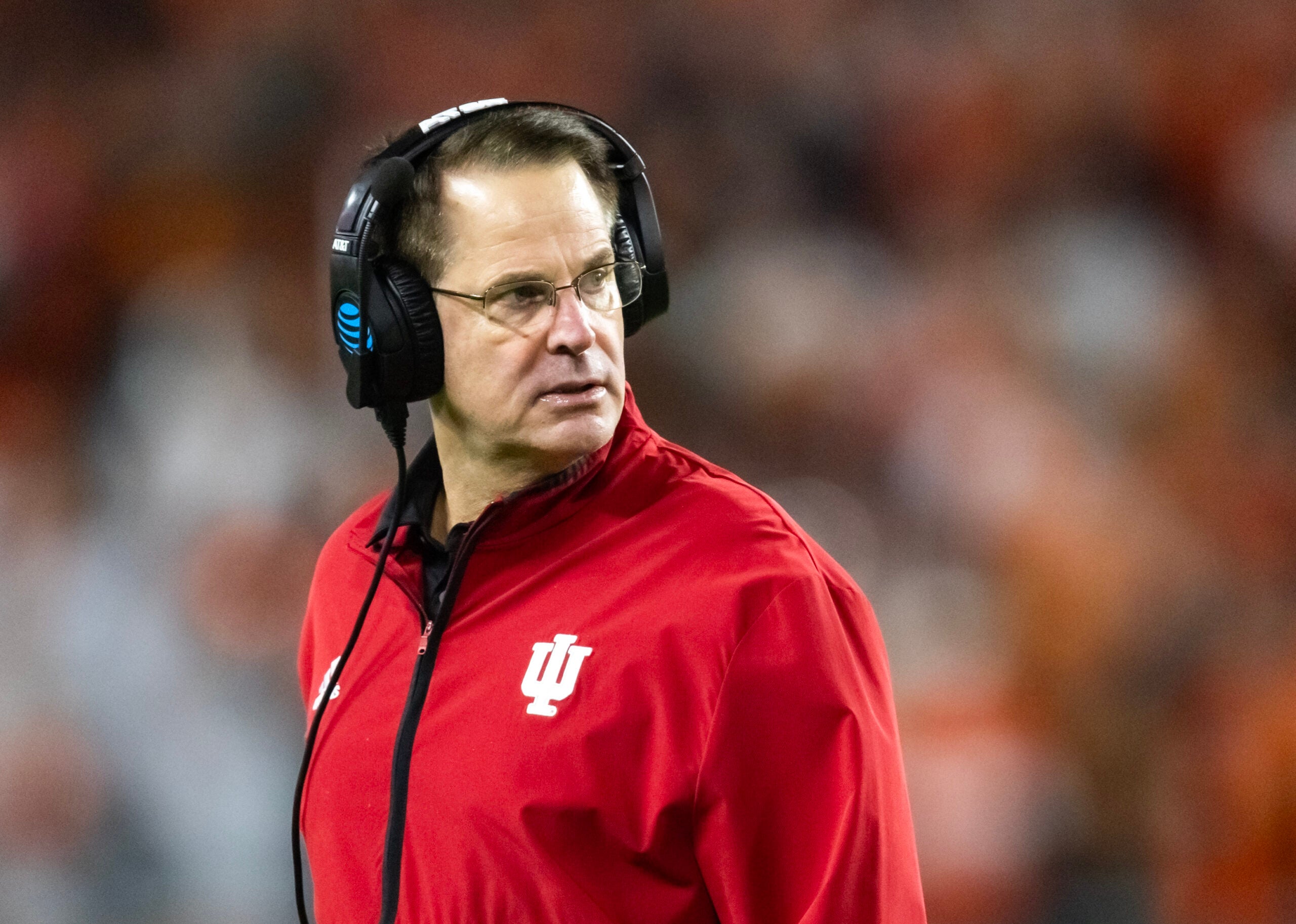
The excitement surrounding Notre Dame and USC reviving their rivalry in 2030 overshadowed a troubling development this week. Indiana dropped its upcoming series with Notre Dame, and the Hoosiers’ future non-conference schedule paints a concerning picture for college football’s competitive landscape.
Consider what Indiana has lined up. In 2026, they play North Texas, Howard, and Western Kentucky. In 2027, it’s Kennesaw State, Indiana State, and UMass. The 2028 slate features Austin Peay, Eastern Michigan, and Miami of Ohio. In 2029, Ball State, Eastern Illinois, and Western Kentucky. By 2030, Indiana has only Indiana State and Delaware scheduled. And in 2032, only UConn.
That is a staggering lack of competitive non-conference opponents for a program that won the national championship last season.
This is bigger than Indiana
To be clear, this is not exclusively an Indiana problem. This is a systemic issue across college football, where programs are scheduling the easiest possible paths through their non-conference slates. The broader discourse around non-conference scheduling deserves scrutiny, because more and more programs are following this trend.
Playing a weak non-conference schedule should not automatically discredit any team. That’s not the argument here, because the system created this growing issue. The real talking point needs to be about accountability and self-imposed standards. Teams that consider themselves national title contenders should hold themselves to a higher bar and want to play competitive opponents outside of their conference.
Before the College Football Playoff existed, before a selection committee decided the field, a difficult schedule carried enormous weight. It often determined who reached the BCS national championship game or who earned the title of national champion. The strength of a team’s resume mattered because there was no 12-team bracket to fall back on.
The CFP committee needs to adapt
Addressing this problem at the institutional level would require the CFP committee to change its evaluation process, which is admittedly asking for a lot. The committee has shown little appetite for penalizing teams that coast through soft schedules, and the current format rewards wins far more than it rewards quality of opponent.
But in the meantime, programs need to stop running away from competition. Scheduling marquee non-conference matchups with programs from different regions of the country does more than strengthen a national championship resume. It shapes the narratives that drive an entire college football season. Those September showdowns between powerhouse programs from different conferences generate the buzz, the storylines, and the atmosphere that make the sport special.
The easier path to the playoff exists, and programs are clearly exploiting it. That does not mean Indiana and others should completely avoid challenging themselves entirely. There’s a difference between strategically managing a schedule and actively ducking competition for half a decade.
