
20 Best Players Who Became the Worst Commentators: The biggest names that hurt their reputation after moving from the field to the booth
There are plenty of former players who have tried to carve out a career in the media after leaving the game of football. Some have had massive success, while others have fallen flat. Who are some of the best players that couldn’t crack the code?


Football is arguably the hardest sport in the world. It takes a lifetime of commitment and blood, sweat, and tears to reach the highest levels of success.
So, naturally, the players that do reach a certain level of success can immediately transition into becoming good, or even great, analysts, right? I mean, if they can produce in-between the sidelines, they should be able to productively chop it up in the broadcast booth or while sitting behind a desk, right?
Well, not so much. Plenty of great and famous players have dropped the ball when transitioning to the media over the years
20. Reggie Bush can’t live up to his electric style of play in front of the camera
Former USC and New Orleans Saints running back Reggie Bush ranks among the greatest running backs to grace college football and the NFL.
As a broadcaster on Fox Sports’ Big Noon Kickoff, however, he fell short. His playing career set a high bar, but his broadcasting career never quite cleared it, and the criticism followed him throughout his time on the Big Noon Kickoff desk.
The New Orleans Saints selected Bush with the No. 2 overall pick in the 2006 NFL Draft. He went on to play for the Saints, Dolphins, Lions, Bills, and 49ers during an 11-season NFL career. Over that span, Bush recorded 5,490 rushing yards, 3,598 receiving yards, and 58 total touchdowns. He was a true dual-threat weapon out of the backfield who could hurt defenses as a runner and as a receiver.
Before New Orleans came calling, Bush spent three college football seasons with the USC Trojans from 2003-05. He finished his college career with 3,169 rushing yards, 1,301 receiving yards, and 38 total touchdowns. That doesn’t even include his prowess as a return specialist, which made him one of the most dangerous players on the field every time he touched the ball.
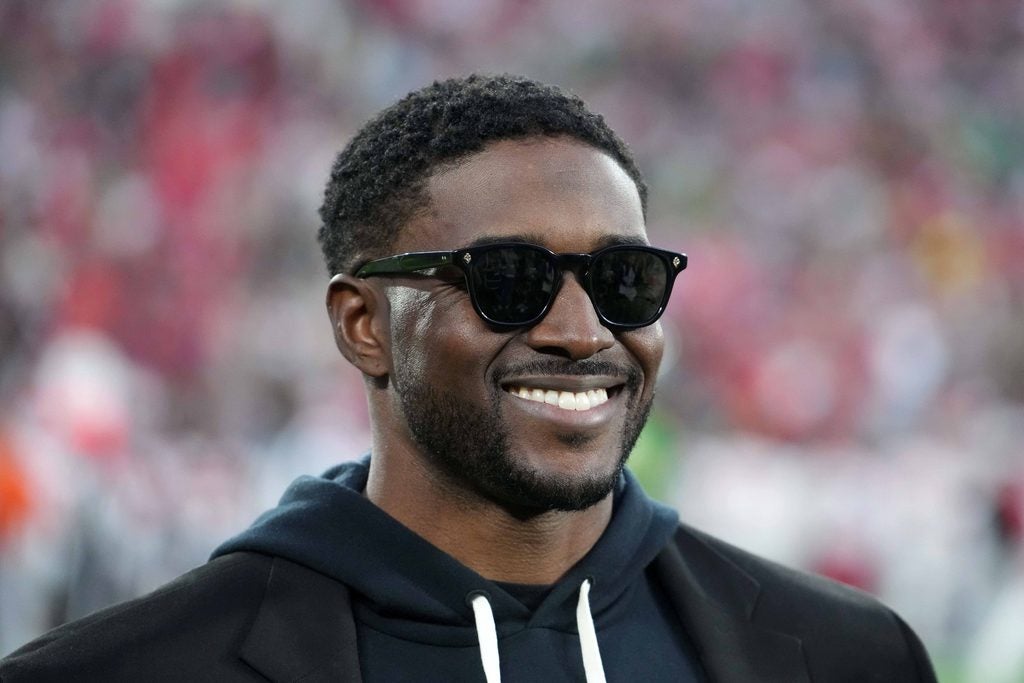
Reggie Bush was bland, at best, when it came to analyzing football
After his playing days, Bush transitioned to broadcasting on Fox Sports’ Big Noon Kickoff. His work drew fair criticism, and several weaknesses in his style stood out. Fans enjoyed the moments when Bush showed natural chemistry with his former USC teammate, quarterback Matt Leinart. Those segments gave the show a genuine feel, with two former teammates riffing on the sport they once dominated together. Others criticized Bush’s style as overly casual. While other analysts on the desk broke down the game in detail, his analysis lacked the same execution and polish that certain other former players brought to the table.
The truth is that great players don’t always make great analysts. Seeing the field at full speed is one skill. Explaining what happened on that field to a television audience in a clear, compelling way is something else entirely. Bush’s legacy as a player remains secure. His run in the studio, however, reminds us that a dazzling highlight reel doesn’t guarantee success once the cameras turn toward the desk. – Charles Goldman
19. Todd Blackledge is an intersting study when it comes to former players joining the media
You could argue that Todd Blackledge’s entry is better described as a worst-players-to-best-announcers situation. Yet, any quarterback who leads his team to a national championship was a good player at some point in his career. His professional resume tells a different story, though, and it’s his work as a college football color commentator that has defined most of his public life.
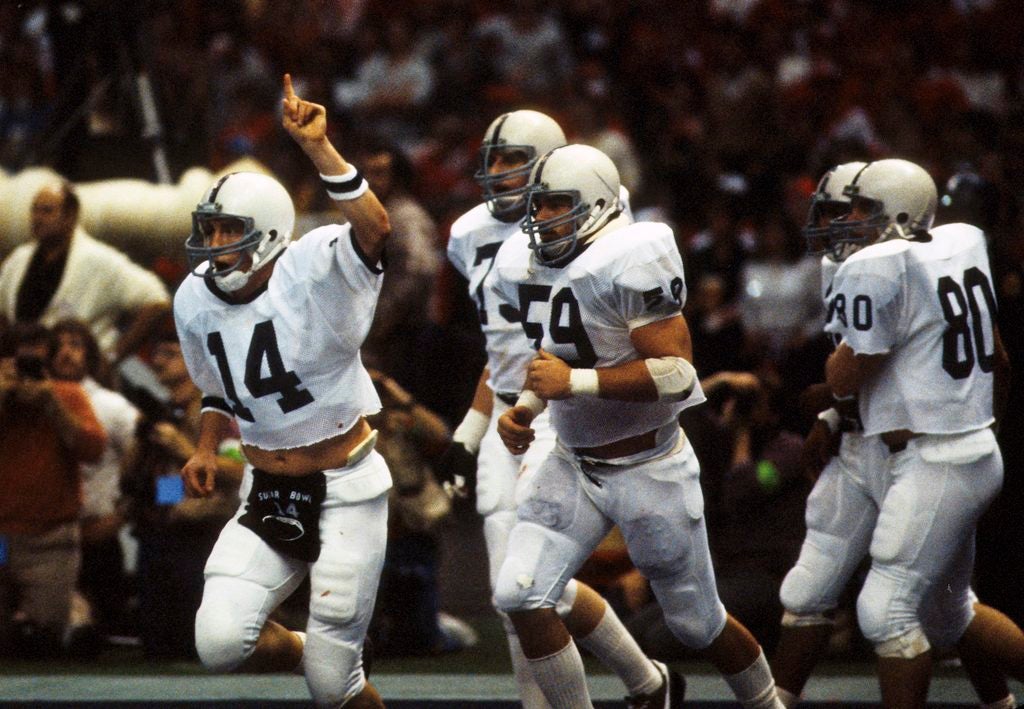
Todd Blackledge’s successful college career led to high expectations in the NFL
Blackledge played college football for the Penn State Nittany Lions from 1980-82. During that stretch, he led the team to a 31-5 overall record and the 1982 national championship. He appeared in 33 games for Penn State, completing 341 passes for 4,812 yards, 41 touchdown passes, and 41 interceptions. That touchdown-to-interception ratio isn’t pretty by modern standards. Still, a title run carried plenty of weight with NFL evaluators.
That performance made Blackledge the 7th overall pick in the 1983 NFL Draft. Expectations for a top-10 quarterback are always high, and the Chiefs needed him to become a long-term answer under center. He never lived up to that billing. Blackledge appeared in just 46 career NFL games with 29 starts. He completed 424 passes for 5,286 yards, with 29 touchdown passes and 38 interceptions. For a first-round quarterback, those numbers fall well short of what the team hoped to get from its investment.
Blackledge’s media career was much better, although holes exist in his game there, as well
Blackledge found his footing after his NFL career ended. He moved into broadcasting as a color commentator for ABC Sports and CBS Sports. He also spent a long run at ESPN from 2006 through 2023 alongside play-by-play voice Sean McDonough. More recently, Blackledge joined NBC Sports for its Big Ten coverage. He works alongside play-by-play announcer Noah Eagle.
Few bones are left to pick with Blackledge’s work in the booth. He can come across as bland and uninspired at times. He isn’t the most animated or exciting color commentator in football, and viewers looking for big reactions on big plays won’t always get them.
To be fair, not every analyst needs to be the hype man. Not everybody has to get emotional or excited when a game swings. Blackledge brings a veteran presence and the perspective of a former quarterback, and it shows in his analysis throughout a game. Insightful is the word I’d use to describe him. Pairing him with someone like McDonough or Eagle lets each person stick to his strengths. The play-by-play announcer handles the energy, and Blackledge handles the breakdown. – Charles Goldman
18. Joey Galloway’s on-field resume speaks more than his time as a broadcaster
Joey Galloway is another former college football star who found a second career in sports broadcasting after hanging up the cleats. The former Ohio State standout, first-round pick, and 16-year NFL veteran built a playing resume at both levels that earned him plenty of credibility in the football world.
His transition to television with ESPN has been more of an up-and-down ride. Critics have often raised questions about the quality and impact of his commentary, and those questions haven’t gone away during his time on the network’s college football coverage.
Joey Galloway built a strong playing career at Ohio State and in the NFL
Galloway played for the Buckeyes from 1991 to 1994. He racked up 894 receiving yards and 19 touchdowns and was a two-time All-Big Ten selection in Columbus. The Seattle Seahawks then drafted him in the first round of the 1995 NFL Draft.
He made an immediate impact in Seattle with more than 1,000 receiving yards as a rookie. From there, Galloway carved out a long career that took him to six NFL teams. He finished with 10,950 receiving yards and 77 touchdowns, numbers that put him among the more productive receivers to come out of Ohio State.
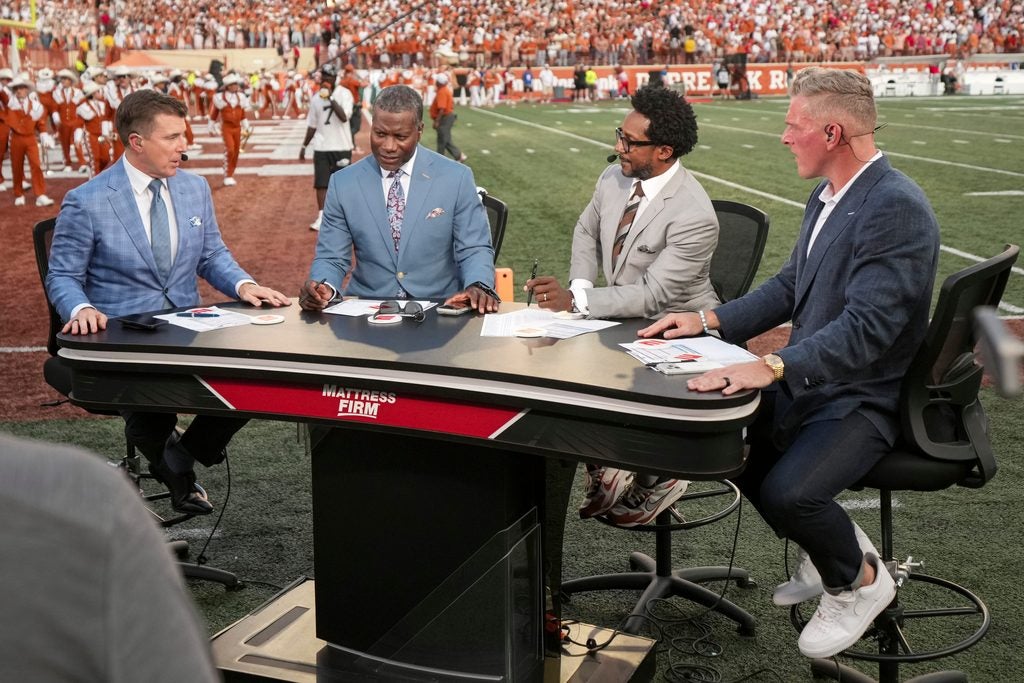
Kirk Herbstreit helped open the door at ESPN
Former Ohio State teammate Kirk Herbstreit helped open the door for Galloway to land at ESPN in 2011. Galloway originally worked as a game analyst before moving into a full-time studio role in 2016.
He’s been a regular presence on ESPN’s college football coverage since then. Galloway appears on pregame, halftime, and postgame programming, along with the network’s College Football Playoff coverage. That’s a lot of airtime for one analyst, and it puts him in front of a big national audience every fall.
Still, a strong playing career doesn’t automatically translate into being entertaining or insightful on TV. Galloway has never really built a broadcasting personality that’s easy for viewers to latch onto. He doesn’t often take strong stances or push hard opinions on the biggest storylines of the week.
As a result, he’s been one of the quieter voices in national college football coverage. There’s always been a question of how much value he’s bringing to the broadcast compared to the analysts sitting next to him. Plenty of former players have made the jump to television, and the ones who stick out usually bring a distinct voice that viewers either love or argue with. Galloway has mostly stayed in the middle.
To me, Galloway is another former player who likely has his job because of what he did on the field. He is a capable broadcaster, but it’s hard to say he would be in this position without Herbstreit’s help and the career he put together with the Buckeyes and in the NFL. – Brandon Little
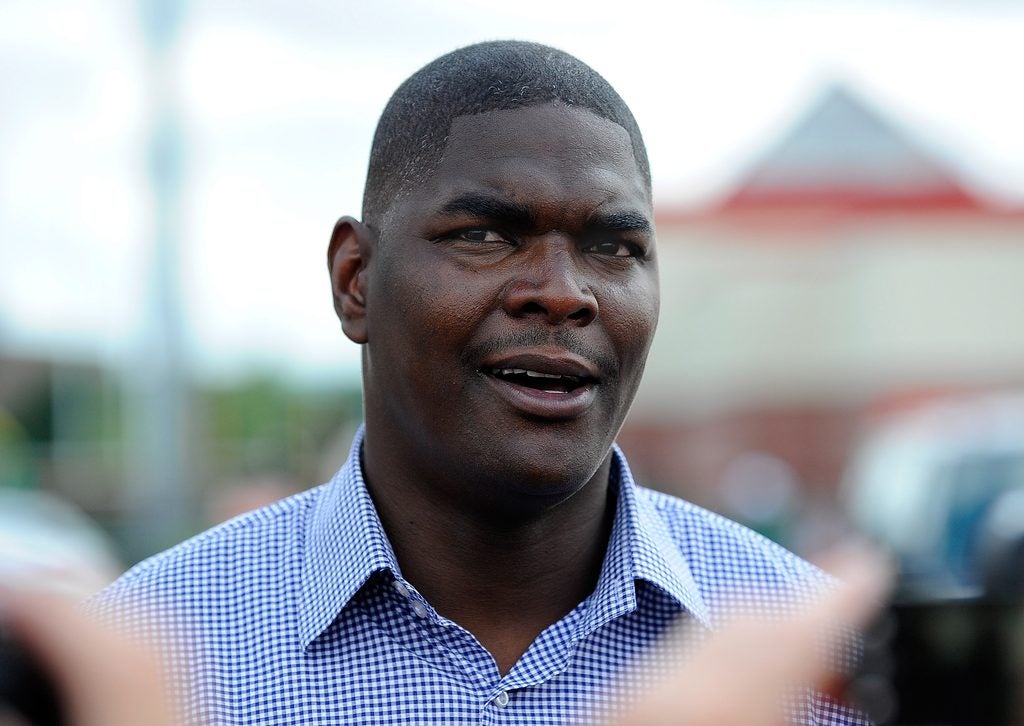
17. Former Pro Bowl WR Keyshawn Johnson’s ESPN run proves having strong opinions and delivering NFL analysis are two different things
Keyshawn Johnson was one of the NFL’s biggest star wide receivers during his playing career, and he’s never been shy about sharing his opinion.
That’s exactly why ESPN saw him as a good fit for television when he announced his retirement nearly 20 years ago. The network brought Johnson on as an NFL analyst, and he went on to appear on several of its biggest programs, including Sunday NFL Countdown and Monday Night Countdown.
A former star receiver with a big personality and a willingness to say whatever is on his mind? On paper, that’s the kind of hire any network wants.
The problem is that having a strong opinion and being able to deliver insightful analysis are two very different things.
Keyshawn Johnson drew criticism early in his ESPN career
The former Pro Bowl wide receiver drew criticism early in his broadcasting career for commentary that came across as shallow instead of insightful.
One example stands out above the rest.
The Los Angeles Times’ Chris Foster poked fun at Johnson’s analysis of former first-round quarterbacks JaMarcus Russell and Brady Quinn. Instead of breaking down what either player did well (or didn’t do well) on the field, Johnson focused on how good-looking Quinn was and his nice hair.
That’s the kind of take you’d hear from a guy at the end of the bar during a Sunday afternoon.
Diehard football fans don’t watch pregame shows just to hear somebody yell. They want to learn something. They want to know why a quarterback is struggling, what a defense is doing to take away a top receiver, or how a team plans to attack a matchup on Sunday.
A strong opinion can be part of that. Some of the best analysts in the business have strong opinions. But those opinions are backed up by film, by experience, and by actual football reasoning.
Without that foundation, an opinion is just noise. And Johnson’s commentary too often fell into that category.
Keyshawn Johnson stuck around, but never became a go-to voice
To his credit, Johnson was with ESPN for over a decade. He managed to stick around despite his lack of insightful analysis.
But he was never someone who was considered a go-to analyst for diehard football fans.
When those fans wanted real breakdowns of what was happening on the field, they certainly weren’t turning to Keyshawn.
Johnson’s run at ESPN should serve as a lesson for networks hiring former stars. A big name and a loud voice can get you in the door. Keeping viewers who care about the game takes a lot more than that. – Zach Ragan
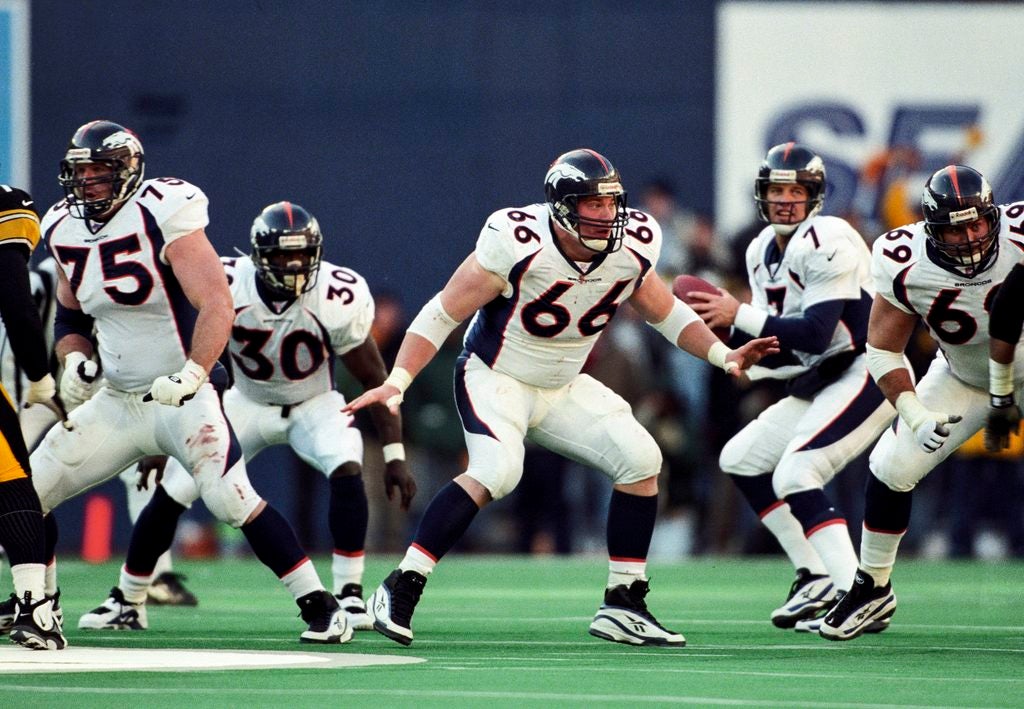
16. Mark Schlereth’s commentary doesn’t come close to matching his Pro Bowls and Super Bowl rings
Mark “Stink” Schlereth was one of the NFL’s best offensive linemen when he played for the then-Redskins and Broncos, earning three Super Bowl rings and two Pro Bowl nods from 1989-2000.
His media career hasn’t fared as well, however. Schlereth constantly gets certain elements of games wrong during broadcasts, or disagrees with certain outcomes, when they are clearly the opposite of whatever it is he’s saying.
Schlereth has also rubbed people wrong by dismissing modern day tendencies/strategies, including the usage of analytics. He once said he “hates” all analytics people and has often referred to the analytics community as “nerds” and not in a playful or tongue-in-cheek manner.
Schlereth will argue with fans, too. The most recent instance occurred back in September when a Raiders fan called him out on X for what he deemed as strong bias against Las Vegas. Schelreth fired back stating the fan “would like me to glaze your team”, demonstrating a sense of tone-deafness instead of looking inward.
Schelreth and his broadcast partner, Chris Meyers, are frequently rated at the bottom of Awful Announcing’s media poll, as well. In fact, they received the most Fs last season, with 198, and an overall score of 1.41 out of 4.
That alone proves Schlereth’s faults and that he may want to take some of the criticism he receives seriously in order to improve the quality of his analysis. – Evan Winter
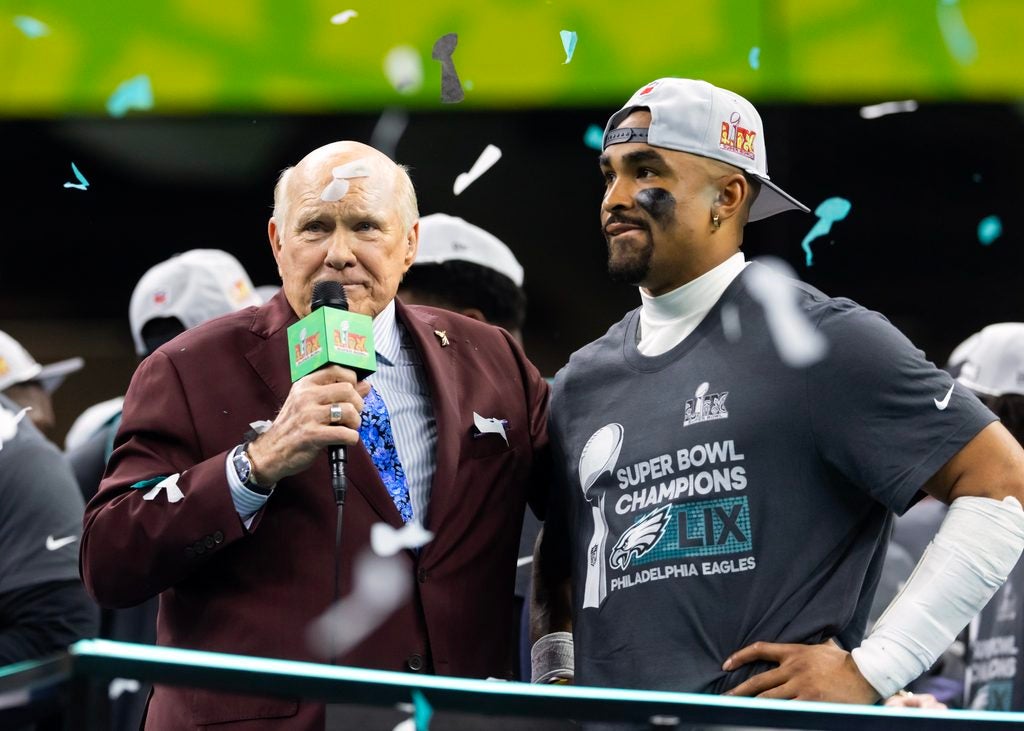
15. Terry Bradshaw’s FOX broadcasting career doesn’t come close to matching the highlight reel from his Hall of Fame playing days
Terry Bradshaw is one of the greatest quarterbacks in NFL history. He’s a Hall of Fame player and a legendary figure in football.
Unfortunately, being a great quarterback doesn’t automatically make someone a great broadcaster.
Bradshaw joined Fox in 1994 and has been a fixture on Fox NFL Sunday for more than three decades. He’s one of the most recognizable personalities in football coverage, but his work as an analyst has produced plenty of odd moments over the years.
Terry Bradshaw has a habit of leaving the Fox NFL Sunday crew confused
Bradshaw has a tendency to make strange comments that leave his fellow analysts scrambling to figure out how to respond.
Sometimes it’s an awkward joke. Other times, it’s a comment that makes viewers wonder exactly what he was trying to say (or what games he’s been watching).
Bradshaw will say something, the rest of the studio goes quiet for a second, and then somebody has to steer the conversation back on track.
One memorable example came after one of the Kansas City Chiefs’ Super Bowl wins. Bradshaw made headlines for joking about Chiefs coach Andy Reid’s weight during the trophy presentation. Bradshaw later apologized for telling Reid to “waddle over” and “have a cheeseburger.”
It’s not unusual for several bizarre Bradshaw moments to go viral each season.
He’s a Hall of Fame quarterback, and his place in NFL history is secure. You don’t last more than 30 years on a network show without bringing something to the table, either. His big personality and name recognition are a big part of why Fox has kept him around for so long (despite the weird moments).
Bradshaw’s playing career is full of moments fans still talk about with admiration. His broadcasting career has plenty of moments fans talk about too, just for very different reasons.
Bradshaw will always be a legend of the sport. That reputation was built on the field, though, not behind the desk on Sunday mornings. – Zach Ragan
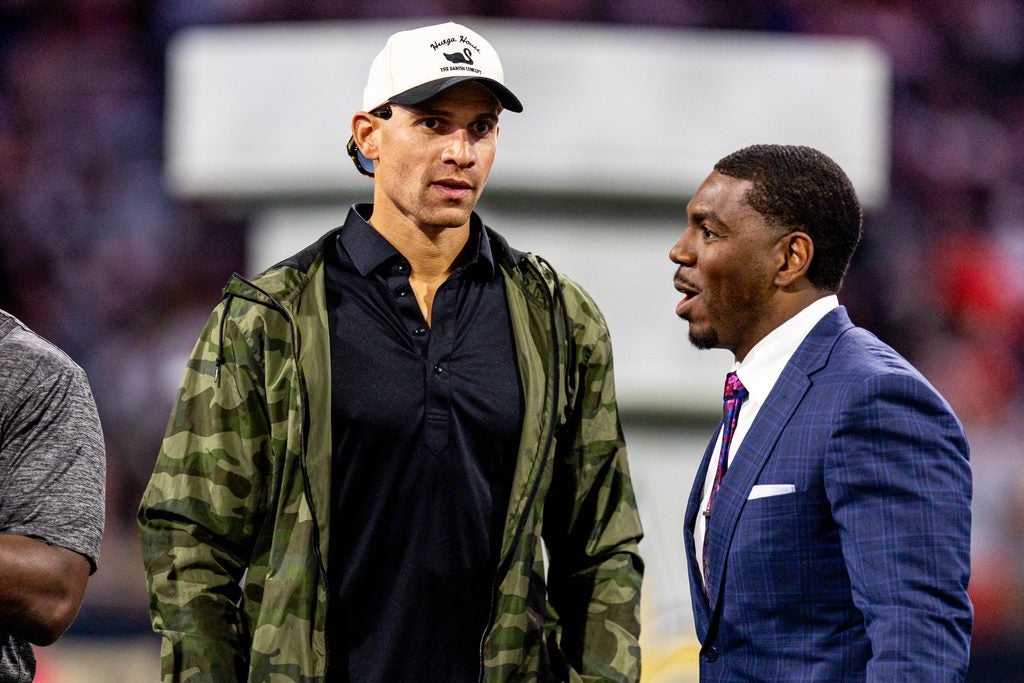
14. Jonathan Vilma is constantly getting shredded by fans because of his inability to produce quality analysis on a consistent basis
Vilma was one of the best linebackers in college football during his years at Miami and that certainly translated over to the NFL, where he earned Defensive Rookie of the Year honors, three Pro Bowl nods, and a Super Bowl ring.
He retired in 2013 and his media career began in 2015. He started off with NBC/NBCSN, working as a pregame and halftime analyst for Notre Dame. He then moved to ESPN/ABC in 2016 before joining his current employer, FOX Sports in 2020.
Jonathan Vilma’s color commentary often lacks substance and accuracy
Since then, Vilma has developed quite the reputation and it’s not a good one. His color commentary is often bland and he doesn’t go very deep when it comes to explaining on-field developments and why/how they happened.
Plenty have accused him of Saints bias, which is the team he won the Super Bowl with. He often props them up when it’s uncalled for and if the other team has success, it’s because the Saints did something wrong instead of the other team doing something right. And so on and so forth.
His delivery can be awkward, too. He’ll trip over words, mispronounce/mislabel players, and his takes are inaccurate more than they are accurate. – Evan Winter
13. Warren Sapp’s NFL Network exit proves football greatness doesn’t always translate to the broadcast booth
Warren Sapp’s success in football? Let’s just say it did not follow him into the broadcast realm. When his playing days ended, he did what so many big names before him have done and moved into television. Sapp landed at NFL Network, where he spent nearly a decade as part of the league’s in-house broadcast operation.
Then NFL Network fired him in 2015. His time in front of the camera wasn’t short. But Sapp’s broadcasting career is remembered for how it ended, not for anything he said on air.
Warren Sapp’s arrest was the beginning of the end of his media career
Sapp’s dismissal was prompted in part by an arrest in Phoenix. He was in town covering the Super Bowl for NFL Network at the time, and he was cited with two counts of assault and one count of soliciting prostitution.
There’s no shortage of former players who have tried to make the jump into broadcasting. Sapp’s story is one version of how that transition can go sideways, even after nearly a decade on the job. – Kyle Crabbs
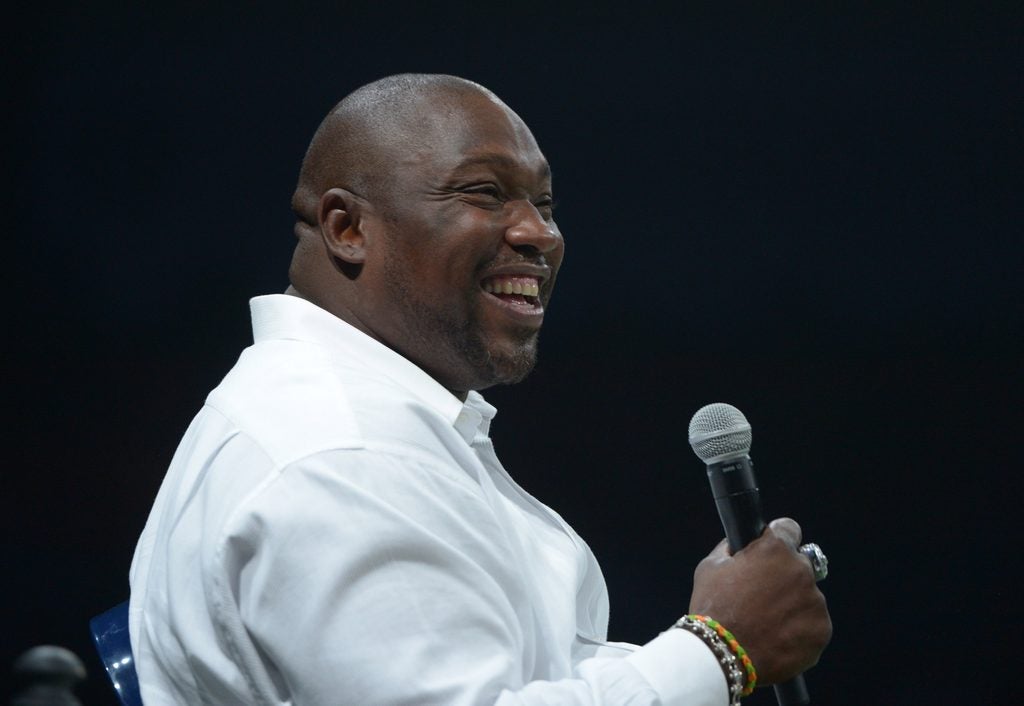
12. Robert Griffin III: The Entertainment Overshadows the Analysis
Robert Griffin III had all the makings of a great football broadcaster. He’s charismatic, well-spoken and has an impressive football resume. Griffin won the 2011 Heisman Trophy at Baylor before becoming the second overall pick in the 2012 NFL Draft. He immediately made an impact, winning NFL Offensive Rookie of the Year and leading Washington to an NFC East title.
After his playing career, Griffin transitioned into broadcasting, joining ESPN in 2021. He worked college football games, appeared on studio shows and eventually became part of Monday Night Countdown. It was an opportunity to turn his football knowledge and personality into a second career.
Unfortunately, I don’t think the transition has gone particularly well.
Griffin’s biggest problem is that he often seems more interested in entertaining the audience than actually analyzing the game. There’s nothing wrong with having personality in the broadcast booth. In fact, I prefer commentators who aren’t afraid to show some personality. But there needs to be a balance, and Griffin too often crosses the line between being entertaining and being distracting.
His commentary can feel forced, his delivery can be over-the-top, and there are times when it seems like he’s actively looking for his next viral moment rather than focusing on what’s happening on the field.
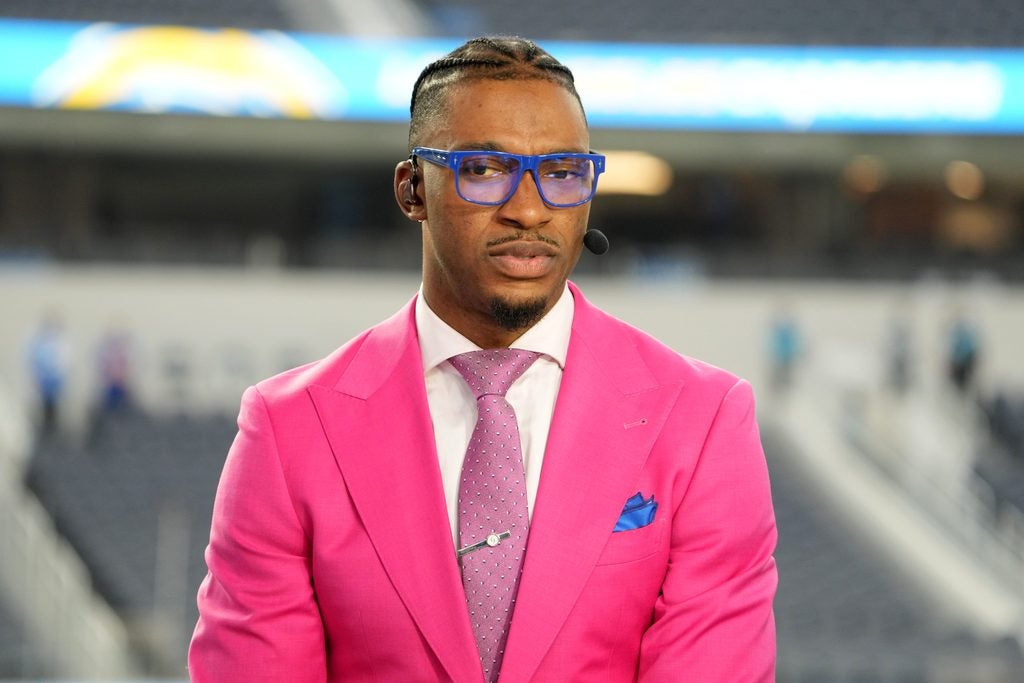
The Criticism Has Followed Him From ESPN to FOX
Griffin’s broadcasting style has also generated some legitimate criticism over the years. During a 2023 appearance on the Kay Adams Show, he acknowledged receiving criticism from ESPN after making inappropriate innuendos during a game broadcast. He also faced backlash in December 2022 after inadvertently using a racial slur during Monday Night Countdown while discussing criticism of Jalen Hurts. Griffin apologized for the incident.
ESPN eventually parted ways with Griffin in August 2024, although the decision was reported as part of the network’s cost-cutting efforts rather than a performance-related firing.
He eventually landed with FOX Sports, joining its college football coverage in 2025. Unfortunately, the change of networks hasn’t necessarily changed the perception of his broadcasting. His debut generated plenty of negative reactions from viewers who weren’t particularly impressed with his delivery and tendency to overcomplicate otherwise straightforward moments.
I don’t question Griffin’s football knowledge. He played quarterback at an elite level and has experienced the NFL from the inside. But I’d much rather hear him explain what a defense is showing, why a quarterback made a particular decision or what an offensive coordinator is trying to accomplish.
Instead, too often, I feel like I’m listening to someone who is trying to make sure the audience remembers him rather than the football being played. – Ryan Roberts
11. Tony Romo lost his edge once the predictions stopped
Another best player, worst talker has to be Romo. But I’m not talking about early Romo.
When he first got to CBS, Romo consistently surprised people with his “Romostradamus” approach, predicting plays before they happened. It went viral almost immediately. Everyone loved it because Romo was consistently right, and it gave viewers something no other analyst was offering.
However, as time went on, Romo became less willing to share those predictions. And I think his analysis suffered once that went away.
People have speculated about whether CBS asked him to steer away from the predictions. If the network did, that was a major mistake. I think Romo would have been great if he had continued to do what he did best.
When that part of his game disappeared, it sure felt like something was lost. With the predictive insight gone, Romo struggled to make up for it with actual analysis or with actual entertainment. That is the gap that turned one of the most exciting voices in the sport into a frequent target of criticism. – Mauricio Rodriguez
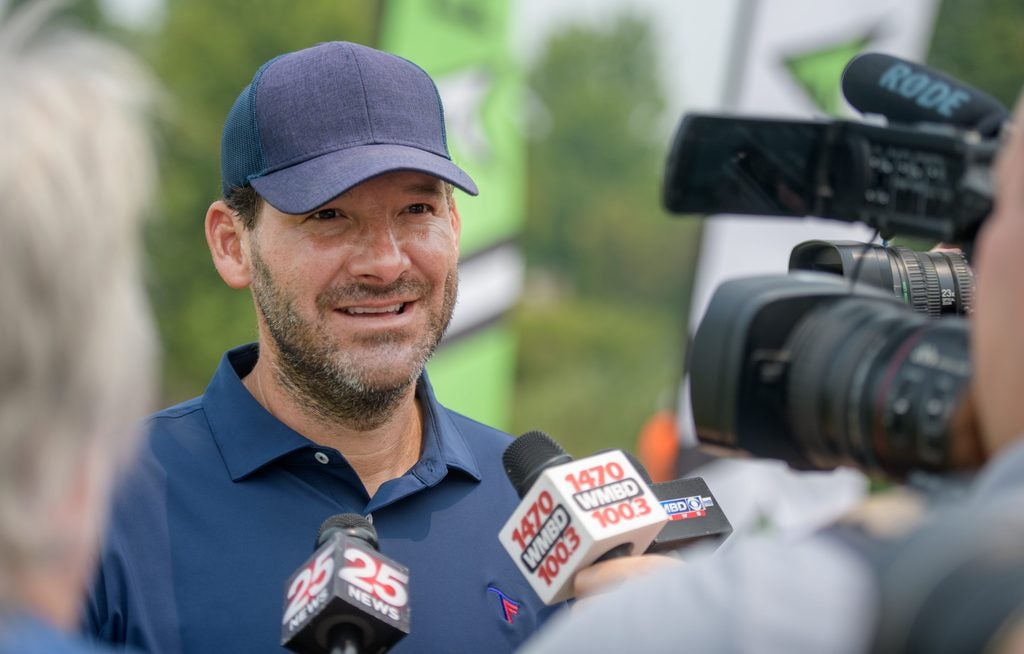
10. Aqib Talib’s broadcast career quickly dissipates after his lack of experience becomes evident
The path from the football field to the NFL broadcast booth is a well-traveled one for many former players once their careers wrap up. For some, the move feels natural. They have a way with words and spent years keeping a friendly relationship with the media.
That’s not always the case, though. Former Tampa Bay Buccaneers, New England Patriots, Denver Broncos, and Los Angeles Rams cornerback Aqib Talib is proof of that.
Aqib Talib built a résumé worth talking about over 12 NFL seasons
Talib made a name for himself as a talented player across his 12-year career. The Buccaneers took him with the 20th pick in the first round of the 2008 NFL Draft. He established himself as one of the better cornerbacks in the NFC during his first four-plus years in Tampa Bay, and he posted a career-high six interceptions in the 2010 season.
Tampa Bay traded Talib to New England in 2012. He spent the rest of that season and all of 2013 with the Patriots.
However, his four-year run in Denver produced the biggest moments of his career, particularly in the 2015 season. Talib started 15 games for the Broncos during the regular season. He then helped them win Super Bowl L, posting five tackles and two pass breakups in a 24-10 win over the Carolina Panthers.
The following season, he earned first team All-Pro honors. He also landed at No. 34 on the 2016 NFL Top 100 list.
Talib finished his playing days with the Rams in 2019. An injury cut that season short, and Los Angeles traded him to the Miami Dolphins, where he never played a down. He retired before the 2020 season.
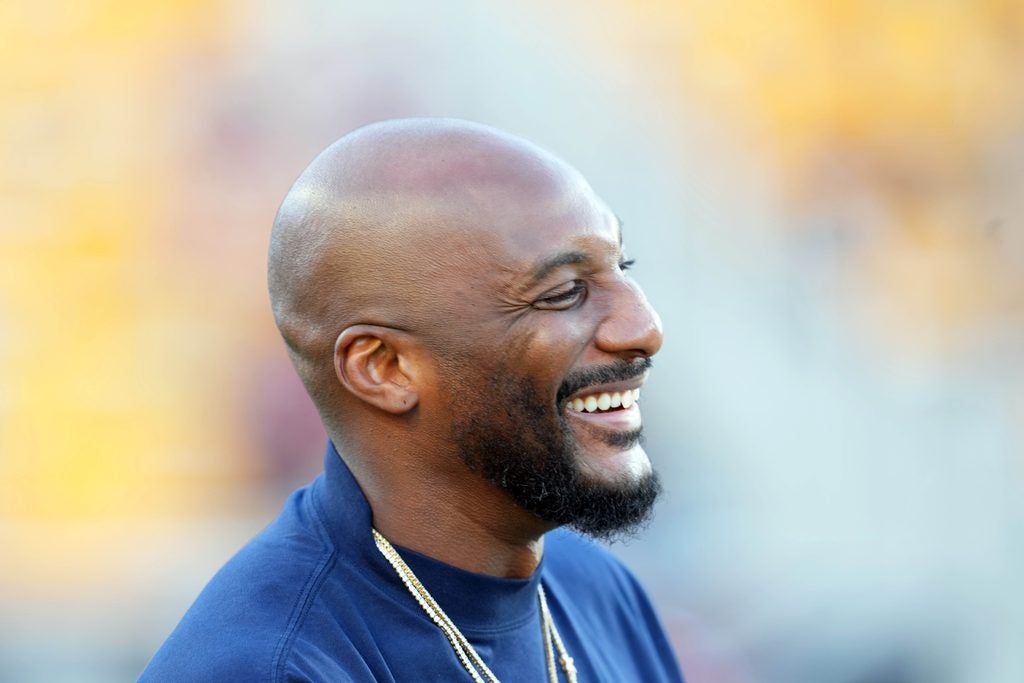
Talib’s move from the field to the booth
That’s when Talib made the interesting jump from player to broadcaster. He served as a color commentator on NFL broadcasts for Fox Sports from November 2020 through the 2021 season. He was also set to join Amazon Prime Video’s Thursday Night Football broadcast team before the 2022 season. Talib had a style that some loved for being direct and unfiltered, but without a broadcasting background, he was considered by some to be unpolished on the air.
However, Talib stepped away from that opportunity following an incident involving him and his brother. His brother was arrested and later pleaded guilty to homicide for the shooting of a youth league football coach. While Talib was present, he was never criminally charged in the matter.
Talib has stayed involved in media in other ways since then, including a regular show alongside Skip Bayless. Still, he hasn’t returned to the NFL broadcast booth.
Talib had a unique style, but perhaps not one for everyone
Some have embraced Talib for his open, tell-it-like-it-is style. That approach certainly fits the boisterous personality he showed on the field, one that often clashed with other players and sometimes ended up in controversy or fists.
It just perhaps didn’t fit the mold as far as what former players turned broadcasters often deliver. Talib worked for some, particularly with viewers looking for a more direct, unfiltered style, but was an odd fit for others.
Plenty of former players have shown that the booth is a natural next step after retirement. Talib’s run is a reminder that it’s not always a fit for every former player, no matter how big the accomplishments on the résumé. – Craig Smith
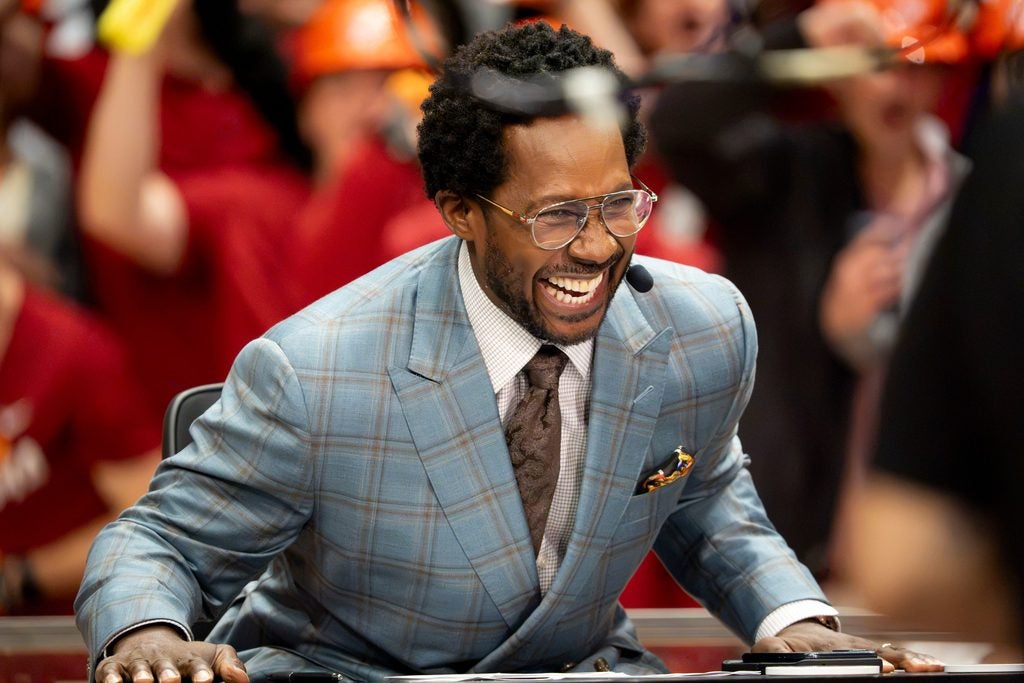
9. Desmond Howard is better known for his bias toward Michigan than his actual analysis
Former Michigan star Desmond Howard has been one of the most recognizable faces in college football for the better part of three decades. The Heisman Trophy winner starred for the Wolverines in the early 1990s, played 11 years in the NFL, and then moved into sports broadcasting with ESPN and College GameDay.
Few players can match what Howard accomplished. He’s a Heisman Trophy winner, a national champion, and a Super Bowl MVP.
His time in the broadcast chair has gone differently, however, as Howard’s transition to TV has been rocky at points and heavily scrutinized because of a lean toward Michigan that he has never tried to hide.
Desmond Howard’s playing career left no doubt
Howard’s 1991 season at Michigan is still the gold standard of his career. He finished with 19 receiving touchdowns on his way to the Heisman Trophy. His Heisman pose against Ohio State that season remains one of the most iconic moments in college football history, and even fans who never saw him play recognize the image.
Washington selected Howard with the fourth overall pick in the 1992 NFL draft. He did most of his work in the NFL as a return specialist, and that role produced his Super Bowl XXXI MVP performance with the Green Bay Packers.
After his playing days, Howard moved into broadcasting. He started in 2003 with appearances on Fox Sports and ESPN2. ESPN then gave him a spot on College GameDay in 2005, which put him alongside some of the biggest names in the business.
Bringing on a former Heisman winner was a smart move for the network. Howard is a former player who understands the game and how it works at the highest level, and that carried real weight with viewers.
Howard’s Michigan lean has followed him at ESPN
Howard’s reputation as an analyst has taken a hit over the years. His heavy lean toward Michigan is the biggest reason, along with what looks like an inability to criticize the Wolverines.
His predictions involving Michigan often come across as biased. That raises a fair question about whether the information he provides is consistent from one team to the next. Viewers tuning into College GameDay want an even read on the sport’s biggest matchups. That even read is hard to trust when one program seems to get special treatment.
The clearest example came in 2023 during the Michigan sign-stealing scandal. Howard often defended Michigan and criticized the NCAA’s handling of the situation. His personal connection to the Wolverines appeared to shape his commentary on the scandal, and plenty of fans noticed.
A great player doesn’t always make a great analyst
Nobody can take away what Howard did on the football field. A Heisman Trophy and a Super Bowl MVP make for a resume few players in the history of the sport can touch. Those accomplishments don’t always translate into being a great sports analyst, though.
Howard has now spent a couple of decades on ESPN breaking down the biggest games in college football. It’s fair to wonder whether he would have that seat without the accolades he earned as a player.
Howard’s playing resume will always carry weight. As long as he’s on the College GameDay set, however, the questions about his Michigan ties don’t appear to be going anywhere. – Brandon Little
8. Chris Collinsworth’s polarizing personality and style of commentary frequently rubs people the wrong way
Chris Collinsworth was a good receiver during his playing days. He finished his career with four years of 1,000 receiving yards or more and earned three Pro Bowl nods, along with three second-team All-Pro nods.
He’s one of the best receivers in Bengals history, ranking in the top-10 when it comes to receptions, receiving yards, and touchdowns, as well. His impressive mark of 16.1 yards per catch also ranks fourth among all Bengals players with at least 200 receptions during their respective Cincy careers.
Collinsworth has seen a lot of success as a broadcaster, but his reputation is a different story
Collinsworth has won Emmys, has covered multiple Super Bowls, and is currently the color analyst for Sunday Night Football, one of the NFL’s premier broadcasts.
You can’t debate his success, but you can certainly debate how he goes about his business.
Collinsworth often comes off as favoring one of the two teams he’s analyzing and has displayed bias toward superstar players like Patrick Mahomes, Lamar Jackson, and plenty of other top-tier players.
His tone can be condescending at times, as well as his remarks. He doesn’t give credit where credit is due most of the time, either. Meaning, if a team that he’s not as invested in does something good, it’s because the team he is actually invested in did something wrong.
Hyperbole and making a situation more dramatic than it seems are major flaws in his game as well. It’s easy to see why tend to tune him out when he’s on the call during a game. – Evan Winter
7. Hall of Famer Drew Brees gets new chance after first broadcasting run fell short of enormous expectations
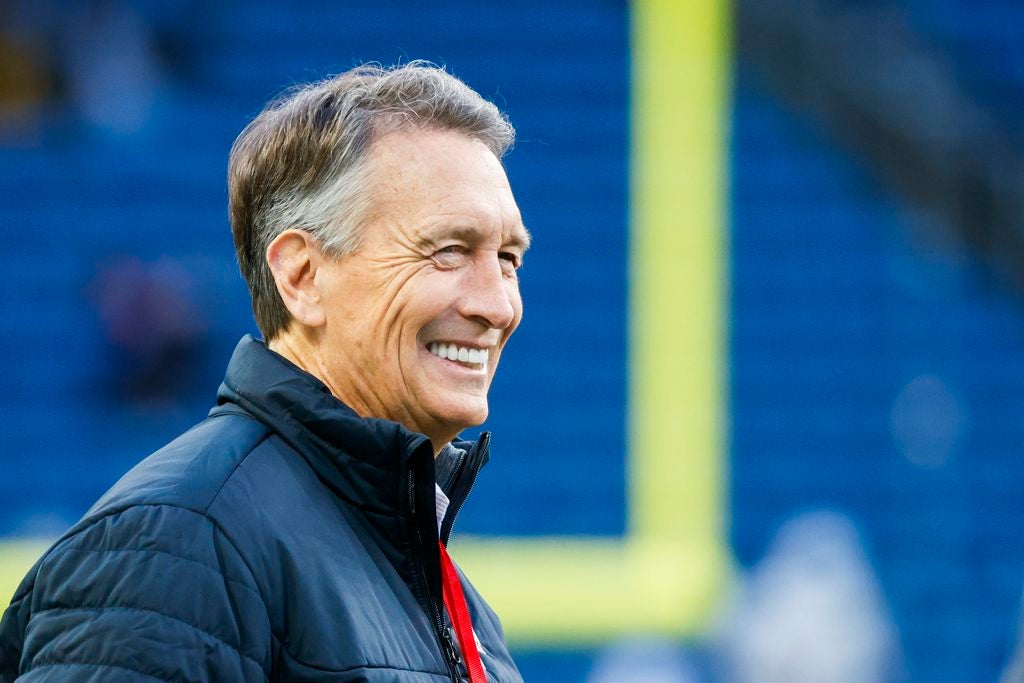
Drew Brees is one of the greatest quarterbacks in NFL history, and his transition to the broadcast booth was supposed to be another success story.
Instead, the Hall of Fame quarterback had an underwhelming first run on television with NBC Sports. That made him part of a list of great NFL players who did not meet expectations as announcers. Now, Brees has a new opportunity as a game analyst for FOX Sports.
The résumé on the field speaks for itself: Brees was the NFL Offensive Player of the Year twice, a First Team All-Pro in 2006, a seven-time passing yards leader, and a four-time passing touchdowns leader. He played his first five seasons for the San Diego Chargers before signing with the New Orleans Saints in free agency back in 2006.
In New Orleans, he became a Super Bowl champion and Super Bowl MVP, but broadcasting was a different experience.
Enormous expectations at NBC
Brees entered the broadcasting space with plenty of hype. His move to television was anticipated for years, and NBC appeared to have a long-term plan for him. In 2021, immediately after announcing his retirement, Brees officially joined NBC Sports as a studio analyst for “Football Night in America” and a game analyst for Notre Dame football.
At the time, there was speculation that Brees would eventually replace Cris Collinsworth as the color commentator on “Sunday Night Football.” That would have given NBC a high-profile former quarterback to pair with play-by-play announcer Mike Tirico.
However, his first season didn’t go according to plan. Brees struggled to establish himself as an engaging television personality, and critics questioned his ability to provide meaningful insight during games.
The biggest moment of scrutiny came in the 2021 AFC Wild Card game between the Cincinnati Bengals and Las Vegas Raiders, which he called alongside Tirico. That broadcast exposed some of the issues in his style. Brees was criticized for appearing uncomfortable and offering generic observations. He also failed to provide the detailed analysis that his experience as a quarterback should have produced, and that was precisely what NBC expected from him.
In 2022, reports emerged that Brees would not return to NBC. The network eventually confirmed the news in June.
The road back to the booth
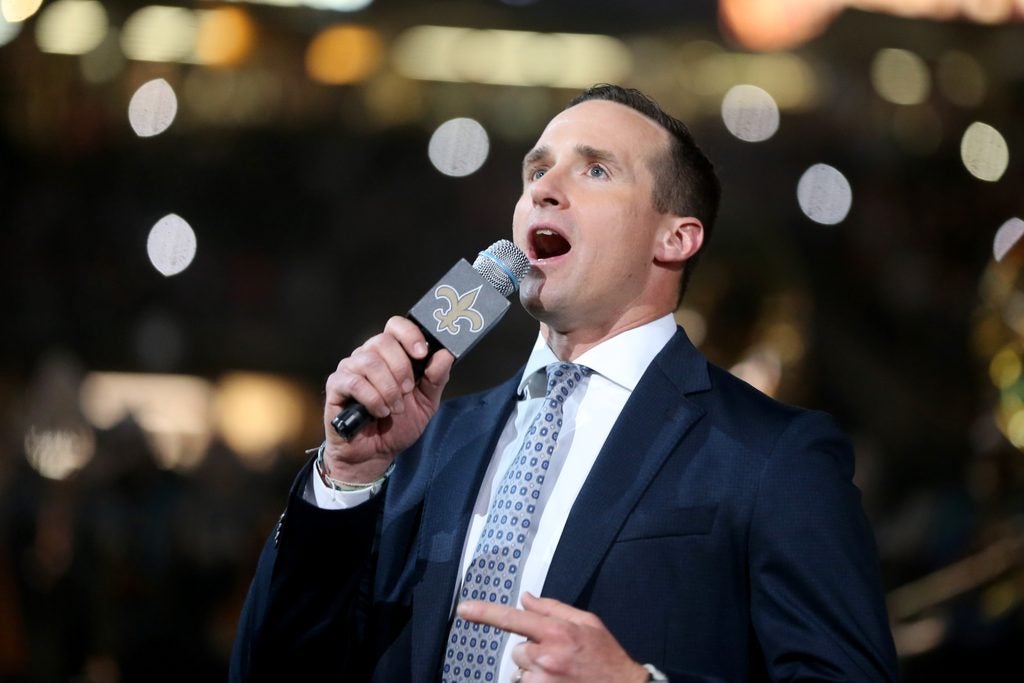
The NBC exit didn’t end his broadcasting career. Brees worked on special games for Netflix over the past two seasons. He was part of an international broadcast in 2024, and he returned to the booth in 2025, pairing with Noah Eagle to call the Detroit Lions and Minnesota Vikings game on Christmas Day.
That stretch showed the industry hadn’t permanently closed the door on him. A quarterback with his profile still carries value for networks, and the Netflix games gave Brees a way to stay in the conversation without the weekly pressure of a full-time role.
Now, Brees has a more stable position. He joined Fox Sports in 2026 as a game analyst and color commentator, working alongside play-by-play announcer Adam Amin and sideline reporter Christina Pink. In that role, Brees replaced Mark Sanchez within the Fox organization.
What comes next for Brees
The FOX job is a chance for Brees to rebuild the reputation he lost in his first attempt. He isn’t on the network’s top crew, so the spotlight isn’t as intense as the one he faced at NBC, when the “Sunday Night Football” seat seemed to be waiting for him.
A lower-profile assignment gives him room to develop as an analyst, sharpen his delivery, and show he can turn his knowledge of the quarterback position into insight viewers can use. If he does, there’s a path for him to climb within the Fox structure once again.
Brees spent two decades proving he belonged among the best quarterbacks in the league. His broadcasting career hasn’t reached that level, but the opportunity to change the narrative is still on the table. – Wendell Ferreira
6. Joe Montana’s forgotten one-season TV career is easily one of the quickest dismissals for a Hall of Famer
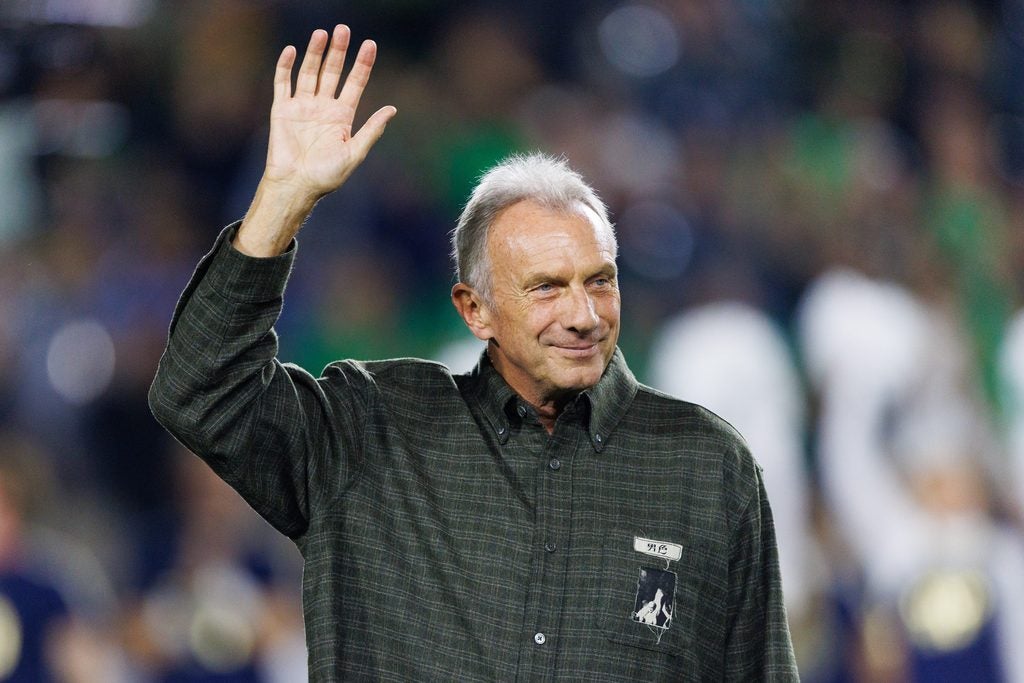
Joe Montana is one of the most accomplished quarterbacks in NFL history. He won four Super Bowls and three Super Bowl MVP awards with the San Francisco 49ers. But his transition from the field to television never worked, and his broadcasting career with NBC lasted only one season.
Montana’s story stands out because few retired players have ever entered the broadcasting world with a stronger résumé. Yet, a different role demanded an ability that Montana seemingly doesn’t have.
An obvious candidate for TV
By the time he retired, Montana was widely perceived as the greatest quarterback of all time. Along with his four championships with San Francisco, he won NFL MVP in 1989 and 1990. He also built a reputation as one of the most composed players the league had ever seen in big moments.
When he retired following the 1994 season, Montana looked like a natural fit for a prominent analyst role. NBC agreed and hired him in 1995 as a studio commentator for its NFL pregame coverage.
On paper, it was a move with little risk. The network added one of the most recognizable faces in football, someone with deep knowledge of the game and credibility with viewers. Few hires in sports television looked safer at the time.
A short stint at NBC
The transition was far less successful than the network had expected, though. Montana appeared in just nine broadcasts during the 1995 season, and he struggled to find his place in the studio environment.
His analysis never translated into the compelling television that NBC projected from someone with his experience. Football knowledge alone doesn’t make for engaging studio work, and Montana had a hard time turning what he understood about the game into segments that connected with viewers.
In February 1996, Montana announced he was leaving NBC after just one season. That ended one of the shortest broadcasting careers among major NFL personalities. According to his management company at the time, Montana said the decision came from his desire to spend more time with his family.
Still, Montana never showed much enthusiasm for continuing on television, and his career in that area never developed. He also never worked as a color analyst during games, which is the more traditional path for former quarterbacks who stay in broadcasting.
Montana walking away wasn’t much of a surprise, given how little he seemed to enjoy the job. But it was a major disappointment for NBC. The network brought in one of the biggest names in NFL history, and the partnership didn’t make it past a single season.
Montana later explained that broadcasting never came naturally to him. He said he felt uncomfortable making judgments about players because, in his view, television analysts often lack the information necessary to understand why things happen on the football field.
Post-career life away from football
Montana’s distance from the sport didn’t stop with television. He never became a football executive or coach either, which separates him from several of his peers who moved into front office or staff roles after their playing days.
After retiring as a player and leaving his job as a TV analyst, Montana was never again involved in the football world on a daily basis. For someone who defined an era of the NFL, his post-playing career stayed remarkably far from the sport. – Wendell Ferreira
5. Booger McFarland’s two Super Bowl rings never translated to the Monday Night Football booth, and the reasons were hard to miss
Former LSU and NFL defensive lineman Anthony “Booger” McFarland built a very successful career for himself on the gridiron. His broadcasting career, particularly his time on Monday Night Football, is a different story.
McFarland, from Winnsboro, Louisiana, stayed home to play college football at LSU. He was a first-team All-American as a senior in 1998, and that set the stage for a pro career that included championships with two different franchises.
Two franchises, two Super Bowl titles
The Tampa Bay Buccaneers selected McFarland in the first round of the 1999 NFL Draft with the 15th overall pick. He spent seven years with the Bucs.
McFarland was an important piece of the 2002 Tampa Bay defense, a unit many consider one of the best in NFL history. That group powered the franchise to its first Super Bowl title with a 48-21 win over the Oakland Raiders in Super Bowl XXXVII.
He finished his career with two years on the Indianapolis Colts, and he collected a second ring there. Indianapolis beat the Chicago Bears 29-17 in Super Bowl XLI, giving the Colts their first Super Bowl title since the franchise moved from Baltimore in the 1980s.
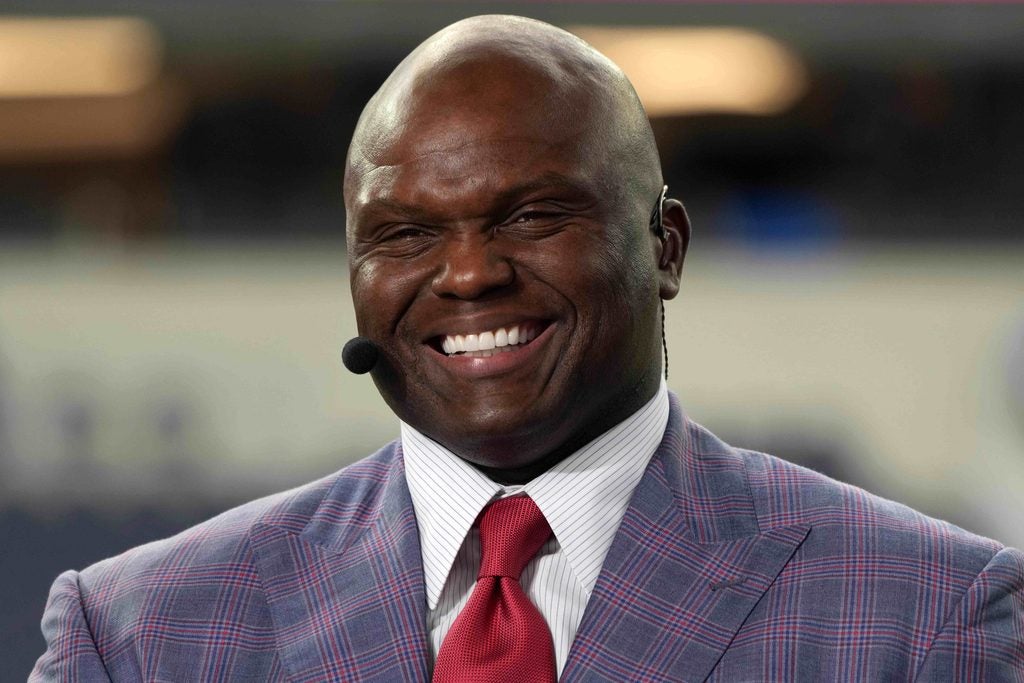
The “Booger Mobile” and the move to the booth
Like many former players, McFarland turned to broadcasting after he retired following the 2007 season. He also started where most do, at the local level, before working his way up.
McFarland co-hosted a radio show in Tampa until 2014. He then joined the SEC Network as a college football analyst and made regular appearances on ESPN programming, including being an in-studio analyst for college football and being an analyst on “Monday Night Countdown”.
His national profile took off in 2018. Before he ever reached the booth, McFarland was part of one of the more controversial broadcasting setups in NFL history.
ESPN placed him on the sidelines in what was called, tongue-in-cheek, the Booger Mobile. The elevated “cart” slid him down the sidelines while he broke down plays. Beyond the absurdity of watching a nearly 300-pound man move along the sideline cart, the setup drew complaints for obscuring views. As a result, the Booger Mobile didn’t last long.
McFarland eventually landed a promotion to Monday Night Football color analyst after Jason Witten left the booth to return to the Dallas Cowboys as a player. Witten’s own run in the role had been a controversial one, so McFarland stepped into a spot that already carried plenty of scrutiny.
A great football mind, but a tough fit for 3 hours
The promotion didn’t stick. After the 2019 season, ESPN moved McFarland out of the booth during the 2020 offseason. McFarland still works as a studio analyst on ESPN’s networks for both college football and the NFL. Most recently, he has served as an analyst on the College Football Playoff rankings reveal shows.
To me, the studio is where McFarland makes the most sense. Beyond the spectacle of the Booger Mobile, his on-air style has not landed well with fans or critics. But nobody should mistake that for a lack of knowledge. McFarland knows the game inside and out. His success on the field proves it, and so do his contributions in shorter studio segments.
A full three-hour broadcast is a different animal. It demands content that feels natural and organic and keeps flowing from kickoff to the final whistle. McFarland has not proven to be a great fit for that kind of environment.
Some players make the jump from the field to the mic look easy. For McFarland, the transition in front of the camera simply didn’t go well enough to turn into a lasting career as a live color commentator. His studio work keeps him in the conversation, and it may be the role that suits him best. – Craig Smith
4. Emmanuel Acho: Too Focused on Winning Arguments
From NFL Linebacker to National Sports Personality
Emmanuel Acho took a different path into sports media, but I have many of the same frustrations with his transition from player to analyst.
Acho was a sixth-round selection by the Cleveland Browns in the 2012 NFL Draft. He spent four seasons in the NFL, playing for Cleveland, the New York Giants and Philadelphia Eagles. After his playing career, he began working in broadcasting with the Longhorn Network before moving to ESPN in 2018.
His biggest opportunity came in 2020 when FOX Sports hired him to co-host Speak for Yourself. He eventually became one of the network’s most recognizable personalities, appearing on debate shows and developing a reputation for being outspoken and willing to challenge conventional opinions.
There is no denying that Acho is an intelligent person and an accomplished communicator. His Uncomfortable Conversations with a Black Man series generated significant attention in 2020, he became a bestselling author and he earned a Sports Emmy in 2021.
Those accomplishments deserve recognition. However, being a good communicator doesn’t automatically make someone a good football analyst.
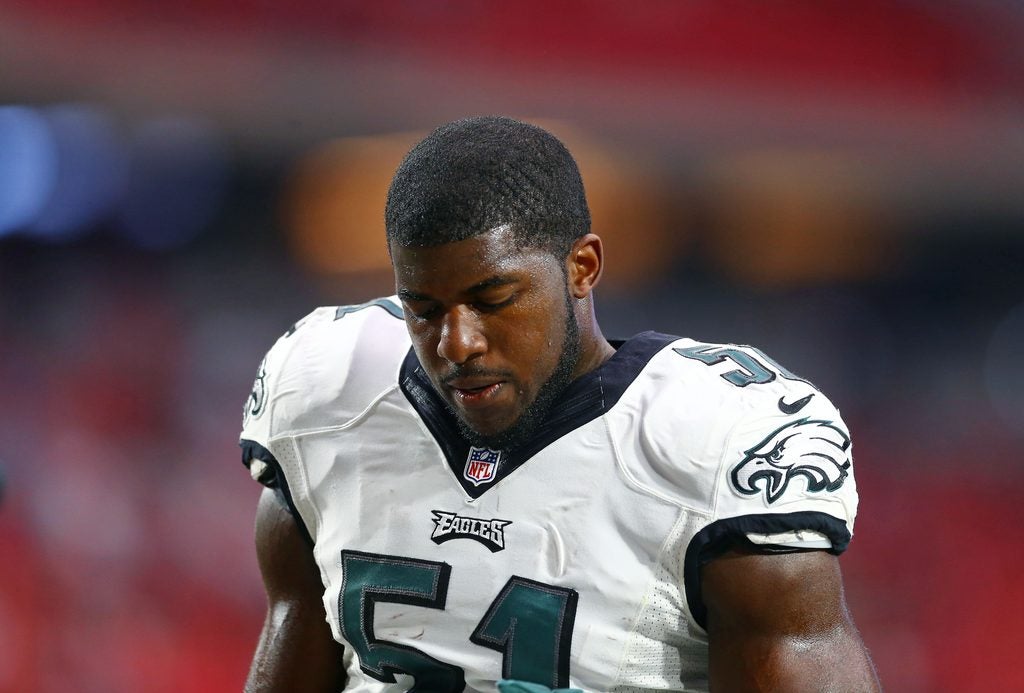
Every Conversation Doesn’t Need to Become an Argument
My biggest issue with Acho is that he seems to approach almost every football discussion as an opportunity to win an argument.
There is absolutely a place for strong opinions in sports media. I enjoy analysts who aren’t afraid to challenge conventional thinking or take a position that might upset some people. But there’s a difference between having a strong opinion and constantly trying to convince everyone that you’re the smartest person in the room.
Acho can come across as overly rehearsed, unnecessarily argumentative and sometimes more interested in the delivery of his point than the actual substance behind it.
This isn’t an entirely new criticism. In August 2024, Dan Le Batard publicly criticized the increasingly performative nature of sports television and specifically pointed to Acho as an example of the attention-seeking hot-take culture that has become prevalent in the industry.
I think that criticism gets at the heart of the problem. Sometimes I just want an analyst to explain what he sees on the football field without feeling like he’s delivering a closing argument in a courtroom.
Acho has also shown a willingness to make criticism personal. In 2018, he publicly criticized former Texas teammate Kris Boyd following a loss to Oklahoma State, describing his defensive performance as “trash.” Boyd responded publicly, leading to a back-and-forth between the two.
Acho had every right to criticize Texas, and his connection to the program shouldn’t prevent him from being objective. But the situation was another example of how his approach can turn a football discussion into something more confrontational than necessary.
His supporters will argue that this is what makes him good television. He’s confident, articulate and willing to take positions that generate conversation. I understand that perspective, but generating conversation and providing quality football analysis aren’t necessarily the same thing.
I’d rather hear Acho break down a quarterback’s footwork, explain a defensive coverage or identify a coaching adjustment than listen to another lengthy argument about why his opinion is correct.
He’s clearly intelligent. I just don’t think his television persona consistently translates into quality football analysis.
The Bottom Line: Playing Football and Analyzing Football Are Two Different Jobs
Griffin and Acho have different personalities, but I think they share a similar problem. Griffin can be too focused on entertainment, while Acho can be too focused on winning an argument. Both have allowed their television personas to overshadow what should be the most important part of their jobs: providing meaningful football analysis.
There are plenty of former players who have made the transition successfully. Tony Romo, Greg Olsen, Kurt Warner and others have demonstrated how playing experience can translate into insightful commentary. They can entertain an audience while also making viewers smarter about the game.
That’s what I want from a football analyst. I don’t need someone to be the loudest person on the set, manufacture a controversial opinion or constantly remind me how much they know about football.
I want someone who can explain why something happened, what it means and what might happen next.
Being a former NFL player gets you in the door. It doesn’t mean you’re automatically good once you get there. In my opinion, Griffin and Acho are two examples of that distinction. – Ryan Roberts
3. Hall of Fame RB Emmitt Smith’s brief ESPN broadcast career was the polar opposite of what made him a legend on the field
Hall of Fame running back Emmitt Smith built his legacy on two things: longevity and production. He showed up, he carried the load, and he kept doing it long enough to earn a bust in Canton. His stint in the broadcast realm? Essentially the exact opposite of what got him into the Hall of Fame.
Smith lasted just a few seasons in television with ESPN but developed a reputation for all the wrong reasons in front of the camera.
Emmitt Smith’s ESPN run never found its footing
Smith quickly developed a reputation for overusing generalizations and mischaracterizations. For an analyst, that’s a tough label to shake. Viewers tune in for insight they can’t get on their own, and broad strokes don’t deliver it. Especially when they’re inaccurate. When a former player can’t put his own experience into clear, specific terms, the audience notices fast.
Then, just as quickly as he arrived, Smith faded back into the background.
The contrast between Smith the broadcaster and Smith the player is hard to ignore. On the field, he was the definition of staying power. He was never the flashiest name at his position, but he was reliable, durable, and productive year after year. His career rewarded patience and consistency, and he became a Hall of Famer because he sustained his level of play for so long.
In the booth, he had none of that. The broadcast run was short, the production was lacking, and the exit came without much fanfare. – Kyle Crabbs
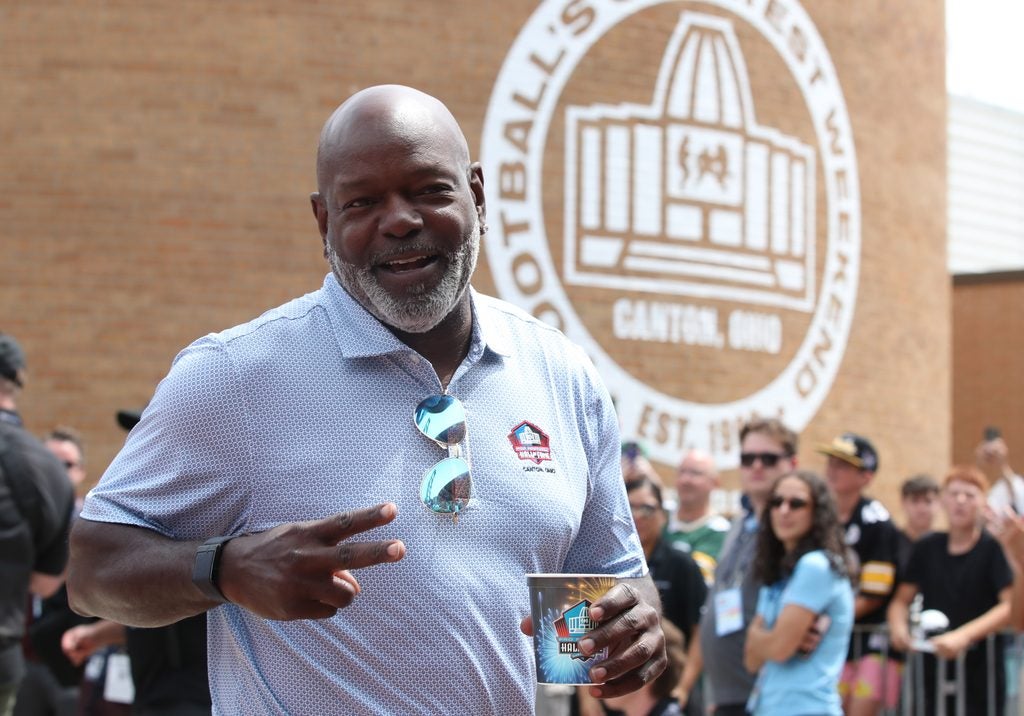
2. Jason Witten’s short stint on Monday Night Football exposed plenty of flaws in his ability to analyze a game
If we’re talking best players but worst talkers, Witten unfortunately has to be included. He couldn’t survive even one season in the booth.
After retiring in 2018, Witten went to ESPN to replace Jon Gruden in the Monday Night Football booth. Gruden had left to coach the Oakland Raiders, so Witten joined Joe Tessitore and Booger McFarland on one of the biggest stages in sports media.
The truth is Witten did not do well as a broadcaster. Stumbles were frequent, and his commentary was more often awkward than insightful.
He infamously described a player as pulling “another rabbit out of his head.” He also once described roughing the passer rules as “a little bit too left-wing.”
Yikes.
It didn’t help that ESPN was experimenting with a three-man booth. That setup was so weird, right? Three voices fighting for airtime on a weekly national broadcast isn’t a recipe for anyone to find a rhythm, let alone a first-year analyst.
To be fair, broadcasting commentary is not easy, and plenty of former players have learned that the hard way. It just wasn’t for him. That’s why he’s coaching now. – Mauricio Rodriguez
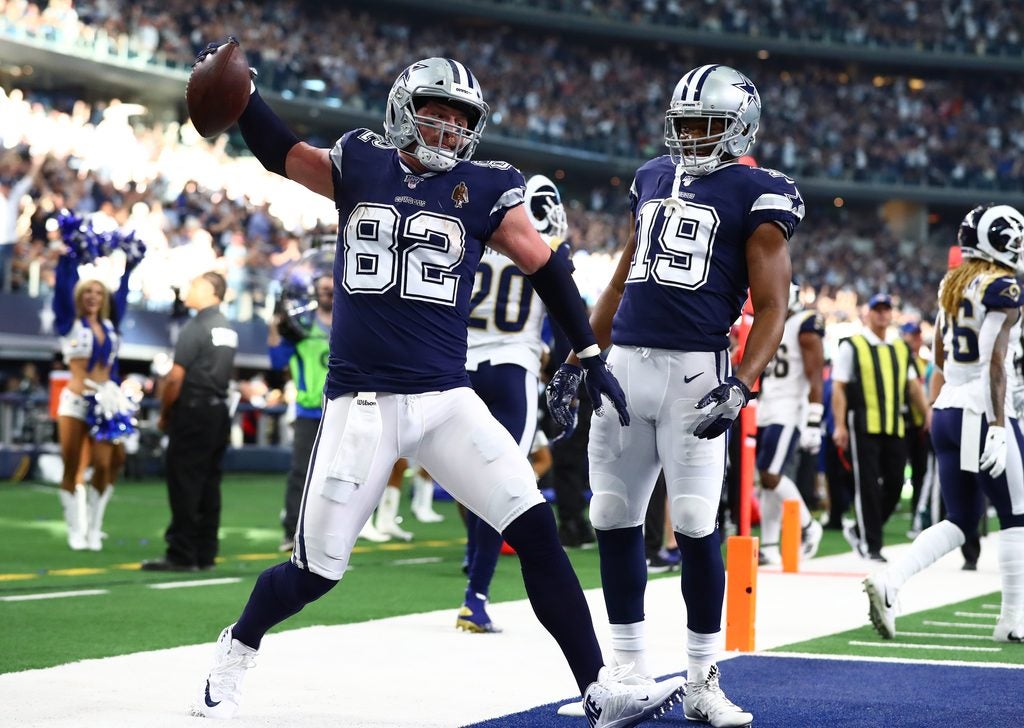
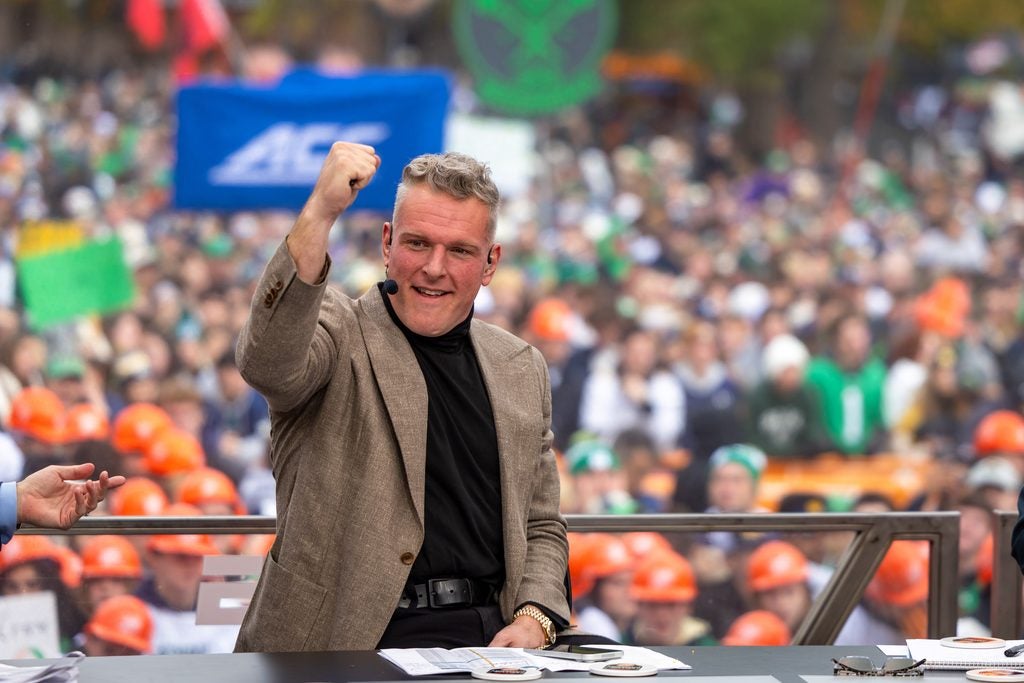
1. Pat McAfee’s ascension has made him one of the most hated media figures and it’s easy to see why
Pat McAfee was quietly one of the better punters in the NFL over the course of his career, earning a first-team All-Pro nod at one point. He also made several memorable plays, like recovering his own onside kick and making huge hits on returners.
Since then, he has basically become the face of ESPN over the last couple of years and while he deserves credit for his success – it doesn’t spare him from criticism.
McAfee’s schtick appeals to a broad section of the population: the “good ol’boy”/”average person” who loves to curse, drink beer, and say outlandish things to get attention. It worked in the beginning, but has since rubbed off and is more annoying than it is entertaining.
From ripping off shirts to smoking *something* live on-air to releasing a terrible album, McAfee has turned traditional sports coverage into a clown show.
McAfee’s worst moment came at the expense of an innocent college student
But the lowest of McAfee’s moments –and proof that he has zero sense of ethics when it comes to reporting and conversations– occurred when he made the strange (and stupid) decision to spread a fake rumor about an Ole Miss student on The Pat McAfee Show.
In February 2025, Mary Kate Cornett became the victim of a fake rumor that accused her of sleeping with her boyfriend’s dad. McAfee brought it up during an interview with NFL insider Adam Schefter and the exchange went about as poorly as one could imagine.
Schefter was clearly uncomfortable and tried to redirect the conversation as McAfee continue to press the issue. His co-hosts even joined in, creating an all-out cesspool of “coverage”.
McAfee is a major name in the sports world, so the discussion obviously took things to a different level. The fallout “ruined” Cornett’s life, according to her own words. She was doxxed and received all kinds of threatening messages and her family’s home was even “swatted”, which is a false report to the police in order to get them to show up at a certain location in authoritative fashion.
It was months before McAfee finally apologized and while Cornett’s father said it was a satisfactory outcome, it’s clear McAfee doesn’t care about ethics or process and only wants to shake the tree as hard as possible. And that’s a major problem when considering both his role and platform at ESPN.
The Cornett debacle isn’t McAfee’s only strike
He called Caitlin Clark a “white b****”. He allowed Aaron Rodgers to try and connect late night talk show host Jimmy Kimmel to Jeffery Epstein. And then as mentioned earlier, he was smoking some kind of substance live on-air that a lot of people believed to be marijuana.
Sure, the change of pace from traditional media coverage is appealing in theory, but McAfee’s execution comes off as unprofessional most of the time and leaves a lot to be desired.
He’s a multimillionaire shock jock, at the end of the day and has caused plenty of people to look elsewhere when it comes to coverage options surrounding their respective team. – Evan Winter
