
Weird outdated NFL rule will cost Packers money and there is nothing they can do to avoid it
Packers exercised Lukas Van Ness’ fifth-year option, and that will cost them $14.5 million instead of $13.8 million just because they listed him as a defensive end in 2025.


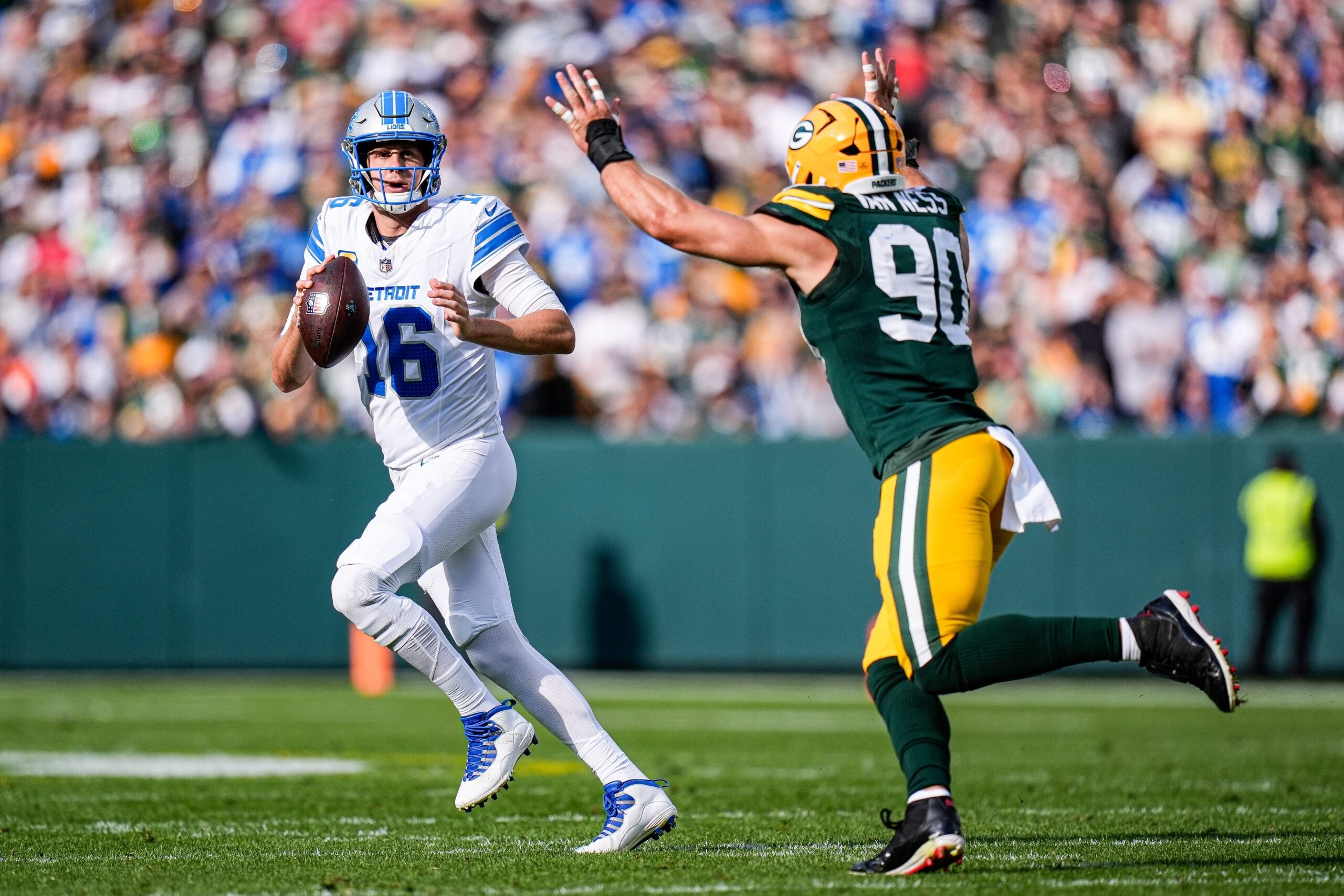
Here we are again talking about the ridiculousness of how the NFL designates defensive positions for option and tag purposes. This time around, it will cost the Green Bay Packers around $700k in cash and cap space for the 2027 season.
That’s because the Packers exercised Lukas Van Ness’ fifth-year option for next year. Right now, he’s listed as an outside linebacker. The option value for a linebacker who didn’t meet the playing time threshold is $13.8 million. However, the Packers played a 4-3 base last year, so Van Ness played the majority of his snaps in Year 3 as a defensive end. Because of this minor detail, Van Ness’ salary in 2027 jumps to $14.5 million.
Sure, it still makes sense for the Packers to pay that amount, which is fully guaranteed, to secure an extra year of Lukas Van Ness. But it’s a rule that doesn’t make any sense.
How this should work
It’s 2026. For decades, the 4-3 and 3-4 base designations don’t mean nearly as much as they used to. This is a simple problem to solve, but the NFL seemingly isn’t willing to do it.
The league should list players as interior defensive linemen, edge defenders, and off-ball linebackers for the purposes of options and tags. That would prevent egregious outcomes, like bucketing players who play at different positions together, or separating players who effectively play at the same spot.
Allegedly, getting things back on track isn’t good for the players after all — with this split putting edge defenders in two different spots, both the defensive end and the linebacker numbers get artificially inflated, which is great for them.
It’s not something new
This is certainly not the first time the Packers have been affected by the worst aspects of this model. Last offseason, the team had to decline the fifth-year option on linebacker Quay Walker because his number was disproportionately high due to being bucketed alongside edge rushers who were listed as outside linebackers.
As a consequence, Walker played out his rookie contract and ended up leaving in free agency. He signed with the Las Vegas Raiders, and the Packers decided to trade for Zaire Franklin instead.
In Van Ness’ example, the total value of the option would be on the higher end anyway, because he is in fact an edge defender. But it’s a weird outcome anyway, and one that the NFL could easily adjust.
