
Three numbers have emerged that may spell out exactly how different the Miami Dolphins’ new offense will be in 2026
The Miami Dolphins’ offense should look very different in 2026. But what elements can we already point to beyond the personnel?


We’re all in the process of figuring out how exactly this Miami Dolphins offense is going to be different in 2026. That is, of course, beyond the obvious answer that is what players are running it.
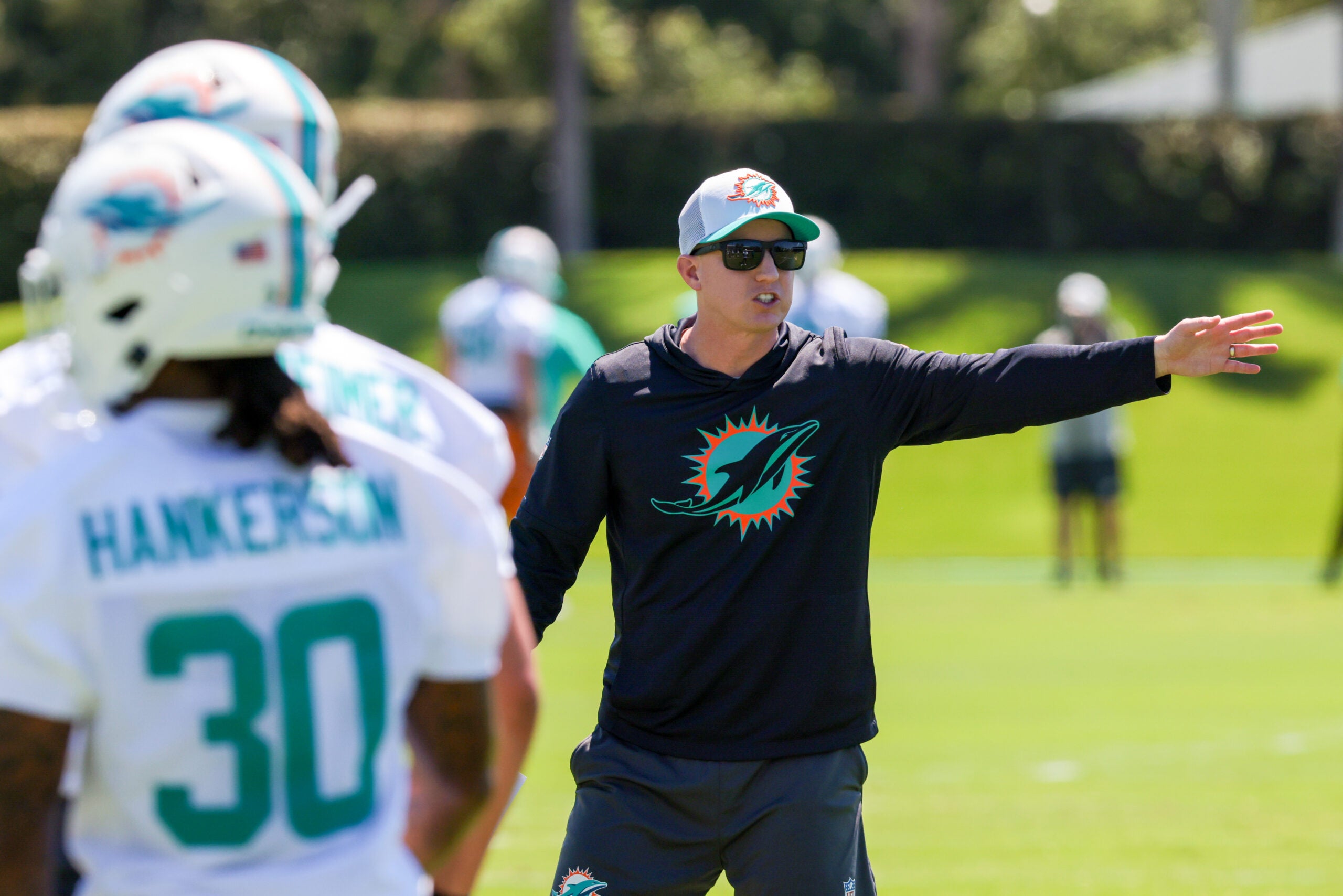
When Mike McDaniel was dismissed this winter, the Dolphins’ new head coach Jeff Hafley tabbed someone from the same tree to take control on offense. Bobby Slowik brings two years of offensive coordinator experience with him to the job in Miami. Yes, he is also off the Kyle Shanahan coaching tree. But Slowik will undoubtedly have his own flavor in comparison to Mike McDaniel. Miami gave us our first official sampling last weekend and will play the New York Giants this weekend for yet another. Here are three numbers to watch that could become primary differences.
NFL analyst Warren Sharp outlines three emerging major differences in the Miami Dolphins offense in 2026
The commentary by Sharp is terrific. And his discussion points for the Miami Dolphins evolution with Bobby Slowik and Malik Willis point to three primary numbers and categories that were drastically different in the first preseason contest versus 2025. Here’s the rundown:
– Air yards per pass attempt (early downs): 12.1 air yards/attempt (6.0 in 2025)
– Shotgun rate (early downs): 28% (68% in 2025)
– 12 personnel usage (early downs): 32% (9.5% in 2025)
If you want to know where to look in Miami’s second preseason contest against the Giants, this is probably a good place to start. We need multiple data points to create a legitimate trend. Right now these are simply interesting numbers. But they’re also off the charts different from what Miami looked like last season under McDaniel.
Each one is logical, though. Willis has a more prolific arm than Tagovailoa did, and his athleticism will naturally allow him to hold the ball longer to help extend against the pass rush. This should be a formula that allows the Dolphins to take more shots down the field and air things out aggressively.
Getting Willis under center creates more run action stress for opposing defenses. Miami is a team with a stated mission to run the football in 2026. As such, getting under center presents a larger menu of potential threats from a play perspective. It gives the Dolphins a balanced directional threat to run the ball any which way. That could only be replicated in the shotgun if a team were to use pistol formation. But that compromises the play action.
And then there’s the personnel trend. It should be no surprise, given a bulked up tight end room with some questions at wide receiver. I think all three of these numbers will hold (to some capacity) this season. Our next data set comes against the Giants.

Miami Dolphins News