
NCAA changes replay protocol after controversial Michigan-Western Michigan ending, but MAC’s appeal is incredibly soft
The conference’s approach to the entire situation left a lot to be desired.


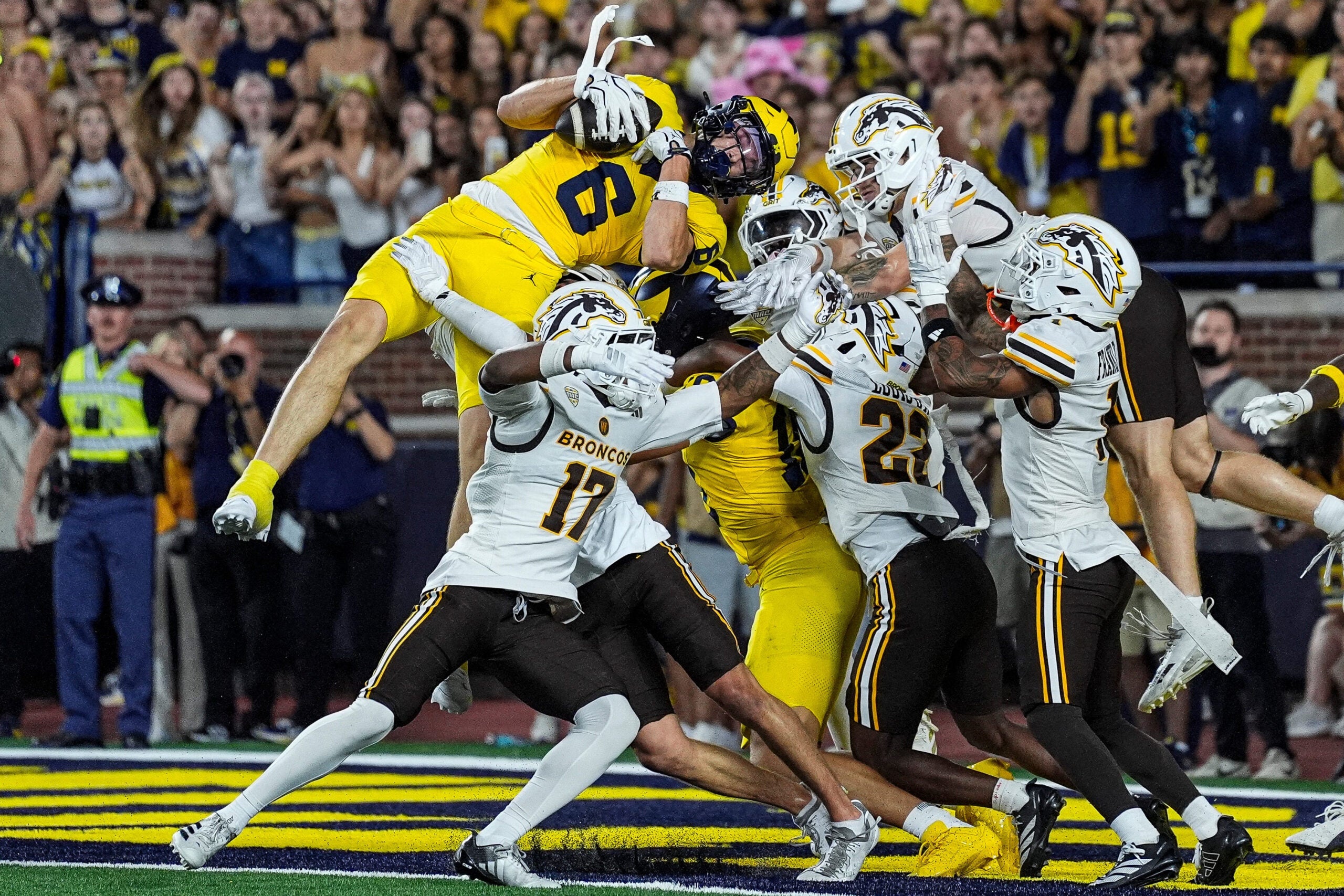
The MAC reversed course on the controversial ending to the Michigan versus Western Michigan game, and the response has been nothing short of disappointing.
Two days after the conference said it accepted the outcome, the MAC decided to fight for Western Michigan to be recognized as the winner. The commissioner claims the decision to add time back on the clock did not comply with the end-of-game protocol, and the conference is now appealing the result in hopes it doesn’t affect Western Michigan’s end-of-season push for a theoretical College Football Playoff bid.
The controversy generated enough attention that the NCAA stepped in with a meaningful change, with an adjustment to how late-game calls should be handled in the future.
That rule change is a tangible outcome from the mess, and it addresses the core issue with how the final moments of the game were handled. The Big Ten officials operated poorly at the end of the game, and Western Michigan got robbed. Most people agree on that.
The MAC’s response sets a terrible precedent
The most glaring issue here is the MAC’s approach. Accepting the ending and then flipping two days later to demand the result be overturned is weak. It reeks of desperation.
Throughout the sport’s history, teams have been screwed over by bad calls at both the college and professional levels. It happens. Officials are human, and mistakes have altered outcomes since the game began. That reality is frustrating, but it has never been grounds for retroactively changing the result of a contest.
The current trend in college athletics of refusing to accept outcomes and doing everything possible to get results changed is beyond frustrating. Seemingly, everyone in college athletics these days feels the need to fight when things don’t go their way.
Disagreement and demanding a reversal are not the same thing
There is a massive difference between voicing displeasure with how a game was officiated and asking for the outcome to be wiped from the books. The MAC has every right to be upset. Western Michigan fans have every right to feel cheated. The frustration is valid.
But asking for a game’s outcome to be changed just because you don’t like it is incredibly soft. You can say whatever you want, and you can be disgruntled by what happened. Publicly criticizing the officiating crew, calling for accountability, and pushing for rule changes like the one the NCAA just implemented are all reasonable responses. Those are productive. Demanding a do-over is not.
The NCAA’s updated replay protocol is the real win here. It ensures this specific type of clock mismanagement has a clear, standardized remedy going forward. Hopefully, that rule change is the lasting legacy of this controversy rather than a culture where conferences appeal every loss that leaves a bad taste.
