
Jonathan Gannon’s arrival gives 4 Packers defenders a golden opportunity to elevate their game in 2026
It’s a different scheme, so it’s a completely different reality for some of Green Bay’s most impactful defensive pieces.


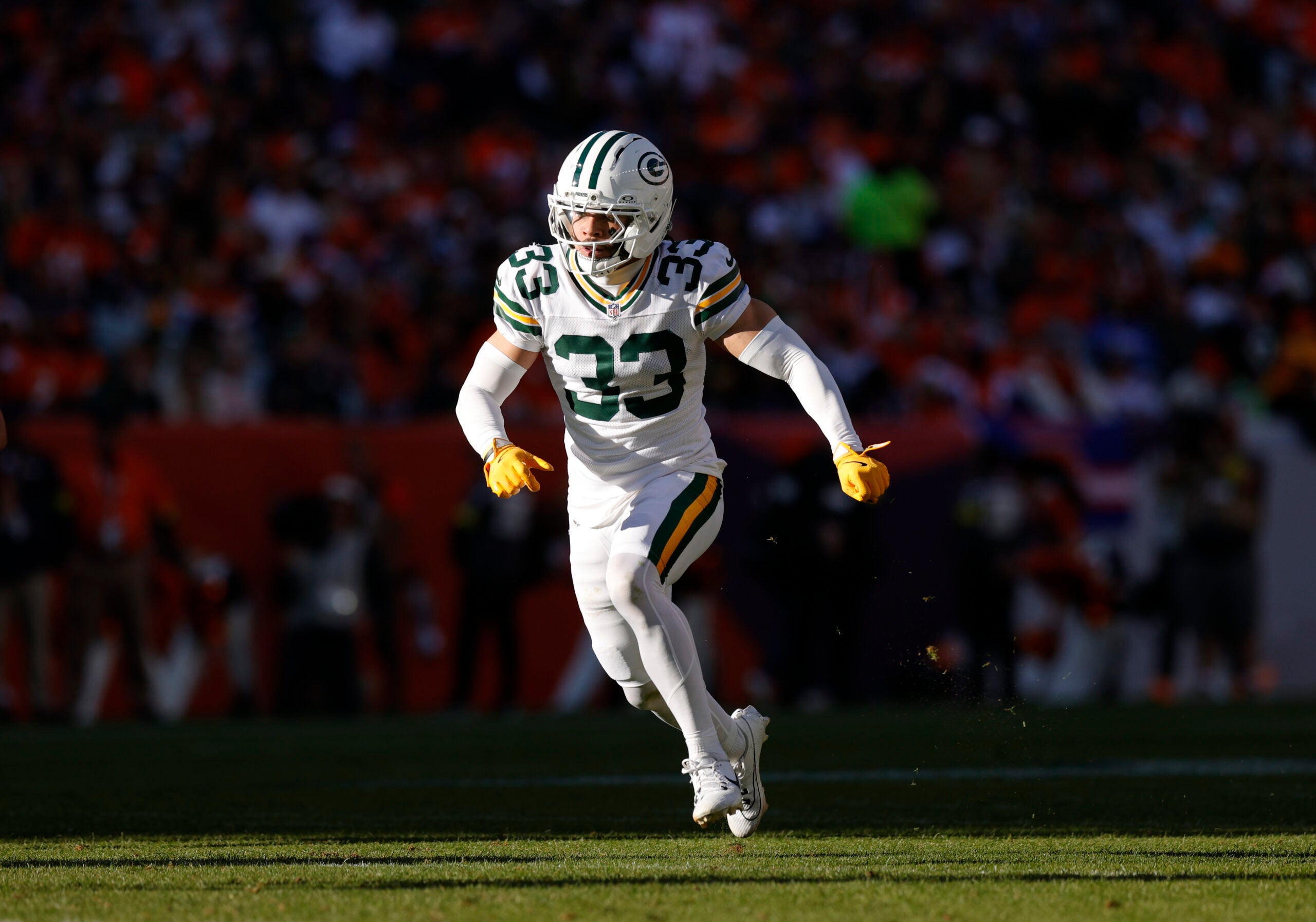
The Green Bay Packers moved on from defensive coordinator Jeff Hafley after he accepted the Miami Dolphins head coaching job, and the team replaced him with Jonathan Gannon, the former Philadelphia Eagles defensive coordinator and Arizona Cardinals head coach. The scheme change from Hafley’s system to Gannon’s more versatile defensive approach creates real opportunities for several Packers defenders to take their games to another level in 2026.
Gannon’s defense operates differently from what Green Bay ran over the past two seasons. His system can toggle between 3-4 and 4-3 base looks, though the Packers will primarily use a 3-4 alignment. The coaching staff reflects that shift. DeMarcus Covington now coaches the outside linebackers while also serving as run game coordinator and assistant head coach, and Vince Oghobaase earned a promotion to defensive line coach to handle the interior players. Gannon also loves varied shell coverages on the back end, adapting his defensive structure depending on the opposing offense.
So, let’s discuss the four Packers defenders best positioned to benefit.
Micah Parsons gets more freedom
Parsons is a transcendent player who would thrive in any scheme, and he proved that during his first season in Green Bay. But his profile as a bendy, lighter edge defender fits even better in a 3-4 base. The ability to play with more freedom and more defenders at the line of scrimmage in base packages will give Parsons cleaner opportunities to pin his ears back and do what he does best: rush the passer. The difference between 3-4 and 4-3 isn’t as dramatic as it once was across the NFL, but for a player with Parsons’ skill set, the distinction still matters.
Devonte Wyatt benefits from more bodies up front
Wyatt has always been a strong interior pass rusher, but his run defense has lagged behind. In a 3-4, when the base defense is actually on the field with three interior defensive linemen, Wyatt will see looks that put more players up front to handle run-stopping responsibilities. That should free him to attack as a rusher more consistently. Even while missing several games due to injury last season, Wyatt generated 22 pressures in 222 pass rush snaps. He’s not a complete player yet, but a scheme built around his strengths could elevate his production in the areas where he’s been limited.
Edgerrin Cooper’s coverage ability becomes essential
The trade-off in Gannon’s scheme is that the Packers will often have only two (and sometimes just one) off-ball linebacker on the field. That demands linebackers who can cover sideline to sideline and hold up in space. Edgerrin Cooper fits that mold. His coverage skills are the strongest part of his game, outside of his ability as a blitzer. Last season, Cooper posted a 76.5 coverage grade via PFF and allowed a 94.1 passer rating when targeted. Cooper still needs to improve as a tackler after recording a 55.5 tackling grade last season, but in a defense that prioritizes coverage versatility at linebacker, he’s the ideal fit over players like Isaiah McDuffie, who don’t share that same skill set.
Evan Williams could be the biggest winner
Williams might be the most natural beneficiary of the entire scheme change. Gannon’s defense thrives on varied shell coverages and pre-snap disguises, and Williams has the versatility to play almost every position in the secondary. Last season, he played 464 snaps as a deep safety, 280 in the box, 126 in the slot, 28 at the line of scrimmage, and even two as an outside corner. His run-stopping ability proved critical under Hafley. When Williams missed time with an injury, the Packers’ run defense felt the loss immediately. That combination of positional flexibility and physicality is exactly what Gannon’s system demands, and it should allow Williams to showcase even more of his abilities in 2026.
