Biggest Blown Calls in NFL History: Which mistakes changed the course of league history for good or bad or both?
Nothing is ever perfect in the NFL, which is a major reason why the league is so much fun to keep track of. That’s why it makes a lot of sense to compile a list of some of the biggest blown calls in NFL history.


Referees are absolutely critical for game of football and the NFL in general, but they can also be extremely detrimental if they screw up a call, or calls.
A blown call can easily rip the heart out any fanbase’s chest, which is why they stick with people for as long as they can remember. Especially if the stakes are high in a big game.
So, what are some of the biggest blown calls in NFL history? Let’s dive in and hash out the misery, or good times, depending on which side of the coin you’re on.
15. A missed facemask plays a major role in the final outcome of the Vikings’ 2024 season
The Vikings were off to a hot start in 2024, beginning the season with a 5-1 record. Next up was the Los Angeles Rams, who weren’t doing as well at 2-4.
That didn’t stop Matthew Stafford and Co. from compiling a 28-20 lead with a little more than six minutes left in the game, however. The Vikings had kept it close all game long, but had to make some kind of play if they wanted the contest to continue.
It wasn’t going to be easy, as the Vikings had to start at their own five down eight. However, the referees made it even harder and even lost the game for the Vikings.
The refs missed one of the most obvious facemasks of all-time
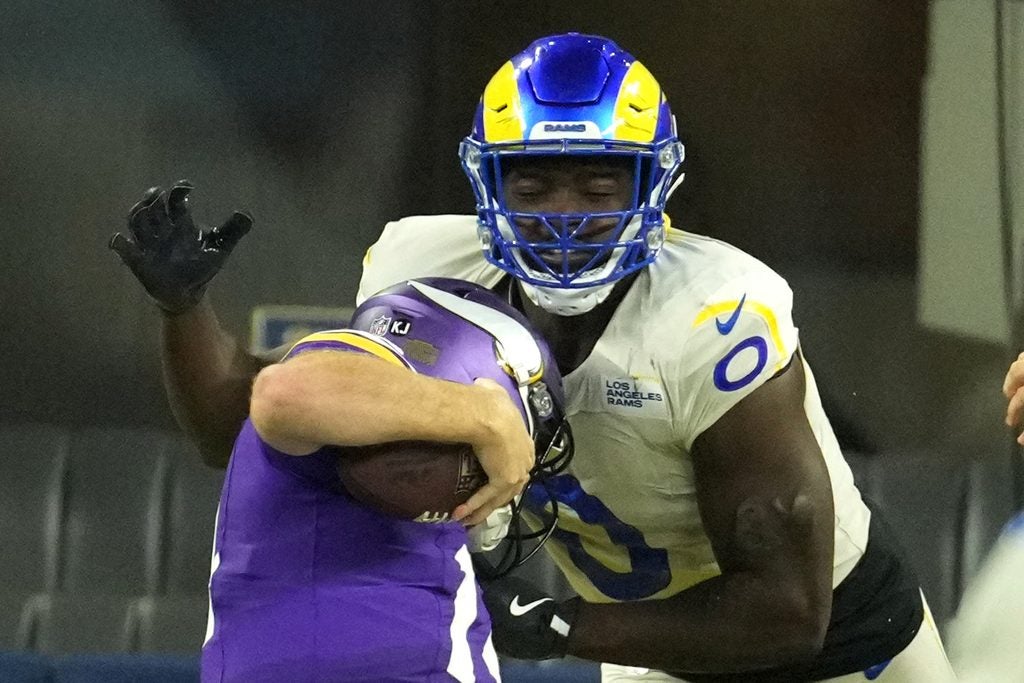
Sam Darnold dropped back to pass on a second-and-10 in his own end zone due to the game flow and was eventually sacked by Rams EDGE Byron Young.
Young clearly grabbed Darnold’s facemask, however, and the play should’ve been nullified. Somehow, someway it was missed, though, even by the referee that was standing right in front of Darnold and had a perfect line of sight into the play.
The refs said they didn’t see the play, which is complete nonsense and only adds to the fire. Young’s initial reaction also showed he even knew what was going on, as well as the social media posts he later posted joking about the situation.
The Vikings were hit with a safety and the Rams went up, 30-20, and never looked back.
Why the call mattered so much down the road
Unknowingly, the missed call set up a Wild Card rematch where the 14-3 Vikings had to go back to LA and take on the 10-7 Rams. The Vikings were dismantled in that game and sent home after an impressive regular season.
Here’s why the call mattered: If Darnold was able to drive the Vikings down and score a touchdown, tie the game, and later win it then they never would’ve faced the Rams in the playoffs. The Rams would’ve finished 9-8 on the year and the Seahawks would’ve won the division at 10-7.
So who knows? Maybe the Vikings beat the Seahawks, instead. Yes, they had to drive 95 yards, convert a two-point conversion, and then still score the game-winning points, but the key is they never got the chance to because of the awful no-call.
And we’ll never know because we ourselves never received the opportunity. – Evan Winter
14. Patrick Mahomes and the Chiefs are the beneficiaries of a controversial call that helped them get back to the Super Bowl
The next entry in our look at the top NFL officiating blunders takes us back to January 2025 and the AFC Divisional Round playoff game between the Kansas City Chiefs and the Houston Texans.
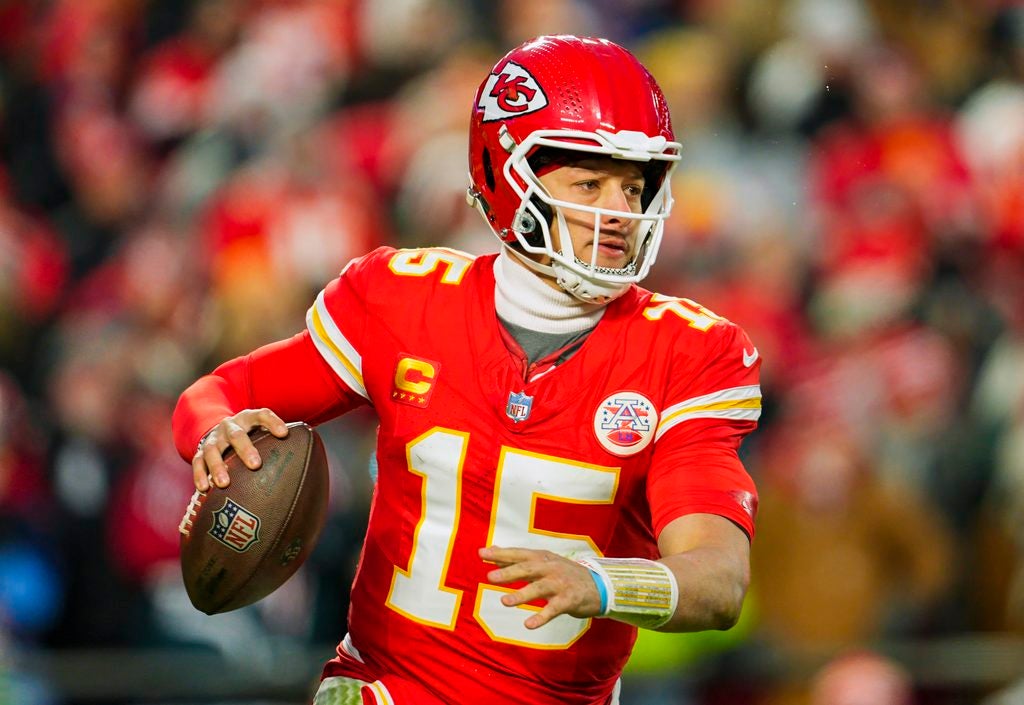
On a third-and-8 play in the first quarter, a roughing-the-passer penalty on Texans outside linebacker Will Anderson Jr. extended a Chiefs drive that looked to be over. It became one of the most debated calls of that postseason, and it still comes up whenever fans talk about officiating and the Chiefs.
The setup was simple: Chiefs quarterback Patrick Mahomes threw an incomplete pass intended for tight end Travis Kelce on third-and-8. That should have forced Kansas City to punt and given Houston the ball back.
However, officials flagged Anderson for roughing the passer after ruling that his hit on Mahomes landed around his head and neck. Officials also called a facemask penalty on the same play, so the call would have been flagged either way. The roughing call drew the most attention.
NFL rules analyst Walt Anderson weighed in on the play and called it technically sound and correct under the league’s quarterback protection guidelines. Those guidelines cover helmet use and protecting the quarterback’s head and neck area. From the league’s perspective, the officials got it right by the letter of the rule.
That didn’t stop the controversy, however. The Chiefs jumped out to a 6-3 lead and went on to win 23-14 over the Texans. When a close playoff game swings on a third-down flag, people will remember it.
Will Anderson’s criticism draws more attention to the controversy
Will Anderson later criticized the officiating publicly after the game, describing the situation as “us versus the refs.” The NFL subsequently fined Anderson $25,000 for those comments. The league has a long track record of fining players and coaches who publicly criticize officials, and this was no exception. Anderson’s frustration was understandable from a competitor’s standpoint, especially in a playoff loss that ended Houston’s season. Still, the league wasn’t going to let that kind of comment slide.
This call lands on a list of officiating blunders for a reason, even with the league’s rules analyst backing it up. Not every technically correct penalty feels right in the moment. The contact on Mahomes didn’t look egregious to many viewers, and the timing (third down, early in a playoff game) magnified everything.
The other side of the argument is just as clear. The NFL has spent years tightening its rules around hits to the quarterback, and officials are trained to throw the flag when contact gets near the head and neck. Anderson’s hit fell into that zone, and the officials made the call they’re instructed to make. As much as this play might be considered a blunder, it’s also a constant reminder that the NFL will protect the quarterback position and err on the side of caution. – Charles Goldman
13. The refs paved the way to both shutting the Bucs out of the playoffs and the Packers’ fourth Super Bowl win
The Buccaneers were in the midst of a successful 2010 season, but found itself in a dogfight with the Detroit Lions in Week 15.
The Bucs were down, 17-14, in the fourth quarter and faced a third-and-2 from the Lions’ two-yard line. Josh Freeman dropped back to pass and hit Kellen Winslow for a touchdown, but the play was taken back after he was called for offensive pass interference.
It was a bad call and you could tell as much in real time. The Bucs had to settle for a field goal to tie the game at 17 instead of going up 21-17. Tampa Bay added three more points a little later to go up 20-17, but a 24-17 probably would’ve won the game.
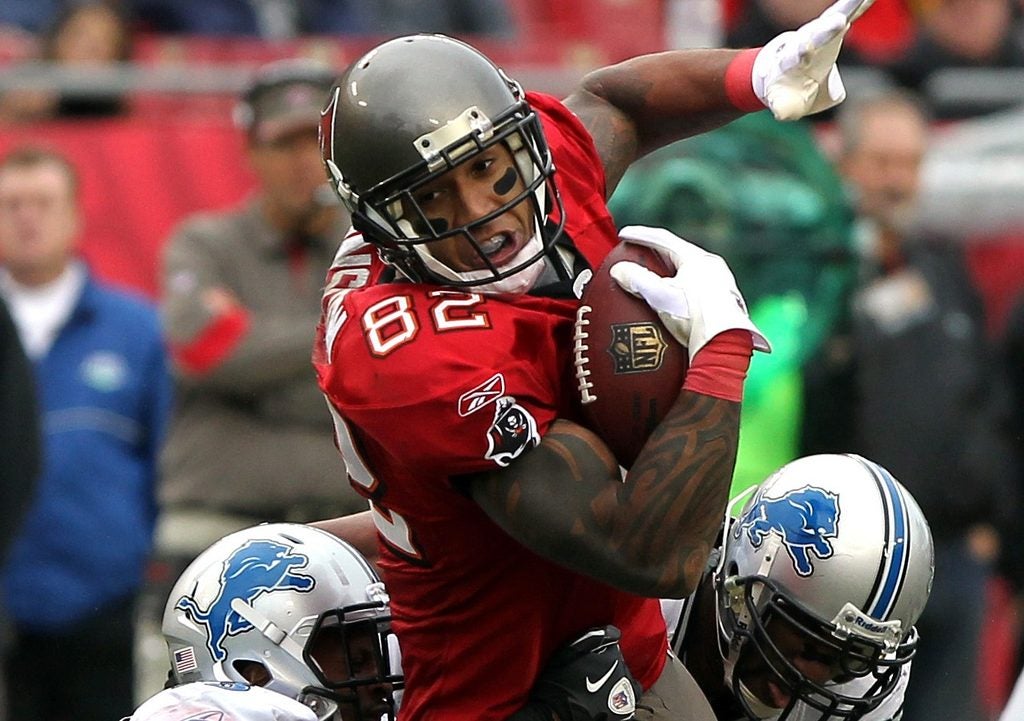
The Bucs’ loss kicks them out of the playoffs
Regardless, the Lions kicked a last-second field goal to send the game to overtime and then kicked the game-winning field goal on the first possession of the extra period.
The loss is what sent the Buccaneers to 10-6 on the year and the Green Bay Packers eventually won the final wild card spot thanks to the strength of victory tiebreaker over the 10-6 Giants and Bucs.
If the false OPI isn’t called, the Buccaneers are 11-5 and earn the last wild card spot. Then, the Packers are never in the race and they never go on to win their fourth Super Bowl.
To make matters worse, the NFL apologized for the blown call a few days afterward, legitimizing the issue. And, it took the Buccaneers six seasons to finish with a winning record afterward while the Packers went on to become perennial playoff contenders. – Evan Winter
12. Marcus Mariota’s “forward progress” ruling still haunts the Chiefs to this day
Some officiating blunders fade with time. Others stick with a fan base for years. For the Kansas City Chiefs, few calls have lingered as long as the “forward progress” ruling in the 2017-2018 AFC Wild Card game against the Tennessee Titans.
Late in the second quarter, the Chiefs led 14-0, and their defense needed one more stop to protect that cushion. The Titans had driven down to the Kansas City 22-yard line, setting up a third-and-4. Titans quarterback Marcus Mariota dropped back to pass. Chiefs linebacker Derrick Johnson blitzed and sacked him for a 9-yard loss. The ball popped free, and Chiefs outside linebacker Justin Houston recovered it.
That sequence should have ended Tennessee’s scoring chance and handed the ball back to an offense already up by two scores. It looked like the kind of momentum swing that can tilt a playoff game before halftime. The celebration lasted only until referee Jeff Triplette took the microphone.
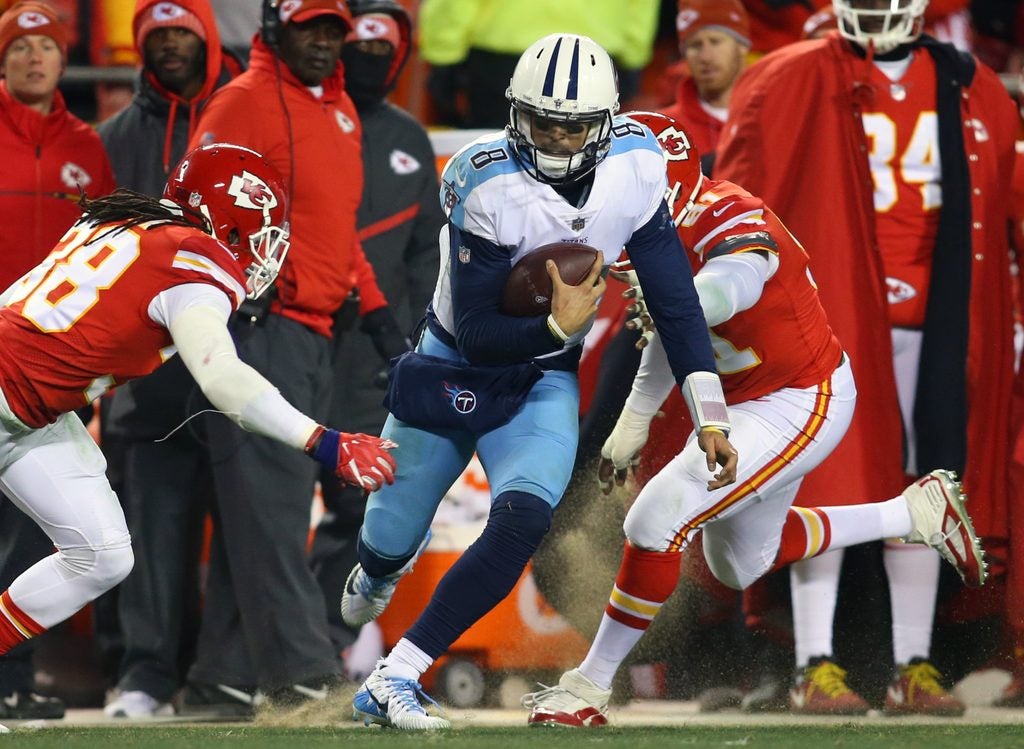
Jeff Triplette makes a confounding ruling
Triplette ruled there was no fumble on the play. He explained that he “blew the whistle to stop the play,” ruling that Mariota’s forward progress had stopped before the ball came loose.
Here’s the thing about forward progress: The concept is typically tied to a ball carrier fighting for yardage when a runner gets wrapped up, and his momentum toward the line to gain has been halted. In those situations, officials blow the play dead to protect the runner.
The problem is that this wasn’t a rushing attempt. Mariota was simply sitting in the pocket before Johnson took him down. He wasn’t driving forward for extra yards, and he took a 9-yard loss on the sack.
Johnson recognizes that the call wasn’t the reason the Chiefs blew that game. Still, it was an egregious call, and one that still rubs Johnson the wrong way.
“Yeah, it does rub you the wrong way,” Johnson told Chiefs reporters in April of 2026. “Other than we’re up by 21-3, we should figure it out. But we probably needed that sack-fumble. But at the end of the day, you can’t let the referees dictate the game. You’ve got to finish it out however you can, but that was a great play. I still look at that play now and wonder, ‘How did they call that?’ But yeah, I still think about that.” – Charles Goldman
11. An unfortunate development for the Buccaneers fixed a broken rule that derailed their Super Bowl hopes
The 1999 version of the Buccaneers represented a scrappy, never-say-die, team that managed to will its way to an NFC Central-best 11-5 record and NFC Championship Game appearance against the then-St. Louis Rams.
Shaun King and Co. found themselves down 11-6 in the fourth quarter, but that wasn’t stopping them from moving the ball into scoring range. King hit wide receiver Bert Emanuel for a 12-yard gain on a second-and-23 that put the Bucs offense at the Rams’ 23.
Side judge Walt Anderson ruled the diving catch complete, as it was an impressive reception that showed off Emanuel’s hands and body control.
But head referee Bill Carollo had other ideas.
Bert Emanuel’s overturned catch changes NFL history
Using instant replay,, Carollo determined Emanuel didn’t have full completion of the catch because the nose of the football touched the ground. Even though the ball wasn’t moving and Emanuel clearly had full control.
He overturned the intial ruling and Tampa Bay’s dreams of a comeback ended two plays later. The decision later sparked the rule change that the ball can touch the ground as long as the receiver is displaying full control of the ball.
It was immediately changed the following year, showcasing the gravity and outrage surrounding the ruling. As it should’ve. – Evan Winter
10. A botched coin toss changes NFL rules forever
Of all the things an NFL referee is expected to get right, the coin toss seems like the easy part.
Heads or tails: A 50-50 proposition that requires no film study, no replay review, and no judgment call. But on Thanksgiving Day in 1998, even THAT became a national controversy for the Pittsburgh Steelers and Detroit Lions.
Steelers running back Jerome Bettis, referee Phil Luckett, and a single overtime coin flip combined to produce one of the strangest finishes the league has ever seen.
And the fallout reached far beyond one holiday afternoon in Detroit.
Final Stats from the 1998 Steelers-Lions Thanksgiving matchup
This matchup holds a lot of weight in NFL history and not for the best reason when considering it’s a blunder that represents the main factor. Regardless, below are some stats from the game. The Lions are on the left and the Steelers on the right.
- Final score: 19-16
- Total yards: 283/293
- Net passing yards: 213/208
- Rushing yards: 70/85
- Turnovers: 2/2
- Third down conversions: 0-10/6-17
- Fourth down conversions: 0-0/2-2
- Time of possession: 26:59/35:53
The Steelers and Lions needed a coin toss to decide everything in sudden-death overtime
Pittsburgh was visiting Detroit for the annual Thanksgiving game, and the two teams battled to a 16-16 tie at the end of regulation. That sent the game to overtime. Back then, overtime was sudden death. The first team to score ANY points won the game, and there were no guaranteed possessions for both sides.
So winning the coin toss was a big deal. Take the ball, drive into field-goal range, and the game is over before the other offense ever steps on the field. That was the reality for both the Steelers and the Lions as the captains walked to midfield.
Bettis was among Pittsburgh’s captains for the toss. Luckett flipped the coin and asked Bettis to make his call. Simple enough, right?
Wrong.
Luckett announced that Bettis had called heads and awarded Detroit the choice when instead, Bettis called tails. Bettis and teammate Carnell Lake were furious. Detroit received the kickoff and drove down the field. Lions kicker Jason Hanson finished the job with a 42-yard field goal, and the Lions won 19-16. Pittsburgh NEVER touched the football in overtime.
The league immediately changed its coin-toss procedures. From then on, captains would have to declare heads or tails BEFORE the coin was flipped. Additionally, the NFL required extra officials to be present to verify the call, removing the possibility that one referee’s ears would decide the outcome. – Kyle Crabbs
9. Three simple words that are still debated to this day: Dez Caught It
The Cowboys visited the Green Bay Packers in the NFC divisional round back in 2015 and were unaware the referees would ultimately decide the final outcome.
On fourth-and-2 from the Packers’ 32-yard line, quarterback Tony Romo threw a deep shot to wide receiver Dez Bryant at the goal line. Bryant leaped, caught it, took steps, and lunged for the end zone. The ball came loose when he hit the ground, and the officials overturned the catch.
I’d call this one more of a controversial call than a blunder. However, nobody can dispute that Bryant reached for the end zone.
People like to focus on the steps. I don’t think the steps are even a point of controversy. If Bryant doesn’t reach for the end zone, the ball doesn’t come loose. Period.
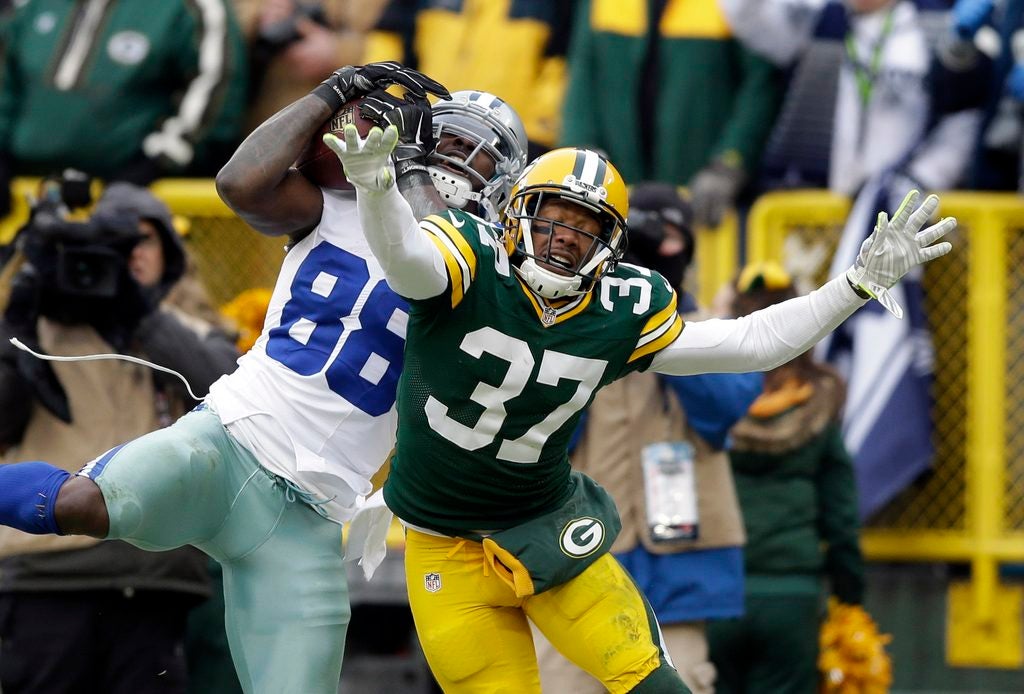
The inept ruling of a completed process is the thorn in the side, here
Officials ruled that Bryant didn’t complete the process of a catch. I can’t wrap my head around how a player who hasn’t completed the process of a catch can reach for the end zone, because Bryant clearly does exactly that.
To be fair, plenty of time remained on the clock, so the Cowboys still had a chance to win. DeMarco Murray’s fumbles also hurt Dallas more than this play did.
Even so, the play will live in NFL infamy. The league has since changed the rule to clarify that Bryant’s grab would count as a catch, even though it was disputed at the time.
To me, the most baffling part is that the officials overturned it. I’m not sure anyone can call that indisputable video evidence. – Mauricio Rodriguez
8. Calvin Johnson gets robbed of a game-winning touchdown that also redefined the meaning of a catch
Detroit Lions wide receiver Calvin Johnson was robbed of a game-winning touchdown against the Chicago Bears on Sept. 12, 2010. That controversial call became a defining moment in NFL officiating history, as it reshaped how the league officiates the catch.
Few NFL officiating blunders carry the lasting impact of the play that wiped a touchdown off the board for “Megatron,” one of the greatest wide receivers the game has ever seen.
The ruling also cost the Lions a victory
The Lions trailed in the closing seconds of the season opener. Quarterback Shaun Hill targeted Johnson on what should have been a 15-yard touchdown reception with just seconds remaining. Johnson went up and made the grab. He brought both feet and his knees to the ground. However, trouble started as he got up. Johnson flipped the ball onto the turf with his right hand to celebrate, and he braced himself for impact with his left hand.
Referee Gene Steratore ruled that Johnson had not maintained control of the football through the entire process of the catch. The decision came down to how Johnson let go of the ball in a split second. Instead of a game-winning touchdown for Detroit, the play went down as an incomplete pass.
Watch the replay today, and the problem is easy to see. Johnson appeared to have possession, appeared to have both feet down, and appeared to be finishing a celebration of a catch that had already happened. Under the officiating crew’s interpretation, though, none of that mattered because the ball came loose as he went to the ground.
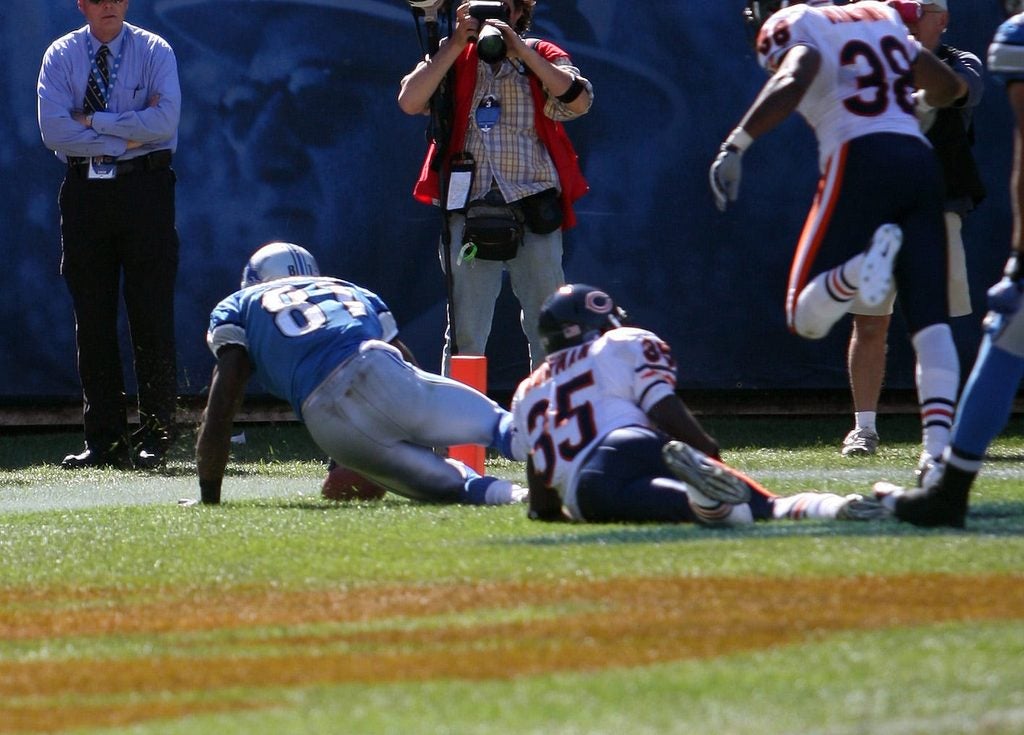
The creation of the “Calvin Johnson Rule”
The fallout didn’t end when the game did. The ruling sparked a massive rules debate across the NFL. Fans, players, and analysts wanted to know how a receiver could secure the ball, touch both feet and his knees, and still not be credited with a catch.
That debate led to the creation of what became known as the “Calvin Johnson Rule.” It strictly defines what constitutes maintaining possession while falling to the ground. For years afterward, the rule served as the reference point every time a receiver hit the turf with the ball in a big moment.
This play forced the league to confront how unclear its catch rules had become. It also pushed officials toward a clearer standard for what a receiver has to do to complete the process of a catch.
The silver lining doesn’t erase what Johnson lost. He had a game-winning touchdown in the season opener taken away on a technicality. It changed the rulebook, it changed how officials judge a catch, and it left one of the league’s legends on the wrong end of a moment that should have been his. – Charles Goldman
7. The Patriots’ dynasty begins with one of the most controversial calls of all-time
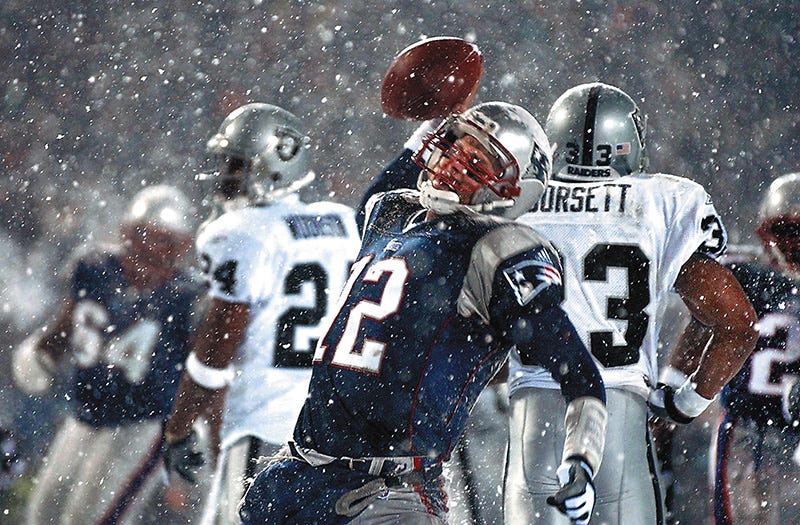
One controversial ruling might have changed the entire course of NFL history. The tuck rule game between the Oakland Raiders and New England Patriots is more than a famous play. It is a hinge point for the league, and it all came down to one snowy January night in 2002.
The Raiders traveled to Foxborough, Massachusetts, to face the Patriots in an AFC Divisional Playoff game. What followed was a sequence that still sparks arguments among Raiders fans more than two decades later. It also gave a young Patriots quarterback named Tom Brady the moment that launched everything that came after.
The play that turned Raiders vs. Patriots into a piece of NFL history
Oakland controlled most of the night. The Raiders led 13-3 entering the fourth quarter, and the conditions weren’t doing an offense any favors. But Brady rallied New England with a touchdown run that cut the deficit to three, and the door was suddenly open.
Then came the play that would become infamous (or famous depending on who you ask): With less than two minutes remaining, Brady dropped back to pass. Raiders cornerback Charles Woodson came flying off the edge and drilled him, knocking the football loose.
Oakland linebacker Greg Biekert recovered it. Game over, or so the Raiders thought, right?
Nope. Referee Walt Coleman reviewed the play and ruled it an incomplete pass. The reason was the tuck rule.
Under the NFL’s rules at the time, if a quarterback began a forward passing motion, the play could be ruled an incomplete pass even if he was bringing the ball back toward his body when he lost possession. So even though Brady appeared to have tucked the football away, the officials reversed the fumble.
Here’s the distinction that tends to get lost in the outrage: As controversial as the decision was, the ruling was consistent with the rule at the time. That’s not much comfort to Raiders fans. But the officials didn’t write the rule. They enforced it, and the rulebook said the play was dead the moment the ball came out. – Kyle Crabbs
6. Giants still carry the scars of one of the NFL’s worst officiating failures, and the league eventually had to admit it
The New York Giants were seconds away from one of the most remarkable playoff wins in franchise history. Instead, a botched snap and a major officiating mistake in the 2002 NFC Wild Card game against the San Francisco 49ers ended their season. It became one of the most infamous postseason finishes in NFL history.
It still stings for Giants fans more than two decades later. San Francisco won 39-38. The day after the game, the league admitted its officials got the final play wrong.
A collapse and a last chance
For most of the game, the Giants were in control. New York built a 38-14 lead late in the third quarter and looked well positioned to advance to the divisional round.
However, 49ers quarterback Jeff Garcia led an extraordinary comeback. San Francisco scored 25 unanswered points and took a 39-38 lead with around one minute remaining in the fourth quarter.
The Giants still had a chance to win. Quarterback Kerry Collins moved the offense into 49ers territory, and New York reached the San Francisco 23-yard line with six seconds left. That set up kicker Matt Bryant for a 41-yard field goal, which would have given the Giants a 41-39 lead.
That attempt never happened. Veteran long snapper Trey Junkin, who had signed with the team earlier that week, delivered a poor snap. Holder Matt Allen was forced to scramble. Allen couldn’t get the ball into position for Bryant, so he threw a desperation pass toward offensive lineman Rich Seubert. Seubert had lined up as an eligible receiver on the play.
The call that ended the game
The officiating problem starts with that pass. San Francisco defensive end Chike Okafor pulled Seubert down before the ball arrived, and the officials should have called defensive pass interference.
Officials threw three flags. Instead of penalizing the 49ers, they ruled that Giants offensive lineman Tam Hopkins had illegally gone downfield. The crew didn’t recognize that Seubert was an eligible receiver, even though the Giants had reported him as eligible to the officials before the play. That ruling ended the game, and San Francisco advanced with the 39-38 win.
The NFL reviewed the play the following day and admitted the officials had made a mistake. Director of officiating Mike Pereira confirmed that Seubert was eligible to catch the pass and that Okafor should have been penalized for DPI.
Hopkins had also committed an ineligible receiver penalty, so the two infractions should have offset each other. The penalties happened on the final play of the game. As a result, the Giants would have received an untimed down to try the field goal again from the original line of scrimmage.
What it cost New York
Nobody can guarantee Bryant would have made the kick. But a 41-yard field goal to win a playoff game was a viable opportunity, and the Giants never got to take it.
Commissioner Paul Tagliabue later described the incident as one of the most embarrassing moments of his tenure. After the game, the league also made procedural changes to help officials keep better track of eligible receivers.
The 49ers didn’t get much further. San Francisco lost 31-6 to the Tampa Bay Buccaneers in the divisional round the following week. For the Giants, that wild card loss remains a painful memory. But more than that, it stands as one of the clearest examples of a single officiating error deciding a postseason game. – Wendell Ferreira
5. Jerry Rice fumble that never was set up The Catch II and left the Packers with one of their most painful playoff losses
The Green Bay Packers appeared to have continued their San Francisco 49ers’ postseason dominance in the late 1990s. Instead, a missed fumble call on Jerry Rice turned one of the most memorable playoff games of the decade into one of the most controversial, and it set up the play known as The Catch II after the 1998 season.
The missed Jerry Rice fumble belongs near the top of the list for Green Bay because of what it cost a team coming off two consecutive Super Bowl appearances.
A familiar playoff matchup
After the 1998 NFL season, the Packers visited the 49ers in the NFC Wild Card game. At that point, Green Bay had beaten San Francisco in three consecutive playoff meetings, and the two teams were once again fighting for a place in the divisional round.
With less than a minute remaining, the Packers led 27-23. San Francisco needed to score on the final drive, and quarterback Steve Young had the ball near midfield.
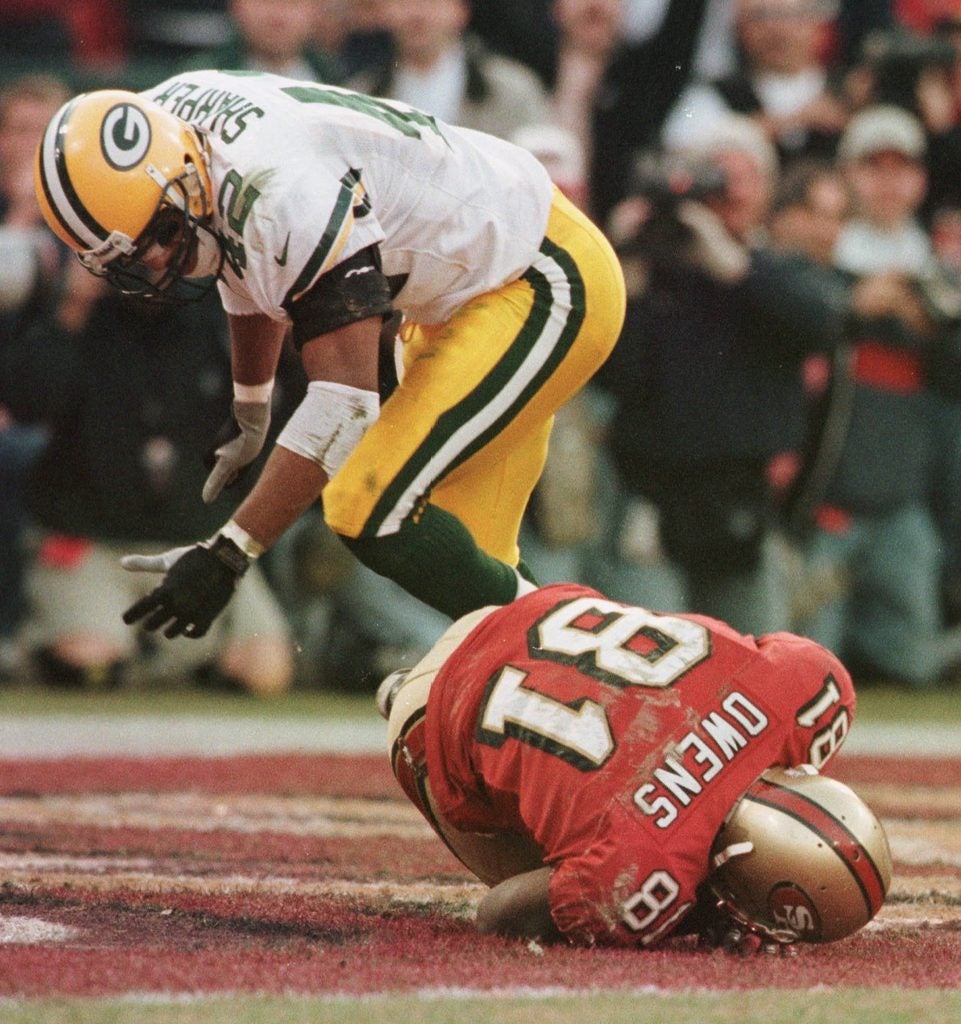
Young hit Rice on a short pass. As the future Hall of Fame receiver tried to turn upfield, Packers linebacker Bernardo Harris and defensive back Scott McGarrahan converged on him. Harris knocked the football loose before Rice’s knee touched the ground.
Green Bay recovered the fumble, and the players immediately started celebrating what looked like the game-ending turnover.
The call that stood
The officials ruled Rice down by contact. Line judge Jeff Bergman made the initial call, and field judge Kevin Mack did not overturn it even though he had a better view of the play.
Television replays clearly showed at the time that Rice had lost possession before going down. Nonetheless, the NFL did not have an instant replay system in place to review the decision, so the Packers had no way to challenge the ruling.
The 49ers kept the football. Four plays later, Young fired a pass between Green Bay defenders to wide receiver Terrell Owens for a 25-yard touchdown with just three seconds left. That score gave San Francisco a 30-27 victory and a trip to the divisional round. The 49ers didn’t last much longer, as they lost the following week to the Atlanta Falcons 20-18.
The Owens touchdown became known as The Catch II, a reference to Dwight Clark’s iconic touchdown against the Dallas Cowboys in the 1981 NFC Championship Game. Clark’s grab launched a dynasty in San Francisco, and Owens’ catch became another signature moment for the franchise.
For Green Bay, though, the name never captured the full story. The controversy over the missed fumble became part of the discussions surrounding the NFL’s return to instant replay in 1999. The league brought back a review system one season later, too late to help the Packers.
As expected, Packers general manager Ron Wolf and head coach Mike Holmgren were furious with the decision. Holmgren said the call should have been reversed.
A painful reminder for Green Bay
The Packers did plenty of things right in that game, including the most important one: forcing a turnover on the final drive. They did it the hard way, with Harris punching the ball out of the hands of one of the best players in league history. The officiating crew simply didn’t see it, and the rules of the time gave Green Bay no path to fix it.
For the Packers, the loss was a painful reminder of how officiating mistakes can determine the outcome of a season. That’s exactly what happened in 1998, when a team built to compete for another title saw its run end on a play that never should have continued. – Wendell Ferreira
4. The flag Dallas Cowboys fans don’t talk about
The setting was the NFC wild card game Jan. 4, 2015, and the Detroit Lions were up on the Dallas Cowboys with under 10 minutes to play.
With about 8:25 left in the fourth quarter, Lions quarterback Matthew Stafford threw a pass to tight end Brandon Pettigrew on third-and-1. Cowboys linebacker Anthony Hitchens made contact without turning to the ball, and an official threw a flag for pass interference.
Here’s where it gets outrageous: The officials didn’t just throw the flag. They announced it. You know, on the speakers. Then, after a discussion, they picked it up, and no penalty was enforced. No explanation followed, either.
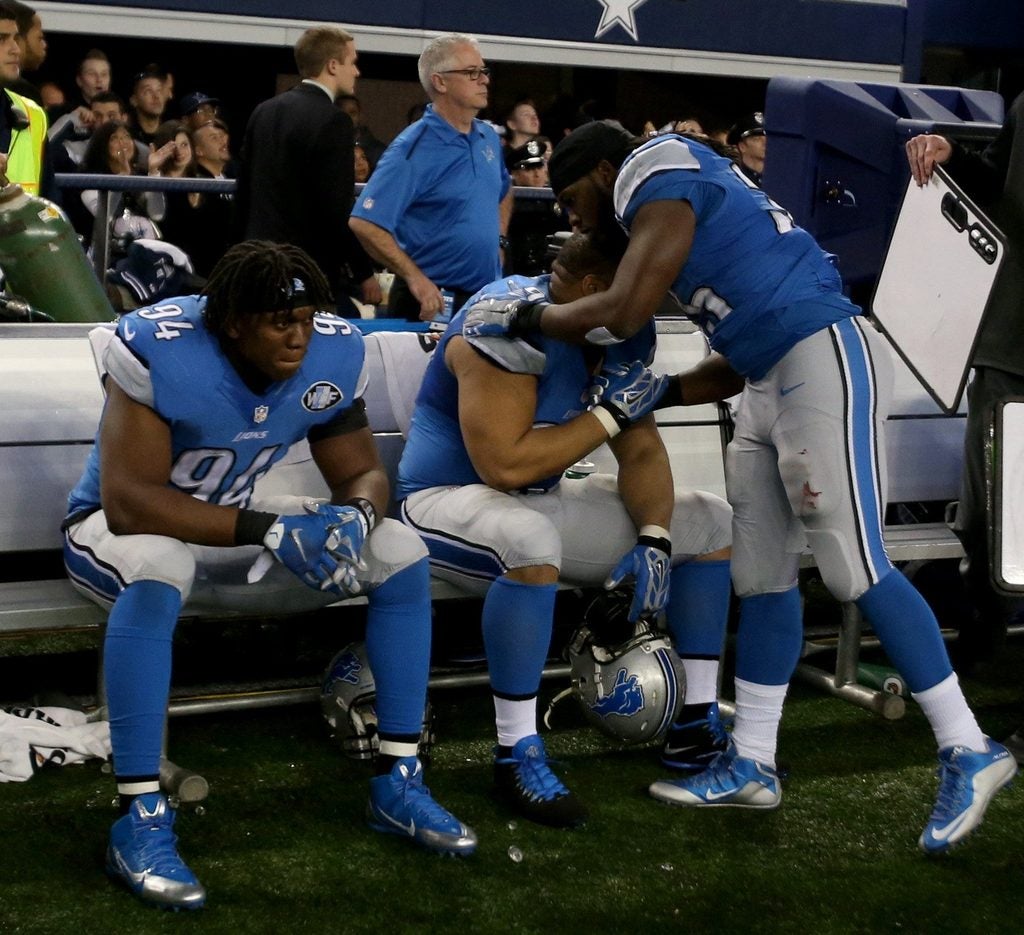
Detroit had to punt since the flag wasn’t enforced.
The Cowboys then put together a go-ahead drive that became the game-winning drive. The NFL later admitted the flag should have stood as defensive holding. The craziest part is that the officials called it and announced it before reversing course. You can see the confusion in a mic’d-up video of Stafford from the NFL.
And I’m sure there are still plenty of Lions fans that are still confused to this day. – Mauricio Rodriguez
3. Seahawks’ first Super Bowl appearance produced one of the NFL’s biggest officiating controversies and a rare admission
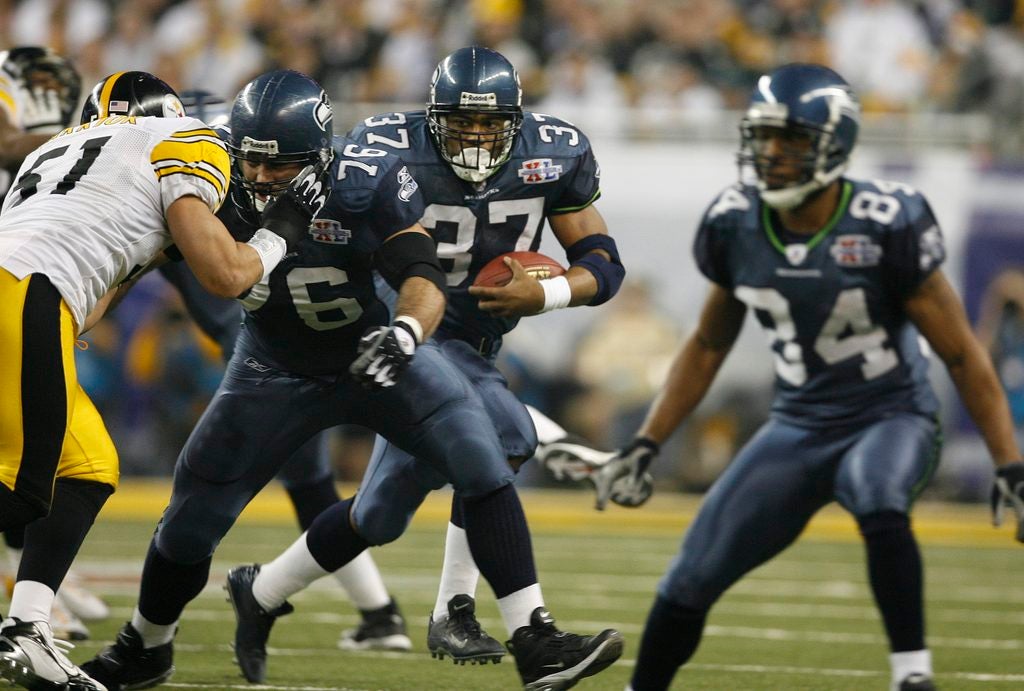
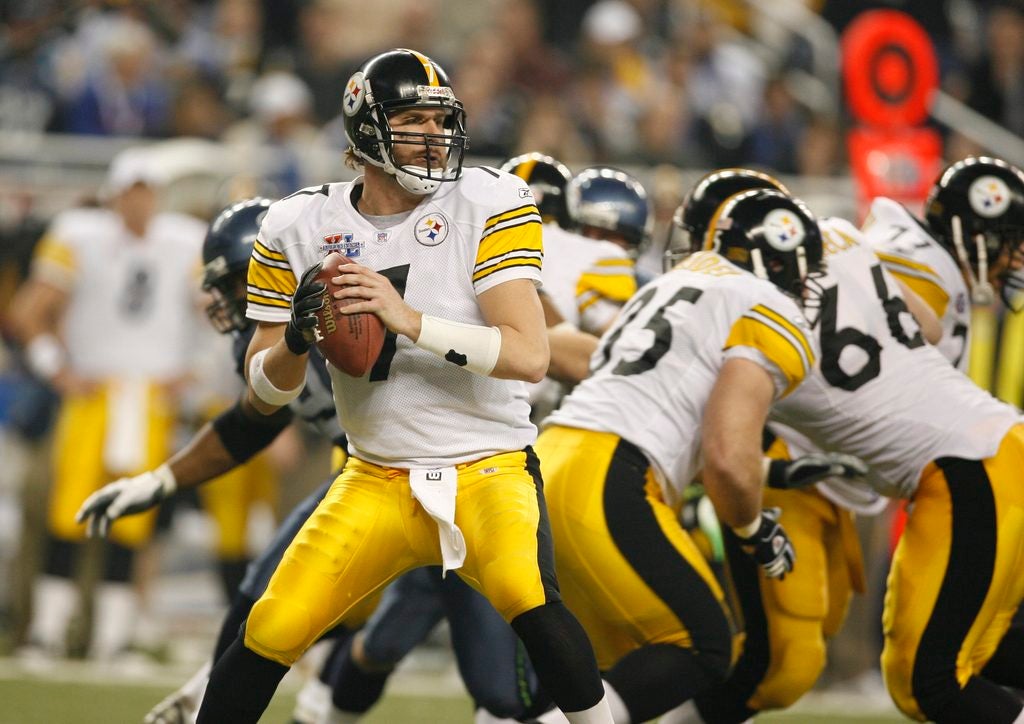
After the 2005 season, the Seattle Seahawks lost to the Pittsburgh Steelers 21-10 in Super Bowl XL in what was supposed to be a crowning achievement for the franchise. Instead, Seattle’s first Super Bowl appearance became associated with a controversial officiating performance that generated debate for years after the game.
It’s hard to say the Seahawks lost only because of the officiating. But the game featured several questionable decisions by the officiating crew, and essentially all of them went against Seattle.
A historic season for Seattle
A few years earlier, the Seahawks had moved from the AFC to the NFC, and they put together a fantastic season under head coach Mike Holmgren. Seattle went 13-3 in the regular season and earned the top seed in the NFC.
At the time, the Seahawks had one of the most productive offenses in the NFL. Quarterback Matt Hasselbeck led the unit alongside running back Shaun Alexander, the league’s reigning MVP. In the playoffs, Seattle beat Washington and then the Carolina Panthers in the NFC Championship Game.
The Steelers took a much harder path. Pittsburgh reached the Super Bowl as the sixth seed in the AFC after winning three consecutive road playoff games against the Cincinnati Bengals, Indianapolis Colts, and Denver Broncos.
The calls that defined the game
Several officiating decisions became major talking points. One of the most controversial came late in the second quarter, when officials upheld Ben Roethlisberger’s one-yard touchdown run after a replay review. Seattle believed the Steelers’ second-year quarterback had been stopped short of the goal line. However, the replay did not provide conclusive evidence to overturn the original ruling.
The most damaging controversy for Seattle came in the fourth quarter, though. Trailing 14-10, the Seahawks had an opportunity to take the lead, since a touchdown would have erased the four-point deficit. Hasselbeck completed a pass to tight end Jerramy Stevens that put the offense near the Pittsburgh one-yard line.
Officials instead called offensive holding on tackle Sean Locklear, nullifying the gain and pushing Seattle backward. The Seahawks never recovered that scoring opportunity. Hasselbeck threw an interception, and he was then penalized for an illegal low block while attempting to tackle Steelers defender Ike Taylor during the return.
That flag compounded the damage. Pittsburgh got the ball in good field position and capitalized by scoring the game’s final touchdown four plays later.
A referee’s regret
The controversy had more chapters in the following years. In 2010, referee Bill Leavy acknowledged that he had made two mistakes in the fourth quarter and that his decisions affected the outcome.
“I kicked two calls in the fourth quarter and I impacted the game,” Leavy said.
Leavy later admitted the controversy caused him sleepless nights, and he added that he would regret his performance for the rest of his life.
That admission did not change the result, though. For Seattle, Super Bowl XL was an opportunity the franchise was never going to get back. The Seahawks have since won two Super Bowls, after the 2013 and 2025 seasons, but neither title erases what happened in their first trip to the big game. – Wendell Ferreira
2. Replacement refs force the NFL’s hand by making one of the worst calls in league history
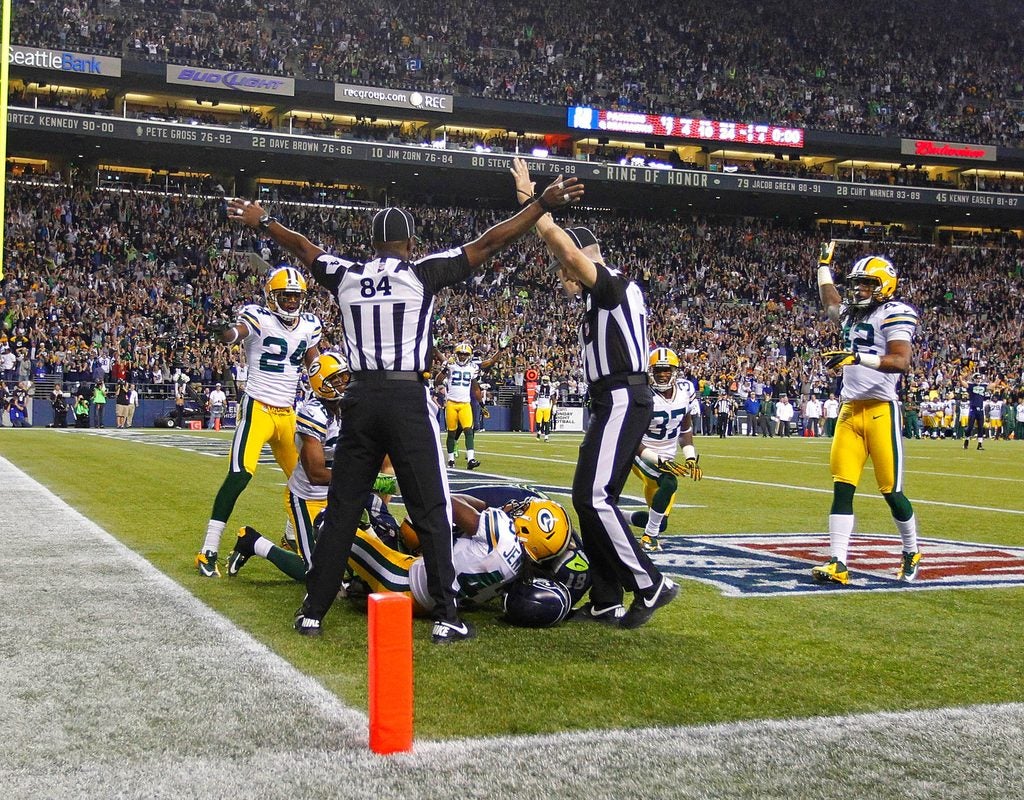
What happens when a group of replacement referees makes one of the most controversial calls in NFL history? We found out in 2012, when the Green Bay Packers and Seattle Seahawks met on Monday Night Football and the Fail Mary was born.
The context matters here. The NFL was in the middle of a labor dispute with its regular officials, which left replacement referees to call the first three weeks of the season. Questionable calls had been piling up throughout those weeks. But on that Monday night, things reached a breaking point. And the ending of Packers-Seahawks became the moment nobody could explain away.
The Fail Mary: How one play went wrong in every possible way
Green Bay led Seattle 12-7 with just eight seconds remaining. The Seahawks faced fourth-and-10 from the Packers’ 24-yard line, which meant they had one realistic shot left.
Rookie quarterback Russell Wilson launched a desperation Hail Mary into the end zone. Waiting underneath were Seahawks wide receiver Golden Tate and Packers safety M.D. Jennings, and both players went up for the football.
Here’s where everything went wrong. Before the ball even arrived, Tate shoved Packers cornerback Sam Shields to the ground. There was no flag for offensive pass interference. Then Jennings appeared to secure the interception. Tate fought for possession as the two crashed to the turf, and somehow, two officials standing near the play gave different signals. One signaled touchdown. The other signaled to stop the clock.
Think about that for a second. On the final play of a nationally televised game, the two people with the best view of the ball couldn’t agree on what they saw. After reviewing the play, the touchdown stood. Seattle won 14-12.
The NFL’s response only added fuel to the fire
The league didn’t stay quiet. The NFL later acknowledged that Tate should have been flagged for offensive pass interference, which would have ended the game and handed Green Bay the win.
That being said, the league also maintained there wasn’t indisputable evidence to overturn the simultaneous-catch ruling. Oops.
And sure enough, the NFL came to an agreement with the actual refs about two days after the infamous call. – Kyle Crabbs
1. One of the worst calls of all-time cost the Saints their second trip to the Super Bowl
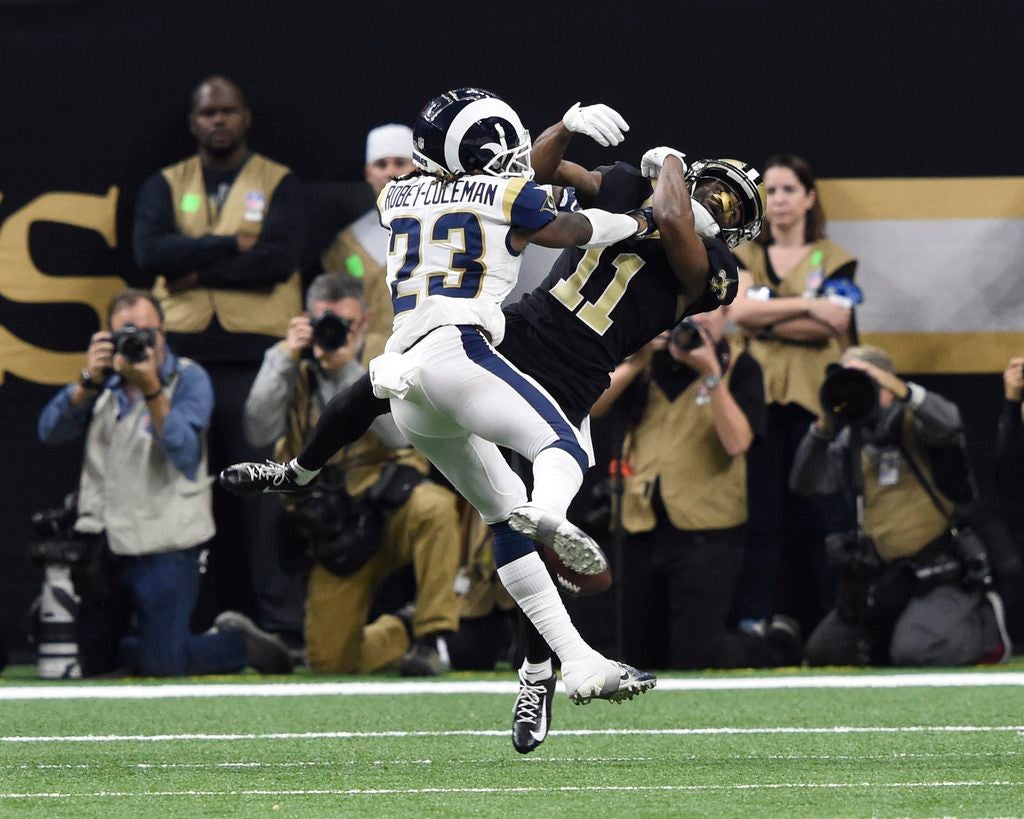
No football fan can argue that the Los Angeles Rams didn’t commit pass interference against the New Orleans Saints in the NFC Championship Game in January 2019.
New Orleans led 20-17 with 1:49 left on the clock. On third-and-10, Saints quarterback Drew Brees threw a pass to wide receiver Tommylee Lewis, and Rams nickel cornerback Nickell Robey-Coleman hit him well before the football arrived.
It was so obvious that everyone expected a flag to fly. There was no way the officials missed. They did.
The NFL acknowledged the miss. Even Robey-Coleman has admitted that he committed the interference. That no-call kept the Saints out of the Super Bowl, sent the Rams there instead, and cost Brees a chance at a second ring.
It’s the biggest blunder in officiating history when considering the stakes. – Mauricio Rodriguez