
Packers are about to get the exact offensive boost they need, and it could transform their offensive identity
Green Bay has won three straight, but one unit has held the offense back all season, and the fix arrives on Monday.


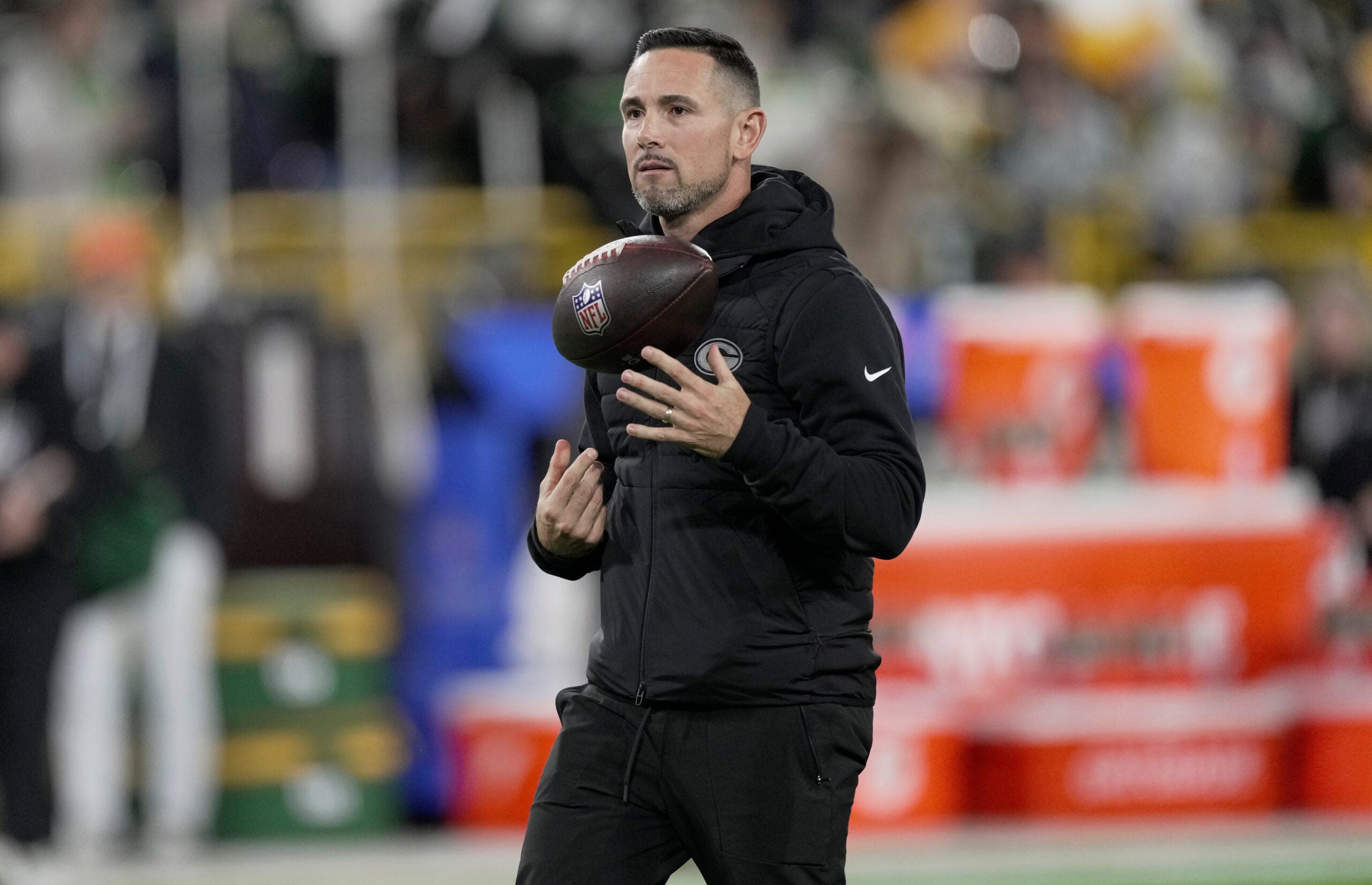
The Green Bay Packers are in a much better place than they were three weeks ago. Green Bay beat the Dallas Cowboys 23-13 on “Sunday Night Football” for its third consecutive win, improving to 4-2 in the season. Still, one area of the offense needs to improve, and the Packers are well aware of it: the running game.
“We’ve got to find a way to get this run game going because it’s just too inconsistent,” head coach Matt LaFleur admitted after the game. “You’re in second-and-long quite a bit when you’re running on first down.”
Help is on the way, though. Running back Josh Jacobs returns from the Commissioner’s Exempt List on Monday, and he will be available for next week’s NFC North matchup against the Detroit Lions. For an offense built around the ground game, his return comes at the right time.
“I have a lot of confidence in him,” LaFleur added. “He can definitely provide a spark.”
Running back production has been the problem
Sunday’s win over Dallas followed a familiar pattern. Pierre Strong Jr. led the Packers in rushing with 11 carries for 28 yards, only 2.5 yards per carry. MarShawn Lloyd was even worse, with eight carries for 10 yards, which works out to 1.2 yards per carry. Kaleb Johnson had one carry for a loss of two yards.
The most efficient rusher on the night was wide receiver Savion Williams, who had two carries for nine yards. Williams provided a spark, but a receiver can’t be the answer for a team that wants to run the ball.
“There’s certainly some stuff we can clean up, whether it’s not winning a block or missing a cut,” LaFleur explained. “But we’ve got to keep hammering it because I think it’s critical in today’s football to be able to run the ball at a decent level. It’s just harder on the passing game when you’re totally reliant on it. We’ll keep working at it.”
The season-long numbers tell the same story. Green Bay ranks 20th in run block win rate via ESPN, which is below average but not a disaster. The rushing results are far worse. The Packers rank 32nd in rush EPA and 28th in rush success rate.
“I know there are things we can do better from a coaching standpoint in terms of zeroing in on exactly what we want to do, but there are also things we need to improve from an execution standpoint,” LaFleur stressed.
That gap points to the running backs more than the blocking. The backs haven’t produced explosive plays, and they haven’t delivered consistency on a down-by-down basis either. A player like Jacobs, who can reliably pick up those steady yards, would address both issues at once.
The structure of Green Bay’s offense under LaFleur relies on a run-centric approach. In his philosophy, an efficient running game is what sets up the passing game. Once the ground attack gets back on track, the Packers believe the whole offense can operate at a higher level.
Jacobs should be ready to contribute from the start
Jacobs spent six weeks on the Commissioner’s Exempt List. During that stretch, he couldn’t practice or play with the team. However, the league allowed him to be at the team’s facility, where he took part in meetings and worked out individually.
Jacobs already understands the offensive scheme, and he will have three practices with the team before the Lions game. The expectation is that he can step back in right away as the starter and be productive from his first snap rather than easing into the rotation.
Green Bay doesn’t have much room for a slow ramp-up. Detroit is a key division opponent, and the NFC North standings make every head-to-head game count. The Packers have found ways to win without a functional running game, but their offense was never designed to work that way. With Jacobs back, LaFleur gets the piece his system depends on. If the run game finally produces, the rest of the offense should follow.
